
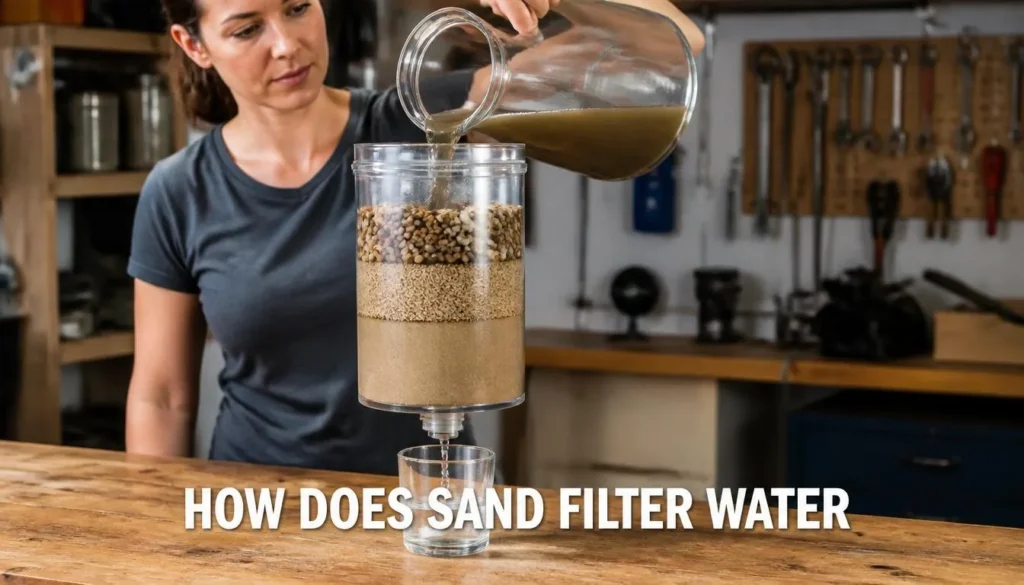
Sand cleans water by straining particles out in the tiny gaps between its grains. In a slow sand filter, a thin living layer on top also eats many germs before they reach the bottom. The water that comes out is clearer and cleaner, but it is not always safe to drink. This guide covers drinking and household water, not swimming pools.
By the end, you will know how each layer works, which germs sand misses, and when a home sand filter makes sense. You will also see how the plants that treat city water use the same idea on a much larger scale.
Key Takeaways
- Sand strains out particles, and in slow filters a living layer on top also eats germs.
- Slow sand, rapid sand, and biosand filters work differently, but all three need regular cleaning to keep flowing.
- Sand clears cloudy water well, but viruses and dissolved chemicals can pass through it.
- A homemade sand and rock filter makes water look clear, not safe. Boil or disinfect the result.
How Does Sand Filter Water, Step by Step?
Sand works like a deep, crooked sieve (a screen that holds back what is too big to pass). Dirty water moves down through packed grains, and each grain gives particles and germs a place to get stuck.
Here is what happens to the water as it moves through the bed:
- Water settles on top: It spreads over the sand surface and moves down by gravity.
- Large particles stop first: Grains block silt, rust flakes, and other solids too big to fit through the gaps.
- Smaller particles stick: Fine particles brush against the grains and cling to them, a process called adsorption (sticking to a surface).
- A living layer eats germs: In a slow sand filter, a film of microbes forms on top. It is called the schmutzdecke (a German word that means dirt layer), and it feeds on bacteria and other tiny organisms.
- Clear water drains out: Gravel at the base holds the sand up and lets the filtered water flow away.
A 2024 study in Water Research linked the makeup of the schmutzdecke to how well small slow sand filters performed. That fits the common experience that a new filter needs time to ripen (build up its living layer) before it works at its best. It is also how sand helps filter water with only gravity, grain size, and time. Our guide to how a water filter works covers other filter types.
The Sand Filtration Process in Water Treatment: Three Main Types
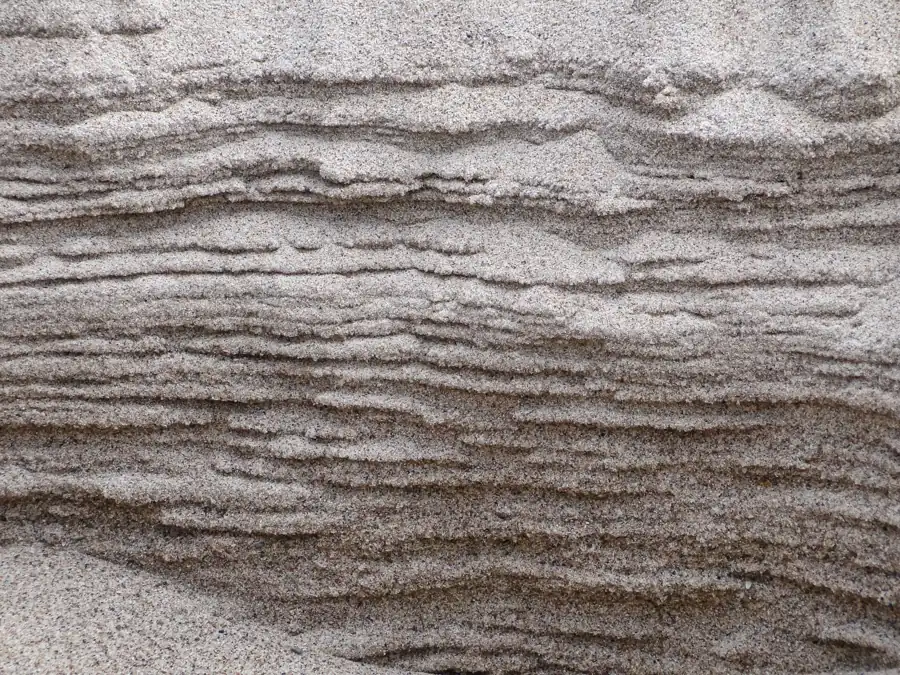
A sand filter is a tank or container of graded sand (sand sorted by grain size) that cleans water as it flows through. Three versions matter for drinking water, and each one handles the job in its own way. Pool filters also use sand, but they are built for pool water and fall outside this guide.
Slow sand filters pass water through a deep bed at a gentle pace, which gives the living layer time to grow. They suit small towns and villages. Biosand filters shrink the same idea into a container that a single household can use.
Rapid sand filters push water through much faster. City plants usually add a coagulant (a chemical that clumps tiny particles into larger ones) before the sand. They then clean the bed by backwashing (running clean water upward to flush out trapped dirt).
The table below compares the three types side by side:
| Type | Flow speed | Where used | How cleaned |
| Slow sand | Gentle | Towns and villages | Scrape top layer |
| Rapid sand | Fast | City treatment plants | Backwash with water |
| Biosand | Slow, by gravity | Single households | Stir top layer |
What Sand Removes and What Slips Through
Sand is best at removing cloudiness, which water experts call turbidity (how cloudy water looks because of tiny floating particles). Plants measure it in NTU (a unit that tracks cloudiness).
Under the EPA’s surface water treatment rules, plants that use conventional or direct filtration must meet 0.3 NTU in at least 95 percent of monthly measurements. They must never exceed 1 NTU. Slow sand plants generally must meet 1 NTU in at least 95 percent of monthly measurements, with limited state-approved exceptions. Their absolute ceiling is 5 NTU.
Germs are harder to catch. A long-term field study of biosand filters in Haiti found about 1.1 log10 bacterial removal, or roughly 92 percent. Each log is a tenfold cut, so 1 log means 90 percent gone. In that study, three filters even put out water with more E. coli than went in.
Viruses are smaller than bacteria and slip past more easily. In a bench-scale study, virus reductions in biosand filters were modest. They did not reach the 3-log or 5-log targets set by the World Health Organization.
In short, a typical sand bed does this:
- Removes well: silt, rust, grit, and the cloudiness they cause.
- Reduces some: bacteria, with results that depend on filter design and care. Ripening improves removal in slow sand and biosand filters.
- Does not reliably remove: viruses or dissolved chemicals. Virus removal varies because attachment and biological processes matter as well as particle size.
How Does Sand Filter Water at Home With Rocks and Gravel?
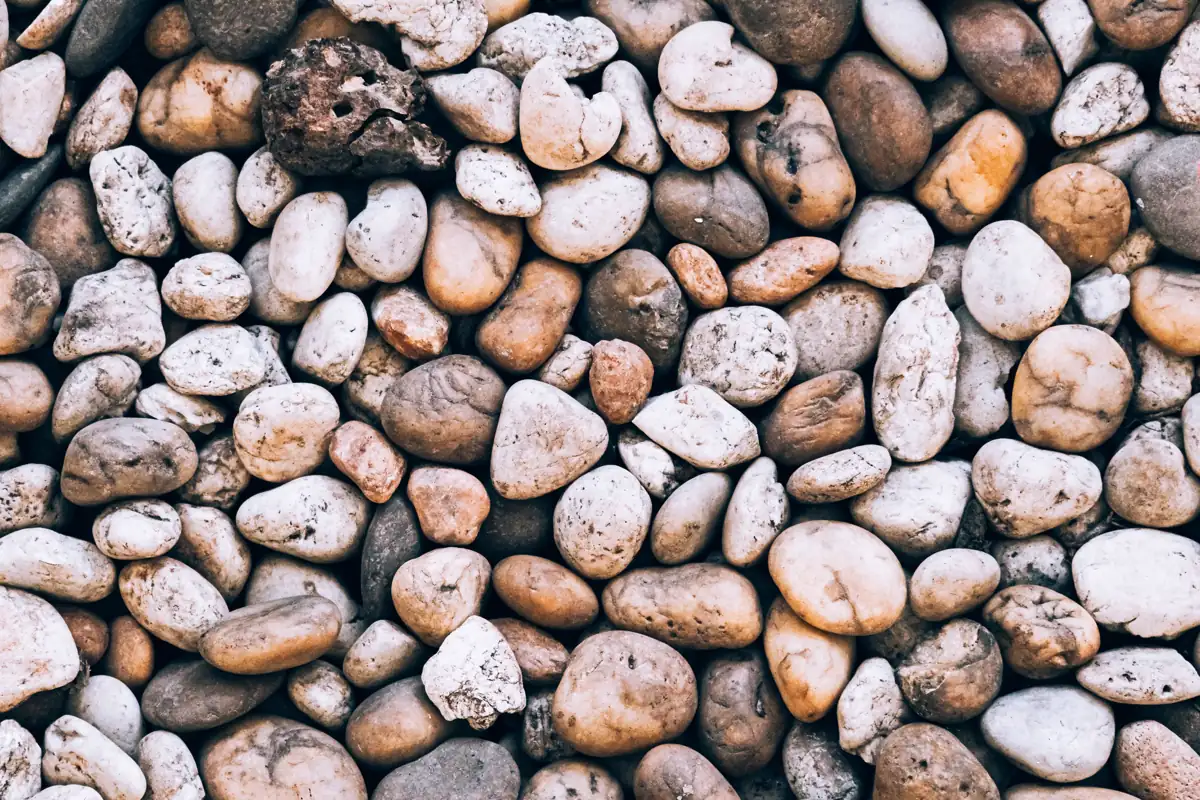
A simple home version stacks layers in a container: coarse gravel at the bottom, finer gravel above it, then clean sand on top. Water poured in at the top trickles down and leaves the largest debris near the top.
The gravel gives support and drainage. The finer gravel keeps sand out of the coarse drainage layer, which lets filtered water reach the outlet. Biosand designs add a diffuser plate (a plate with small holes that spreads the incoming water so it does not dig a hole in the sand). They also keep a shallow pool of water standing on the sand to feed the living layer.
Making a biosand filter takes a food-safe container, an outlet pipe, washed gravel, and carefully sized sand. Sand that is too coarse lets particles through, and sand that is too fine clogs fast. Follow a tested design rather than guessing.
Treat what comes out as clear, not safe. The Haiti field study found that home sand filters can pass bacteria, so use an appropriate disinfection step for microbial contamination. Boiling and disinfection do not remove harmful chemicals. The CDC advises using another water source if fuel or toxic chemical contamination is known or suspected.
Sand Filter for Home Use: Whole-House Tanks and Small Units
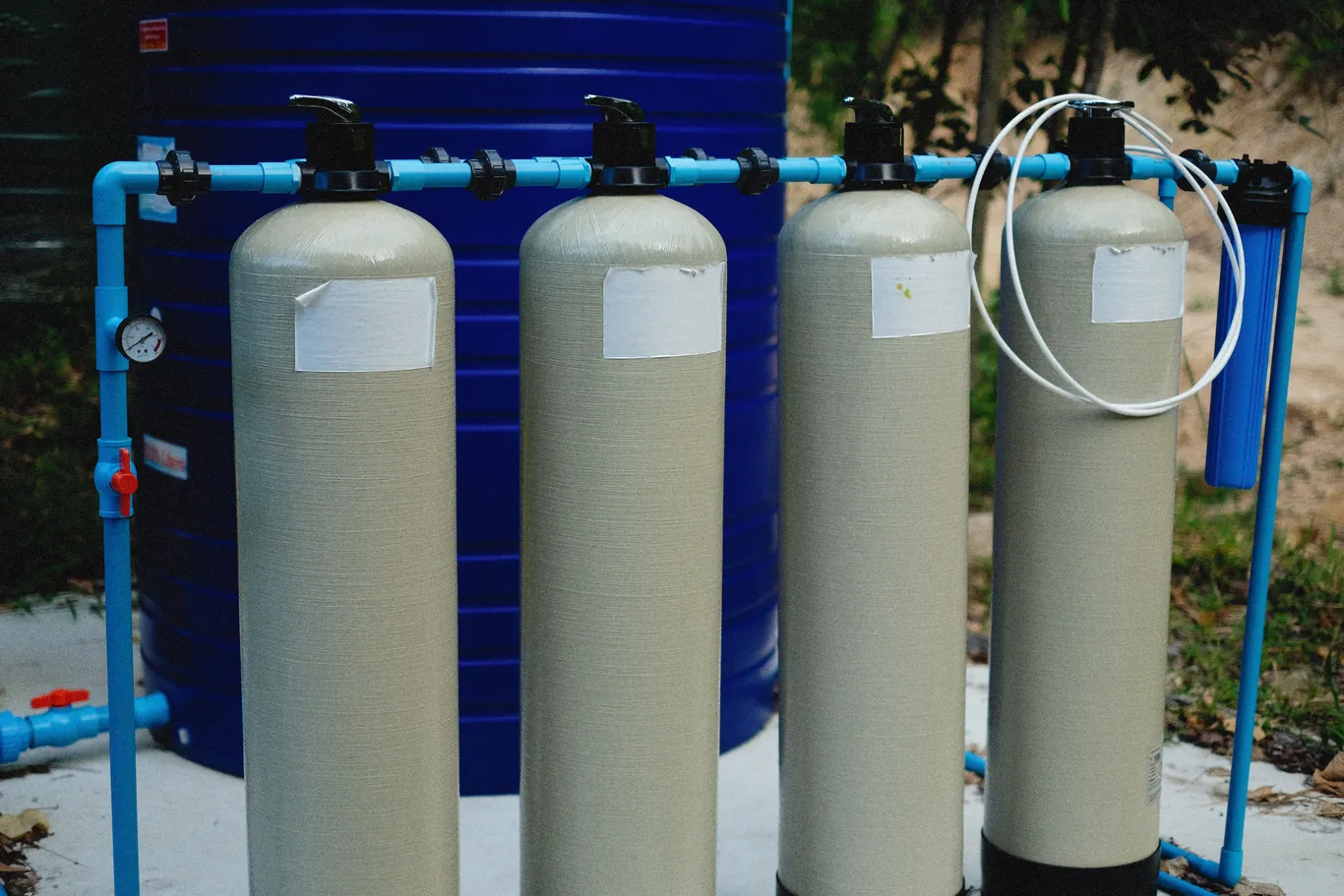
In a modern house, a sand filter for home use usually means a whole-house tank or a small gravity unit on a counter. A whole-house tank holds sand or similar media (the material that does the filtering) and treats water where it enters the house.
Both do the same job as the larger beds. They hold back sediment (sand, silt, and rust) so taps, appliances, and later filters stay cleaner. They help most with well water and older pipes that carry grit.
A whole-house tank works like a small rapid sand filter. Water flows down through the bed, and many models have a valve that backwashes the media so it does not clog. These tanks do not treat dissolved chemicals or reliably stop viruses.
For chemical concerns, choose a filter certified to reduce the specific contaminant found in your water. The CDC notes that most home carbon filters are not designed to remove germs, so virus concerns need a suitable germ-killing step. Some also add reverse osmosis (RO, a filter that pushes water through a screen so fine almost nothing but water molecules gets through) at the kitchen tap.
Keeping a Sand Filter Working: Scraping, Backwashing, and Ripening
Every sand bed clogs over time, so each type has its own cleaning method. A slow sand filter gets its top layer scraped off. The living layer then needs time to regrow, so water from the first runs after a cleaning is usually the least reliable.
A settling step or pre-filter helps any sand bed last longer. If muddy water goes straight in, the top of the bed clogs fast and needs cleaning more often.
Rapid sand filters are backwashed. Clean water runs upward through the bed, which lifts the grains and flushes out the trapped dirt.
Most biosand designs are cleaned by stirring the top layer gently and removing the dirty water. Keep the water level above the sand, because a dry bed can kill the living layer. Slower flow is the sign that a filter needs cleaning.
How We Research
We check every claim against primary sources. Federal agencies like the EPA and CDC come first. Certification bodies like NSF and AHAM come next. We verify each standard number against the issuing body. We review this guide on a set schedule.
Why Trust This Guide
Puritisimo covers only water and air quality. Our guidance is editorial and independent. We cite every health figure so you can check it. We never present a promotional claim as fact.
Putting Sand Filtration to Work in Your Home
Sand is a simple, proven way to clear cloudy water. Grains strain out particles, and in slow filters a living layer eats many germs. That makes sand a strong first stage, but rarely the only stage. For drinking water, treat sand as the step that removes dirt. Then add disinfection, carbon filtering, or reverse osmosis when germs or chemicals are a concern.
If you build a filter at home, keep it clean, keep the sand wet, and disinfect what comes out. Large water plants follow strict cloudiness limits for the same reason. Knowing how sand filters water, and where it stops, helps you pick the right next step.
Frequently Asked Questions
How does sand filter water in a home filter?
How sand filters water comes down to two jobs: straining particles out between packed grains and, in slow filters, a thin living layer that eats many bacteria. The result is clearer water, but it still needs boiling or disinfection before you drink it.
How does sand help purify water?
Sand helps by catching dirt, rust, and other particles in the gaps between its grains. In slow filters, microbes on the surface also feed on germs. Sand alone does not make water safe, so most systems add a disinfection step after filtering.
How do the Amish purify water?
There is no single Amish method, and practices vary from one community to the next. What works for any household is the same: filter the water to remove dirt, then boil or disinfect it to deal with germs. Sand and gravel filters can handle the first step.
How does gravel help filter water?
In a downflow filter, gravel sits below the sand and supports it while filtered water drains toward the outlet. Finer gravel keeps sand from entering the coarse drainage layer. It does not catch incoming debris before that debris reaches the sand, and it strains out little alone.
What is the purpose of a sand filter in water treatment?
A sand filter removes cloudiness and solid particles so later steps work better. Clear water is easier to disinfect, so treatment plants filter first and disinfect after. The sand bed is a cleanup step, not the whole treatment.
References
- EPA. Guidance Manual for Compliance with the Surface Water Treatment Rules: Turbidity Provisions. EPA 815-R-20-004. 2020.
- PubMed. Bai X, Samari-Kermani M, Schijven J, Raoof A, Dinkla IJT, Muyzer G. Enhancing slow sand filtration for safe drinking water production: interdisciplinary insights into Schmutzdecke characteristics and filtration performance in mini-scale filters. Water Research. 2024.
- PubMed Central. Sisson AJ, Wampler PJ, Rediske RR, McNair JN, Frobish DJ. Long-term field performance of biosand filters in the Artibonite Valley, Haiti. Am J Trop Med Hyg. 2013.
- PubMed Central. Elliott M, Stauber CE, DiGiano FA, de Aceituno AF, Sobsey MD. Investigation of E. coli and virus reductions using replicate, bench-scale biosand filter columns and two filter media. Int J Environ Res Public Health. 2015.
- CDC. About Choosing Home Water Filters. Centers for Disease Control and Prevention. 2024.
- CDC. How to Make Water Safe in an Emergency. Centers for Disease Control and Prevention. 2024.
Medical Disclaimer: This content is for informational purposes only. It is not a substitute for professional medical advice, diagnosis, or treatment. If you have concerns about your water quality or air quality and their effects on your health, consult a qualified healthcare professional.

