
Breathe Easier. Drink Safer. Live Better at Home.
We’re dedicated to improving indoor air and water quality with science-backed guidance, honest recommendations, and practical tips. We cut through the noise so you can create a healthier home environment.
Welcome to Puritisimo, where our mission is to help you breathe easier and drink safer at home. We’re a team of folksy experts - think of us as your friendly neighborhood specialists - dedicated to improving indoor air and water quality. Here you’ll find science-backed guidance, honest recommendations, and practical tips to create a healthier home environment. We know how overwhelming it can be with so many products and promises out there. At Puritisimo, we cut through the noise with clear advice grounded in expertise and real solutions that work.
Indoor air and water might seem invisible when they’re clean, but the truth is they can hide some unwelcome surprises. In fact, studies show that the air inside our homes can be more seriously polluted than outdoor air, even in big cities - and Americans spend about 90% of our time indoors. Meanwhile, tap water that looks crystal-clear can carry contaminants like chlorine, lead, or “forever chemicals” that we’d rather not ingest. The good news? You have the power to improve your home’s air and water quality, and Puritisimo is here to guide you every step of the way.
The Hidden Pollution in Your Home
We all want our homes to be a safe haven. But from microscopic smoke particles to dissolved minerals in water, there are pollutants we can’t always see or smell. Indoor air pollution can come from everyday activities - cooking, cleaning, even breathing - as well as outdoor pollutants sneaking in. And water quality issues can stem from the very systems meant to keep water safe (like chlorine disinfection) or from aging pipes and environmental contaminants.
Why does it matter? Poor indoor air quality can lead to allergies, asthma flare-ups, headaches, or worse. Over time, exposure to things like airborne particles or chemical fumes can affect our lungs and overall health. And water contaminants, even at low levels, may pose health risks or simply make your water taste and smell bad. Young children, the elderly, and those with sensitivities are especially vulnerable to these hidden hazards. Simply put, clean air and water aren’t luxuries - they’re essential for a healthy life at home.
The encouraging part is that small changes make a big difference. By understanding the common problems and using the right solutions, you can significantly reduce pollutants in your home. Puritisimo is built on the principle of empowering homeowners with knowledge and tools. We stay up-to-date with guidelines from authorities like the Environmental Protection Agency (EPA) and Centers for Disease Control and Prevention (CDC), so you’ll see their expert advice woven throughout our tips (we’ll cite their guidance so you know it’s credible). Ready to roll up your sleeves and create a cleaner, healthier home? Let’s start with the air around you.

Our Best Water and Air Filters Guides
Best Air Filters for Home
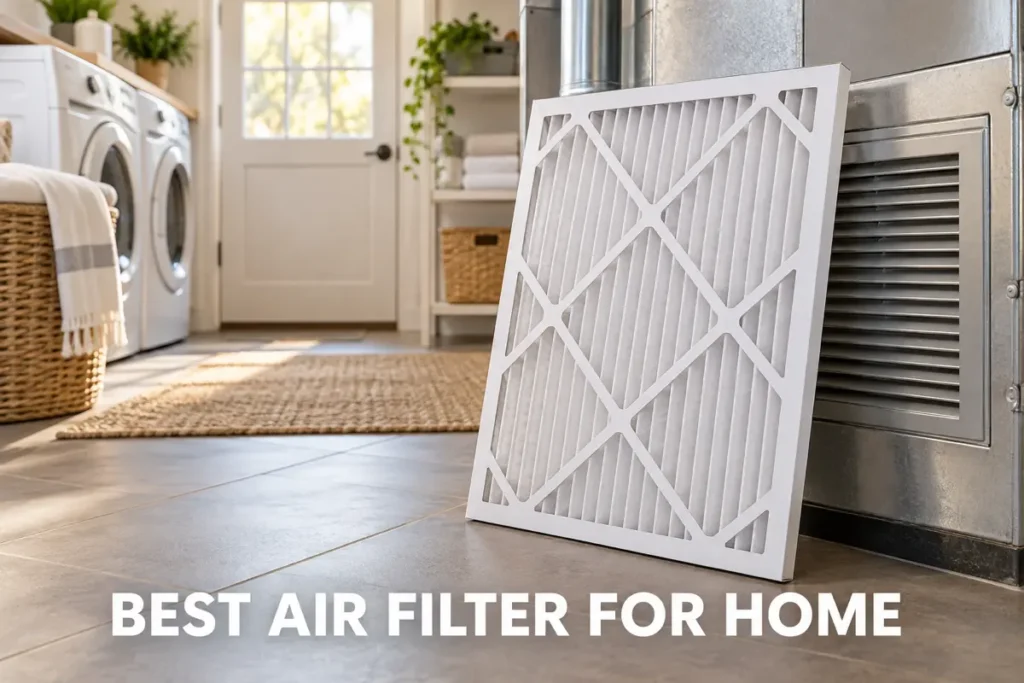
Pleated HVAC filters ranked for MERV rating, sizing, and replacement cost across all major home systems.
View guide →Best Air Filters for Pet Owners
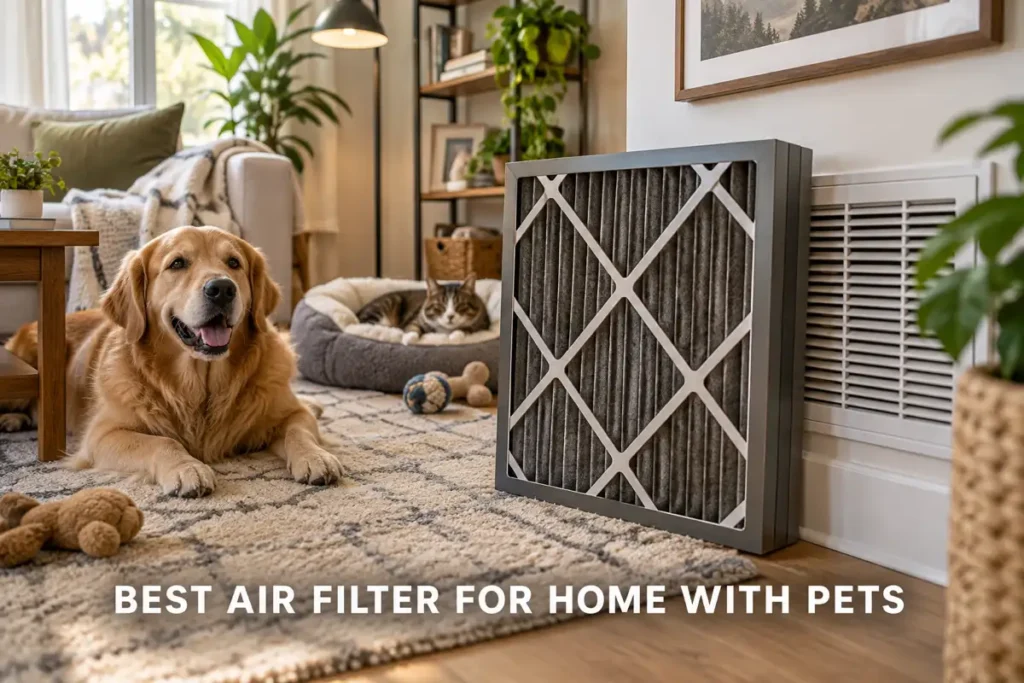
Filters that capture pet dander, hair, and odors before they settle on furniture or trigger allergy symptoms.
View guide →Best Air Purifiers
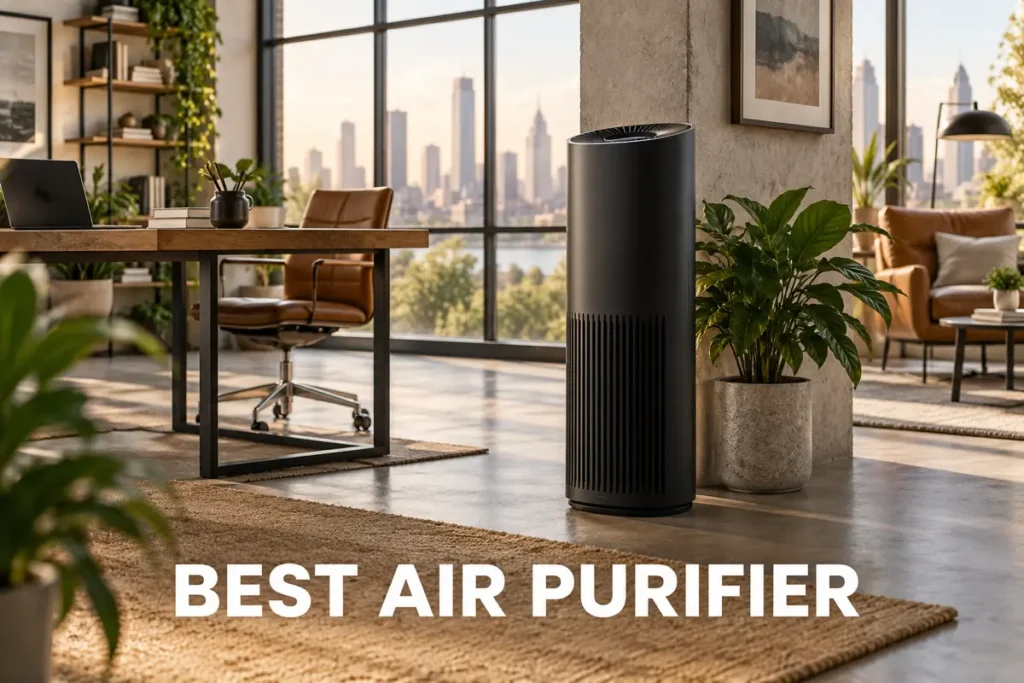
Top-performing HEPA purifiers for homes, allergies, and large rooms, tested for actual particle removal.
View guide →Best Air Purifiers for Allergies
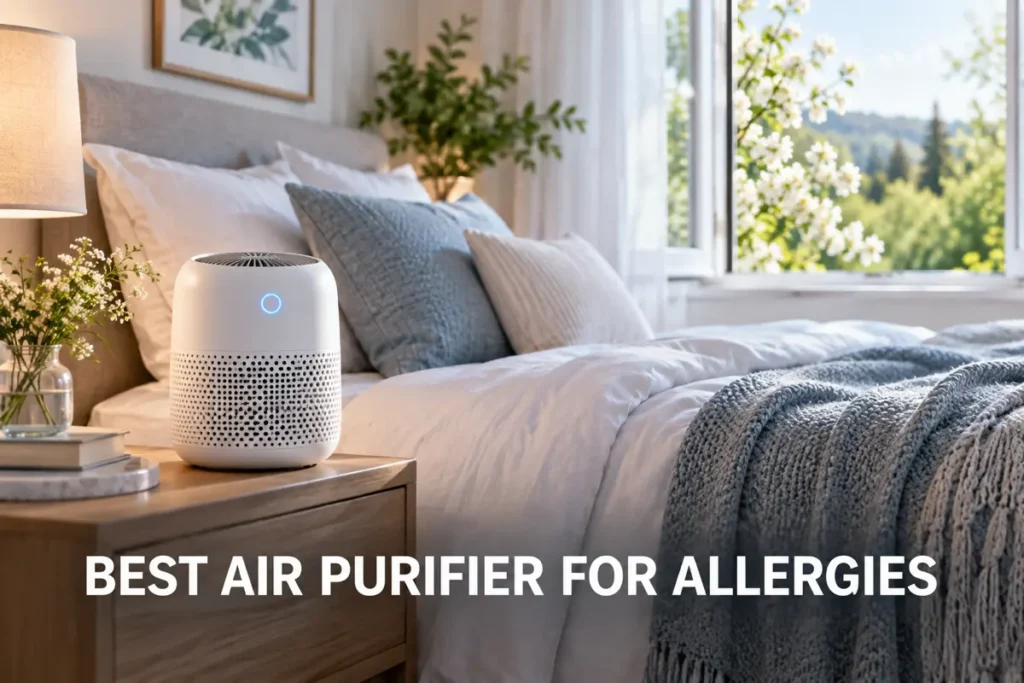
HEPA purifiers that clear pollen, dust mites, and mold spores from bedroom and living room air.
View guide →Best Air Purifiers for Home
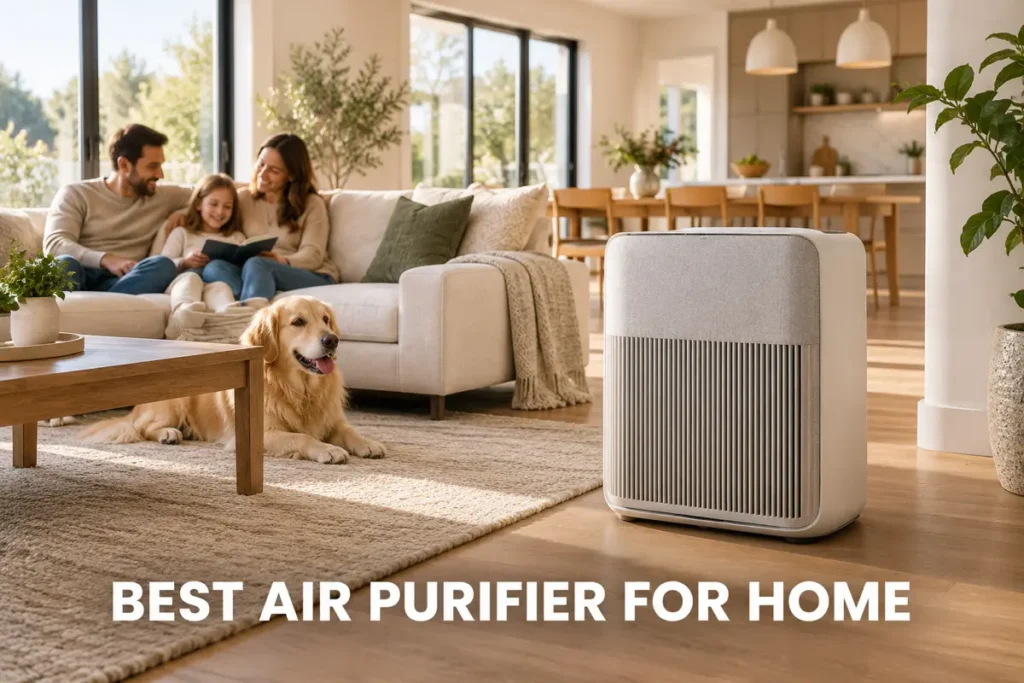
Whole-room HEPA purifiers ranked by coverage area, noise level, and long-term filter cost.
View guide →Best Air Purifiers for Pets
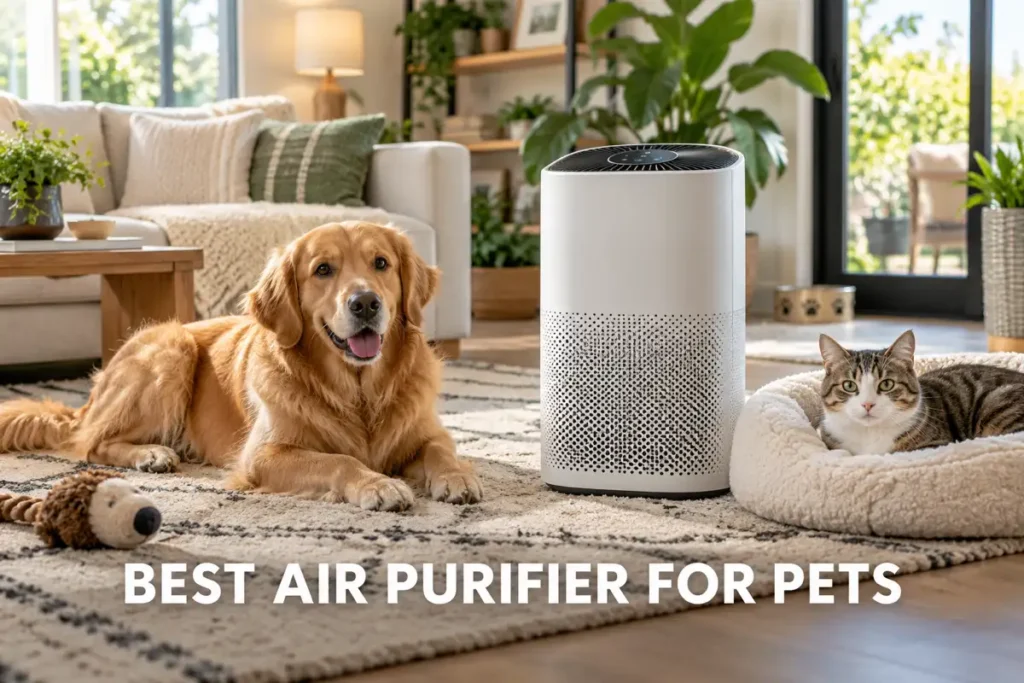
Purifiers that handle pet hair, dander, and odors in real homes with one or more animals.
View guide →Best Cabin Air Filters
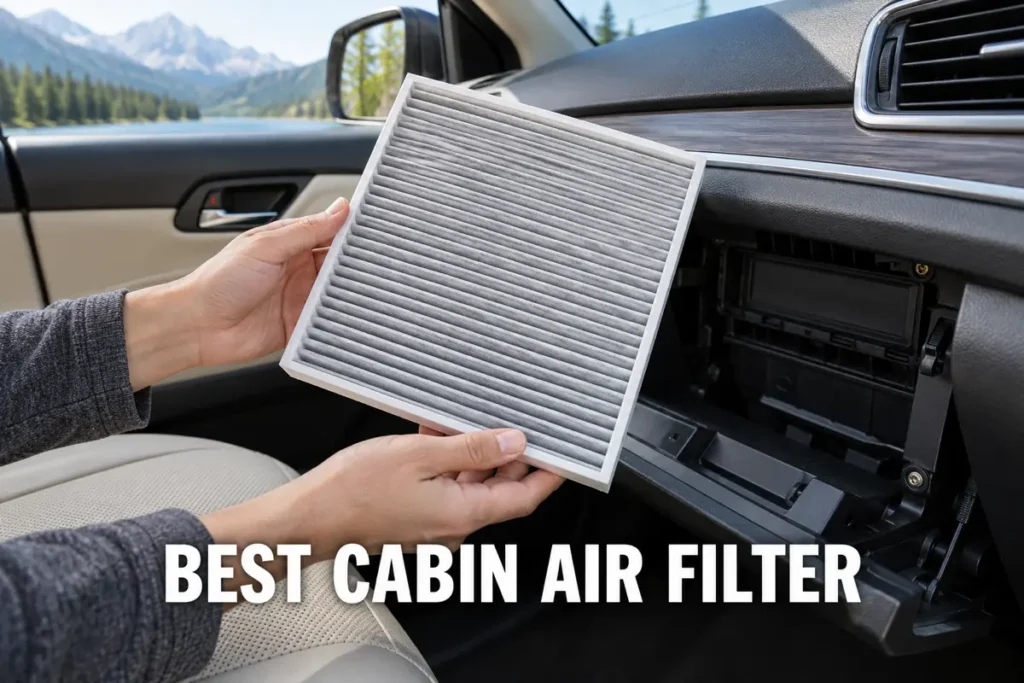
In-car air filters ranked for pollen, dust, and odor removal to keep your vehicle's cabin fresh.
View guide →Best Countertop Water Filters
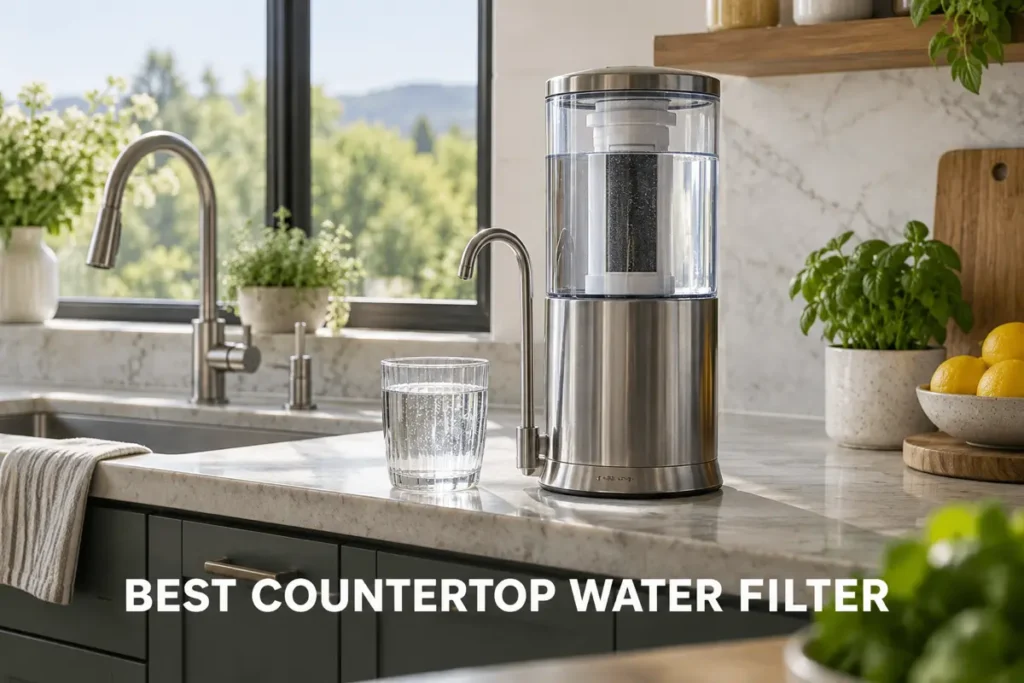
No-installation filters that sit on the countertop and remove chlorine, lead, and sediment from tap water.
View guide →Best Faucet Water Filters
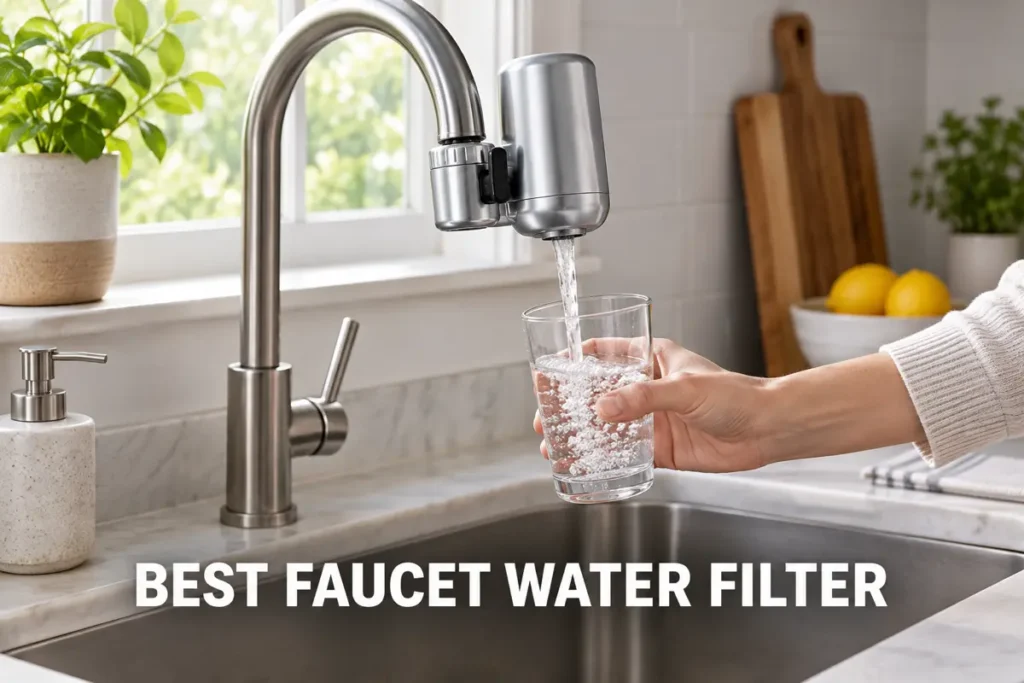
Faucet-mounted filters that attach in minutes and reduce contaminants straight from the tap.
View guide →Best Furnace Filters
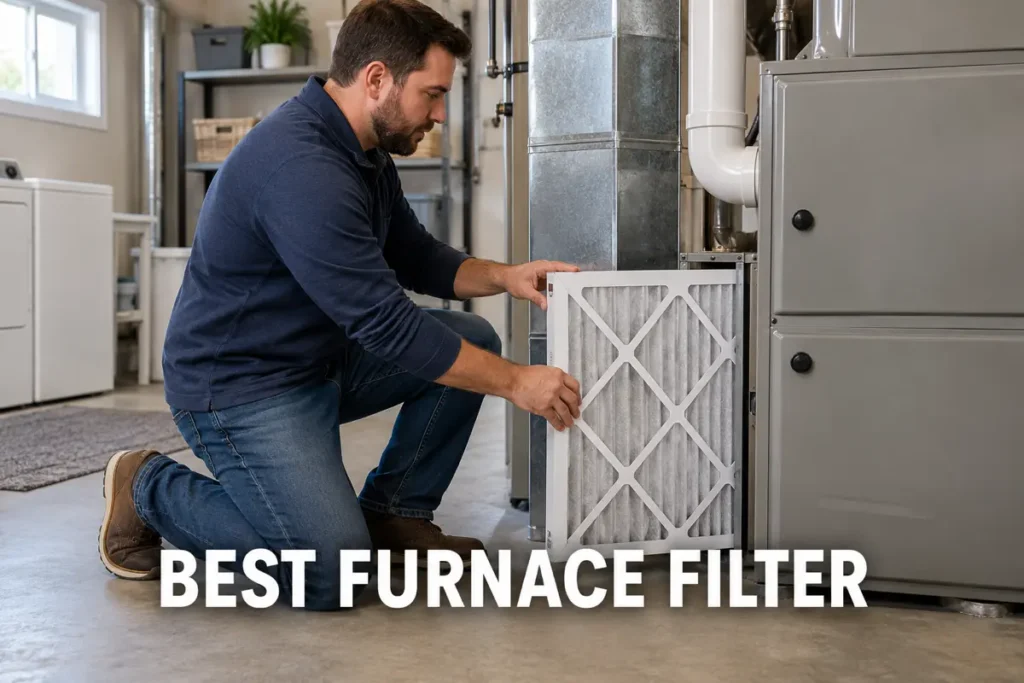
HVAC furnace filters ranked by MERV rating, airflow resistance, and how long they actually last.
View guide →Best Reverse Osmosis Systems
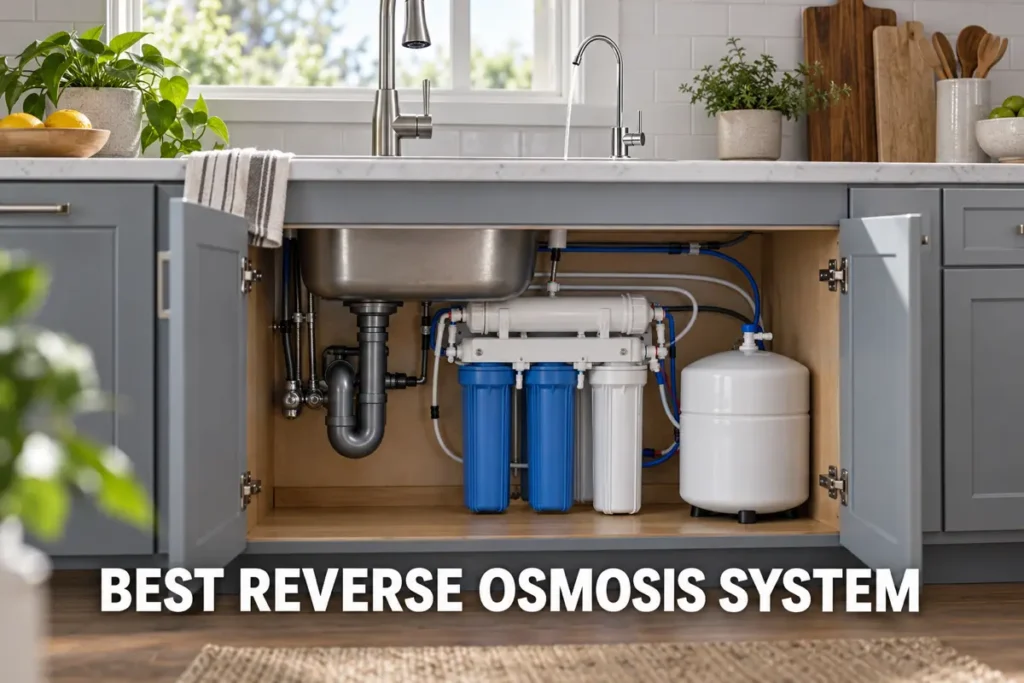
NSF-certified RO systems that remove heavy metals, PFAS, and dissolved solids from drinking water.
View guide →Best Under Sink Water Filters
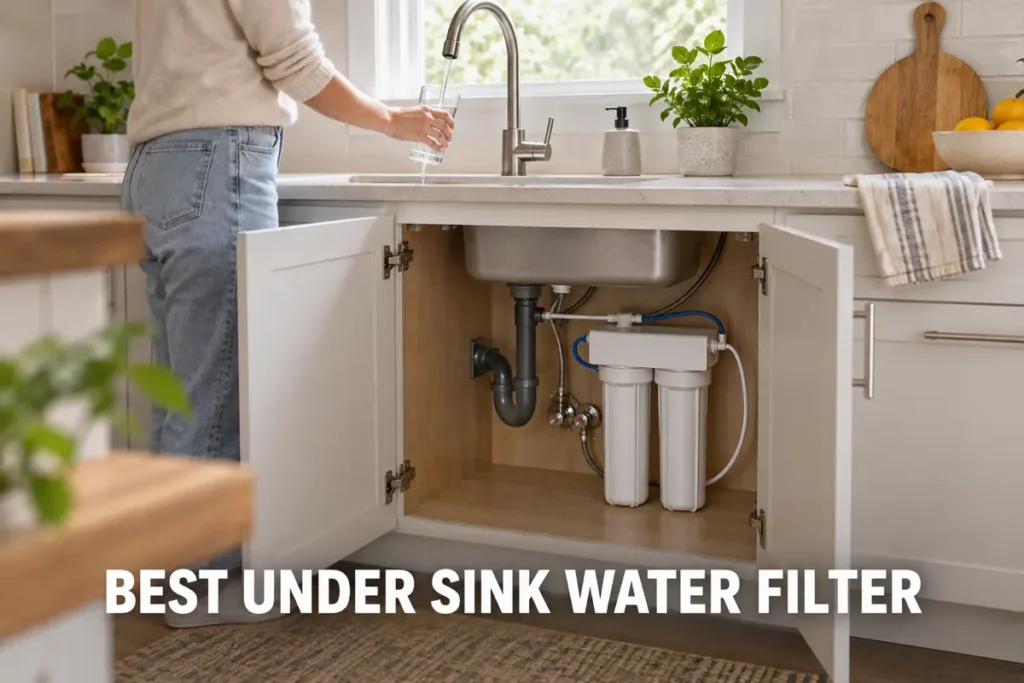
Hidden under-sink systems that deliver clean water through a dedicated faucet without countertop clutter.
View guide →Best Water Filter Cartridges
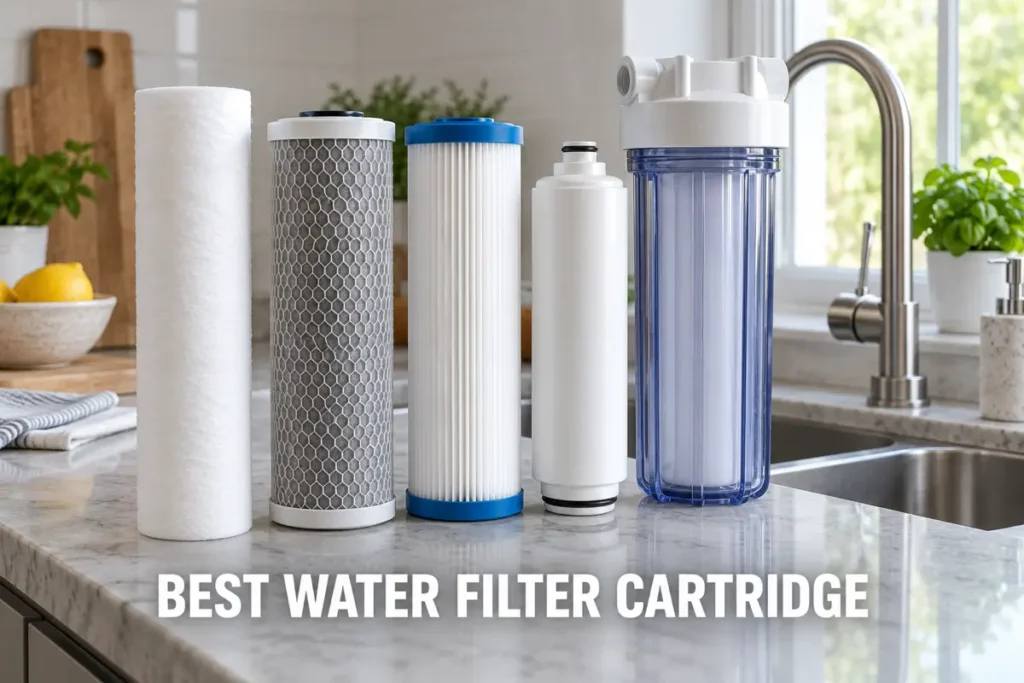
Replacement cartridges for every major filter system, ranked for contaminant reduction and longevity.
View guide →Best Water Filter Pitchers
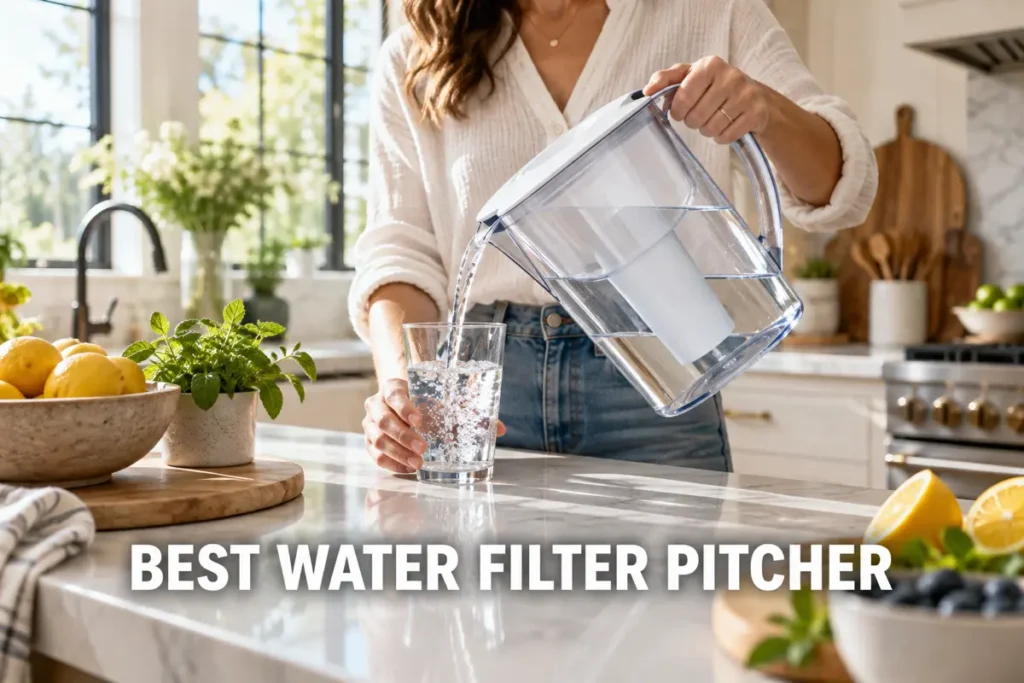
NSF-certified pitchers that reduce chlorine, lead, and heavy metals without any plumbing installation.
View guide →Best Water Filtration Systems
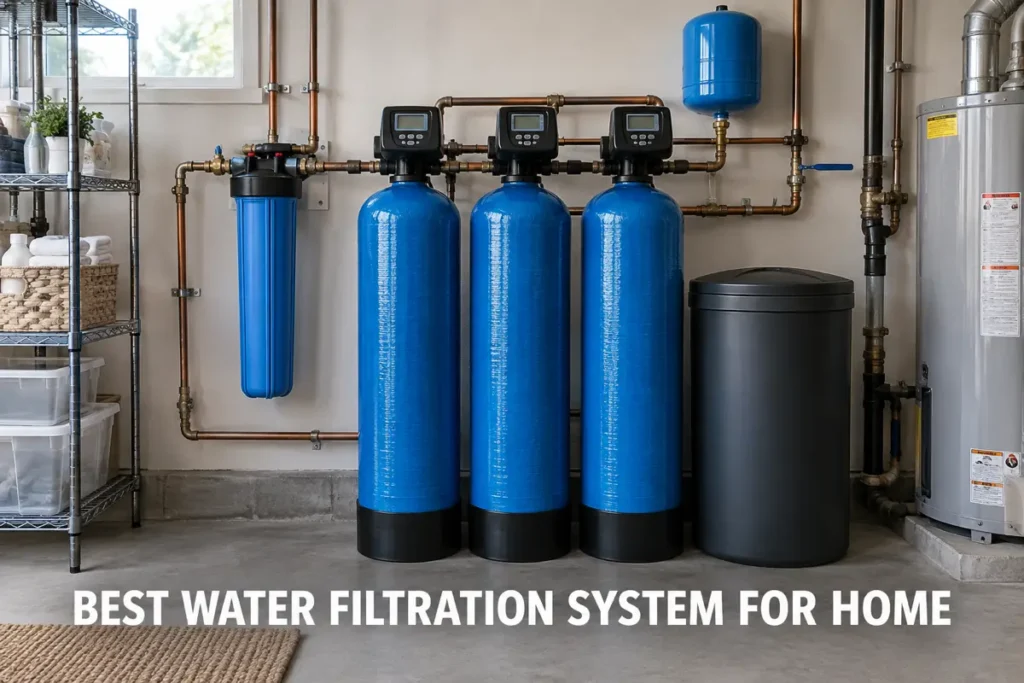
Whole-house systems that treat water at the point of entry, covering every tap and appliance.
View guide →Breathe Easy: Indoor Air Quality Solutions
Indoor air quality can feel intangible - after all, you can’t see air. But anyone who’s coughed through wildfire smoke season or battled a dusty house knows it’s very real. Puritisimo is here to help you clear the air. We tackle indoor air problems by pairing each issue with a practical, research-backed solution. Below, we introduce common air quality concerns in homes and how to fix them:
If wildfire smoke or smog has ever given your skies an eerie haze, you know those particles don’t stay outside. Tiny smoke particles can infiltrate your home, irritating your lungs and leaving a lingering campfire smell. The EPA and CDC both recommend using HEPA air purifiers to protect against wildfire smoke - these high-efficiency filters capture 99.97% of fine particles. Closing windows and creating a “clean room” with a portable HEPA air cleaner during smoke events can dramatically improve indoor air. Our [air purifiers] guide explains how to choose a purifier sized for your space, so you can breathe safely even when it’s smoky outside.
Does it seem like dust settles the moment you finish cleaning? You’re not alone. Common allergens like house dust, pollen from outside, and pet dander can trigger sneezing, stuffy noses, and itchy eyes. An effective solution is a HEPA [air purifier] (great for single rooms) or upgrading your central HVAC filter to a higher MERV rating to trap finer particles. Using a vacuum with a HEPA filter and regular dusting with a damp cloth also keeps allergen levels down. For families with allergy sufferers or asthma, these steps can be life-changing - imagine fewer flare-ups and a home that actually feels fresh.
Musty odors or spotting fuzzy growth on walls and windowsills are signs of a mold problem. Mold thrives in damp, humid conditions - think bathrooms, basements, or anywhere a leak has occurred. Not only can mold damage your home, it can also cause coughing, wheezing, or worsen asthma. The CDC recommends keeping indoor humidity under 50% to prevent mold growth. A [dehumidifier] is your best friend here: it pulls excess moisture out of the air, making your home less hospitable to mold and dust mites. Run a dehumidifier in clammy areas (like a basement) and fix any leaks or drips promptly. You can measure humidity with an inexpensive hygrometer to ensure you’re in the safe zone. By staying dry, you’ll nip mold in the bud and protect both your home and health.
Ever notice how frying bacon or cooking fish lingers in the air? Cooking can release smoke, grease droplets, and even invisible gases - especially if you have a gas stove, which emits nitrogen dioxide and other pollutants. Without proper ventilation, those cooking fumes accumulate and contribute to poor IAQ (indoor air quality). Always use your kitchen range hood or exhaust fan while cooking (and make sure it vents outside if possible). For added protection, an air purifier with an activated carbon filter can help absorb odors and volatile organic compounds from cooking. Even something as simple as opening a window a crack (weather permitting) can cycle fresh air in. The result: your kitchen (and the rest of your house) won’t smell like last night’s dinner, and you’ll reduce irritants that can bother your lungs.
That “new paint” smell or the scent from a strong cleaner - those are likely volatile organic compounds (VOCs) evaporating into your air. VOCs come from common household products: paints, varnishes, cleaning supplies, air fresheners, and even new furniture can off-gas chemicals. Breathing high levels of VOCs may cause headaches or irritation, and some have longer-term health effects. The first line of defense is source control: use low-VOC or VOC-free products when you can, and store chemicals tightly sealed and preferably outside the living space. Also, increase ventilation - open windows, use exhaust fans, or consider an energy recovery ventilator (ERV) if you have a tightly sealed home. For ongoing VOC concerns, some advanced air purifiers contain activated carbon filters designed to adsorb chemical vapors. While no filter catches everything, studies show these filters can significantly reduce indoor chemical levels over time. If you’re curious about specific indoor chemicals, our guide on [VOCs] explains how to identify sources and reduce exposure for a healthier home.
Read Our Individual Product Reviews
In-depth reviews of individual air purifiers and water filters, tested against consistent criteria.
Waterdrop PT-07B Review
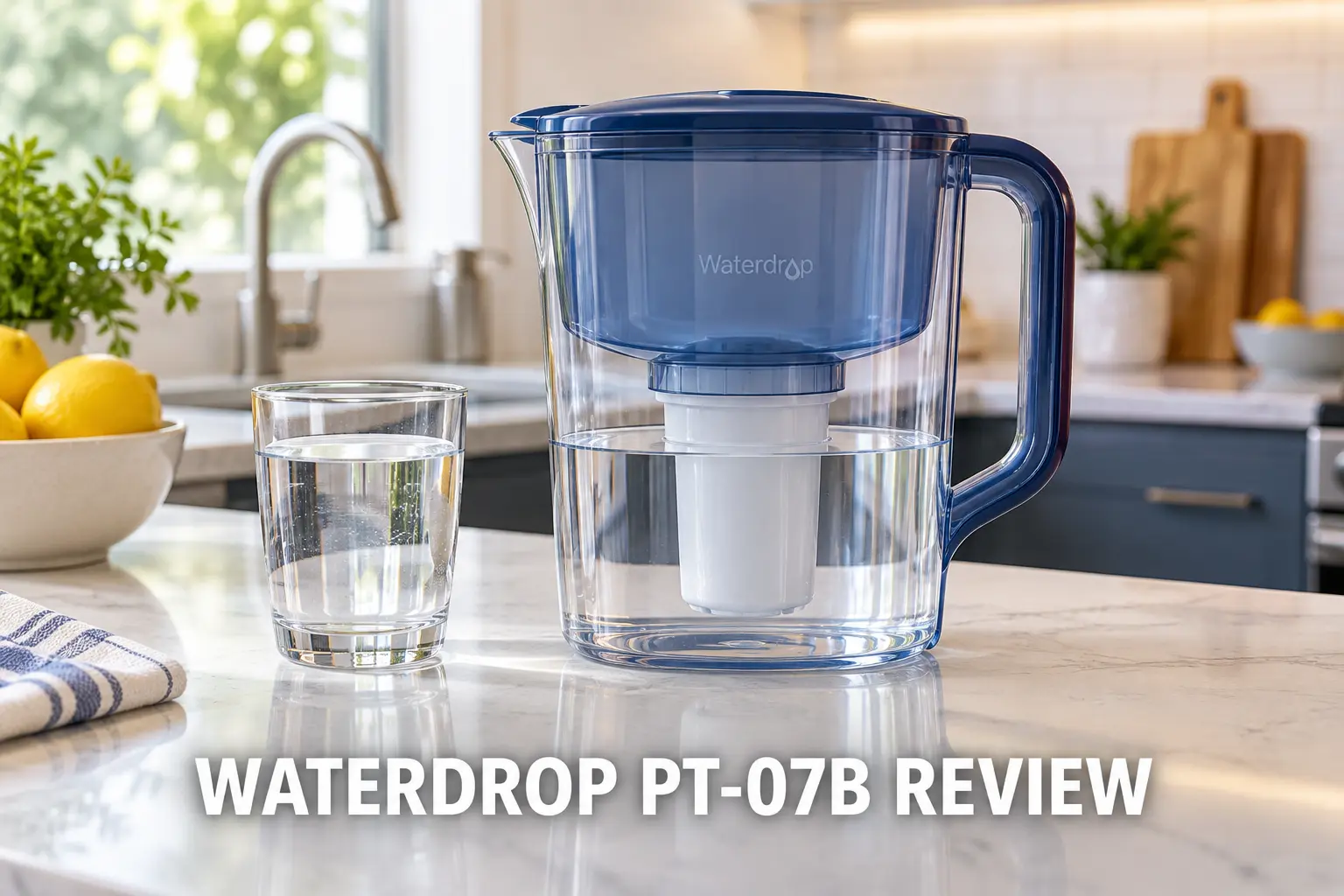
A two-stage pitcher filter that removes chlorine, sediment, and heavy metals without any plumbing.
Read full review →iSpring RCC7 Review
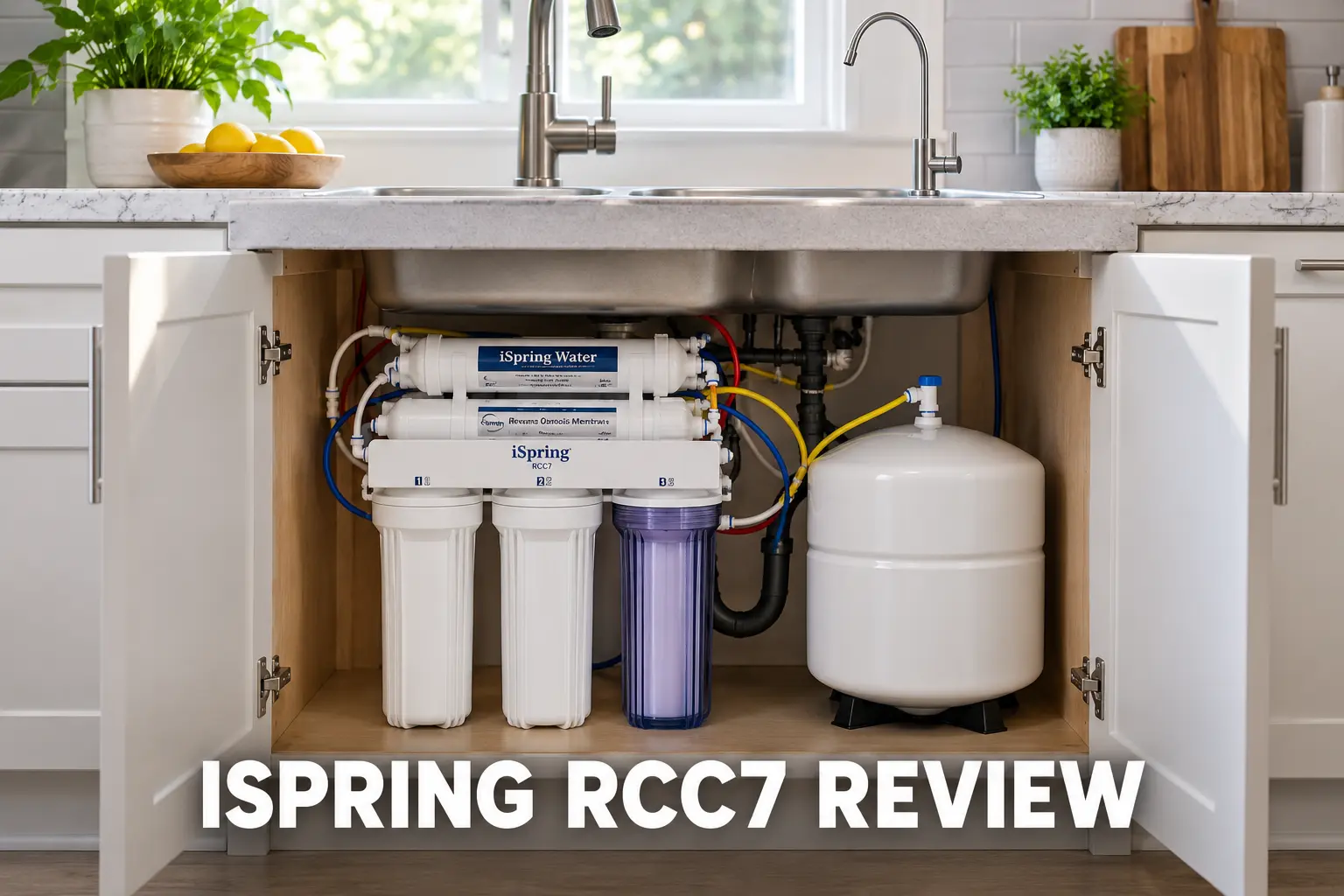
A five-stage under-sink RO system that removes up to 99% of TDS, chlorine, lead, and fluoride.
Read full review →Levoit Core 300-P Review
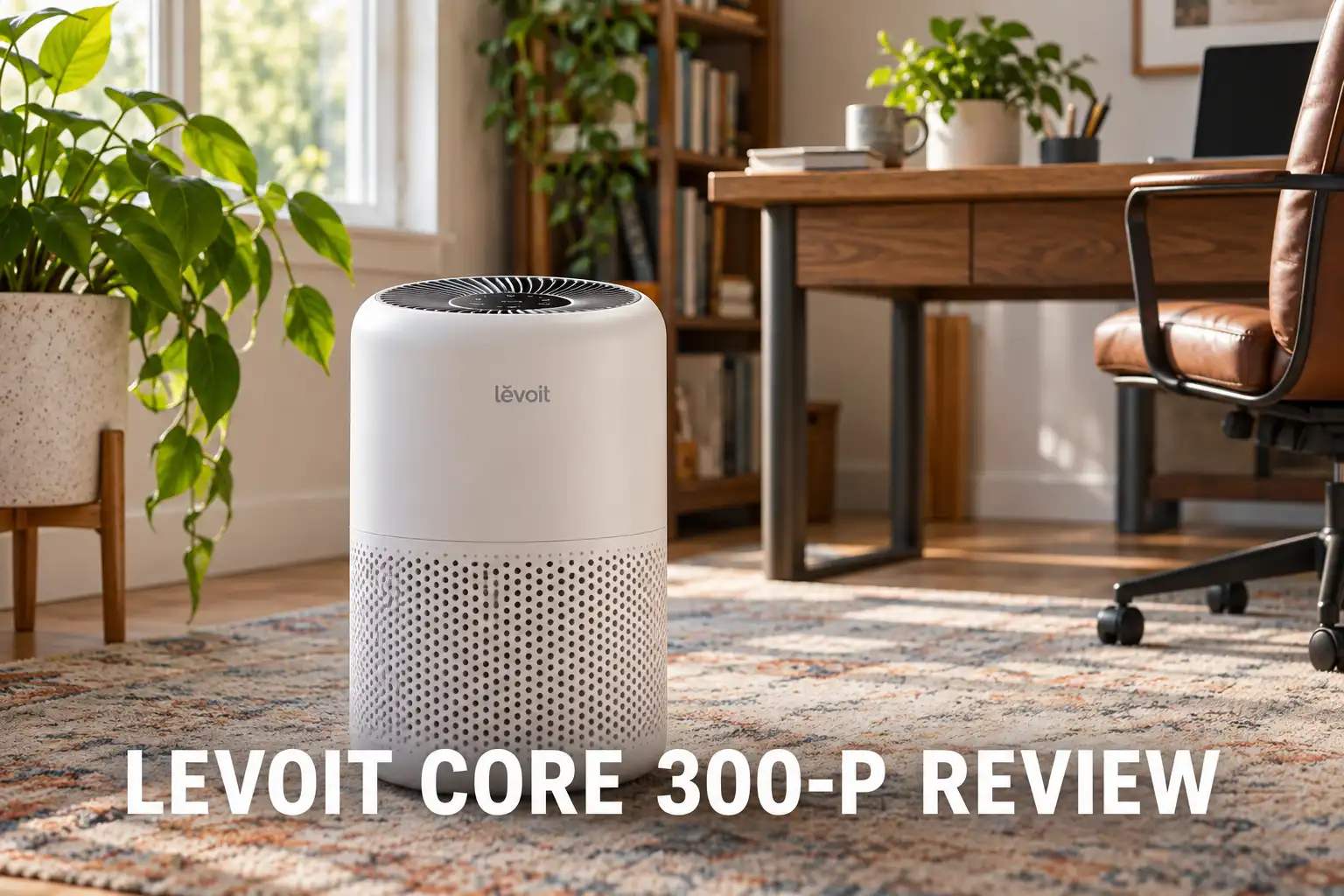
A compact purifier covering 219 square feet with a three-stage filtration system and simple filter replacement.
Read full review →Royal Berkey Review
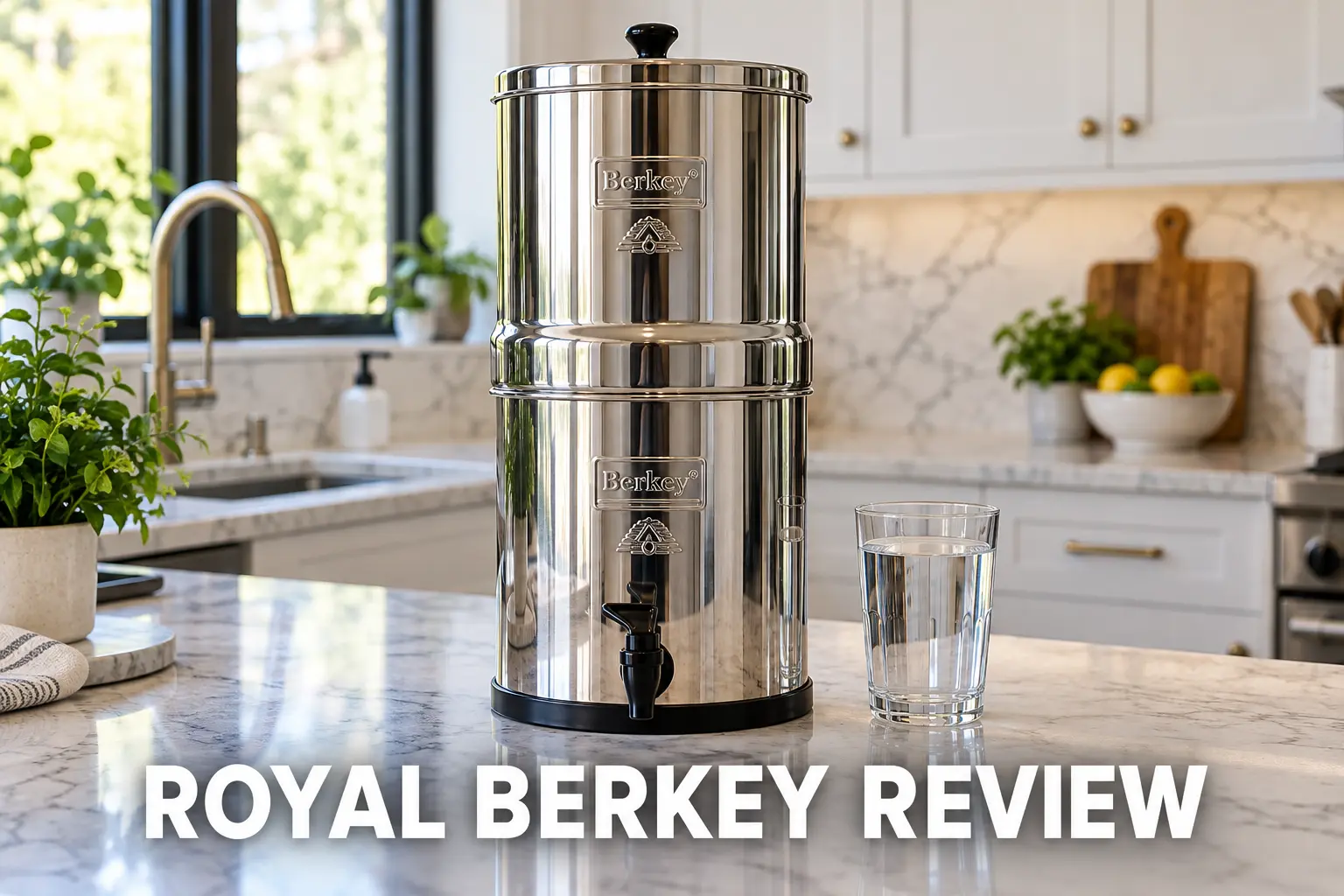
A gravity-fed stainless steel countertop filter that works without electricity and holds up to 3.25 gallons.
Read full review →PurePlus Review
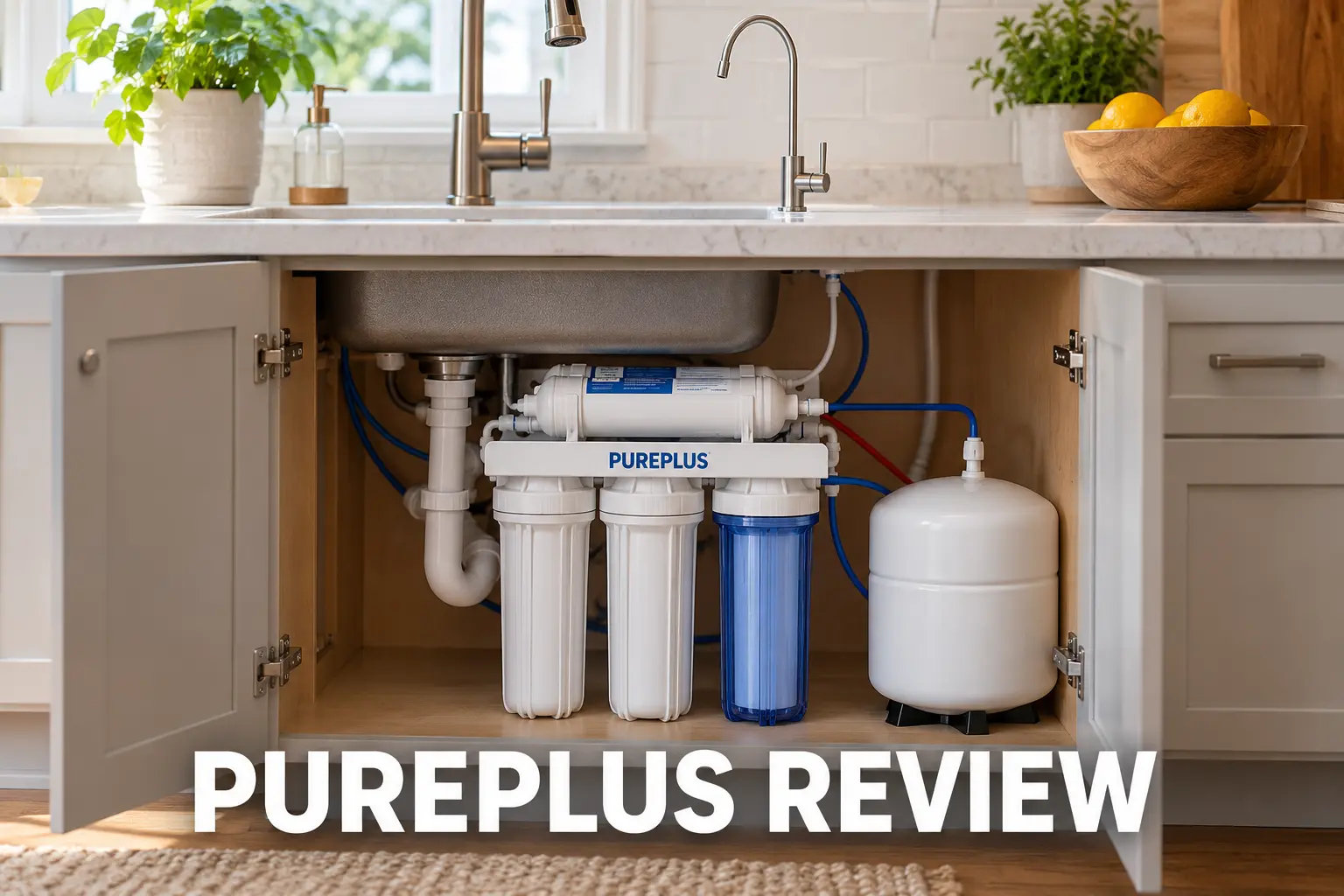
A multi-stage under-sink filter that reduces chlorine, sediment, and heavy metals without wasting water.
Read full review →Levoit Core 400S-P Review
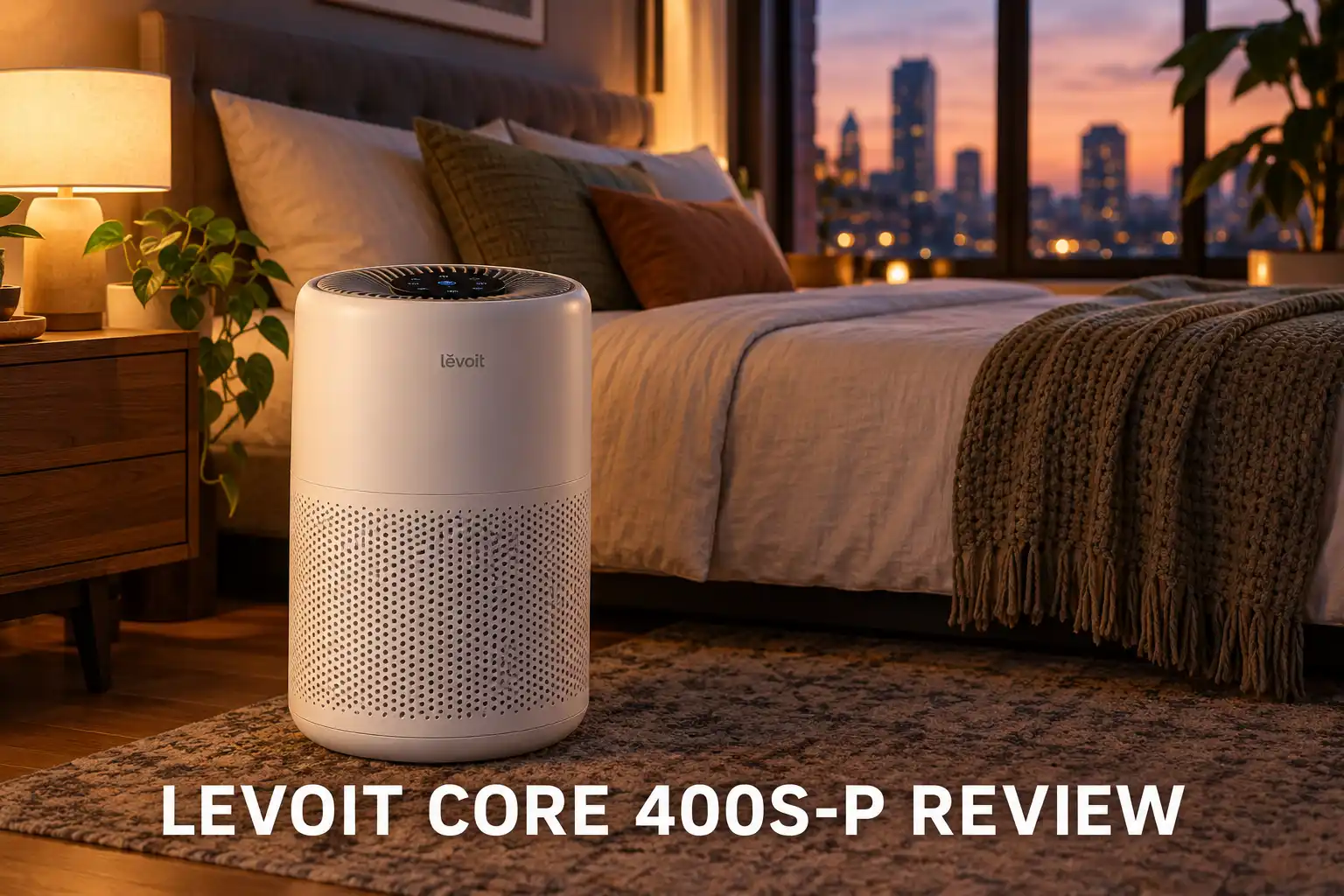
A 403-square-foot smart purifier with whisper-quiet sleep mode and app-controlled auto fan speed.
Read full review →PUR Plus Review
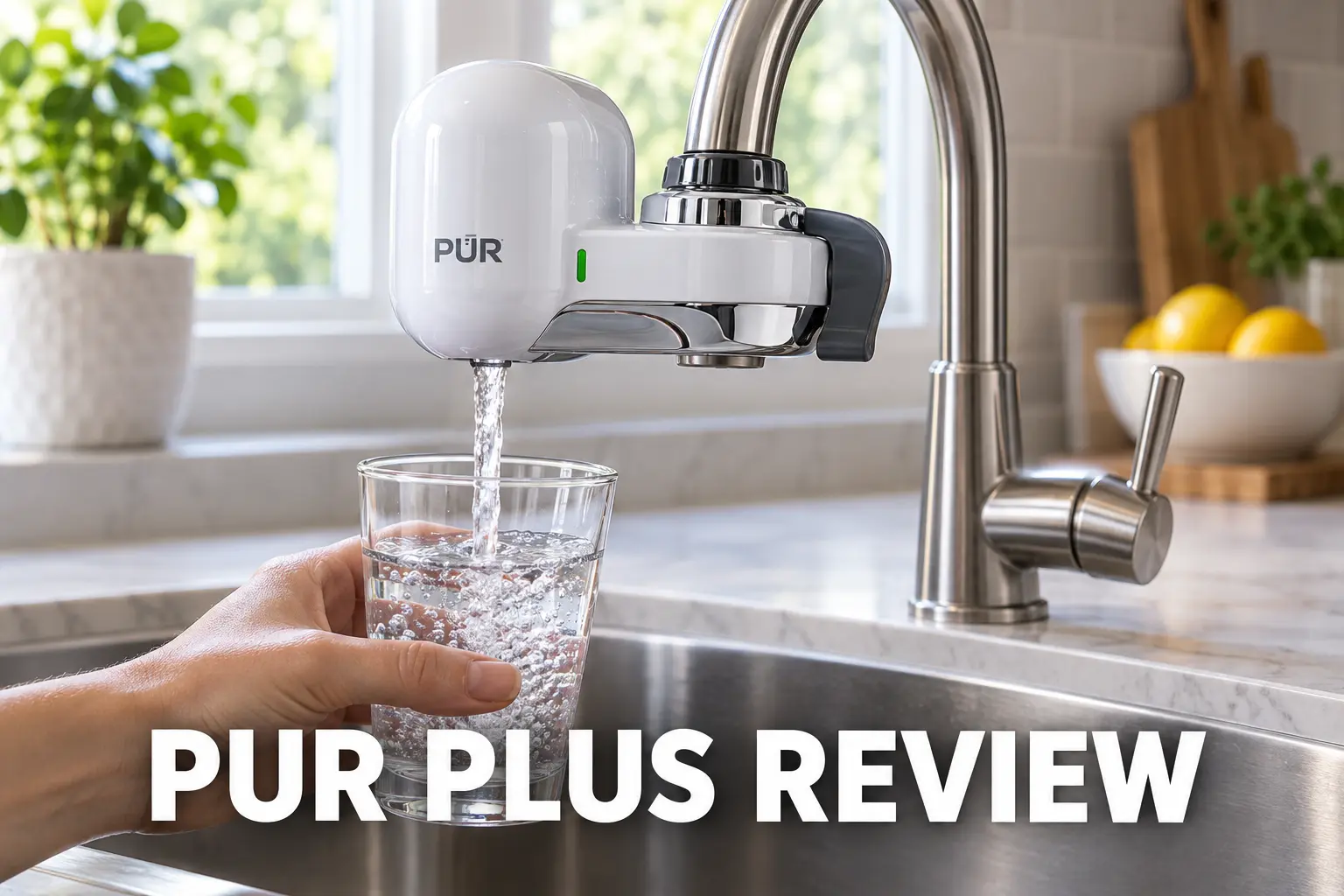
A push-button faucet filter certified to reduce lead, chlorine, and over 70 contaminants straight from the tap.
Read full review →iSpring RCC7AK Review
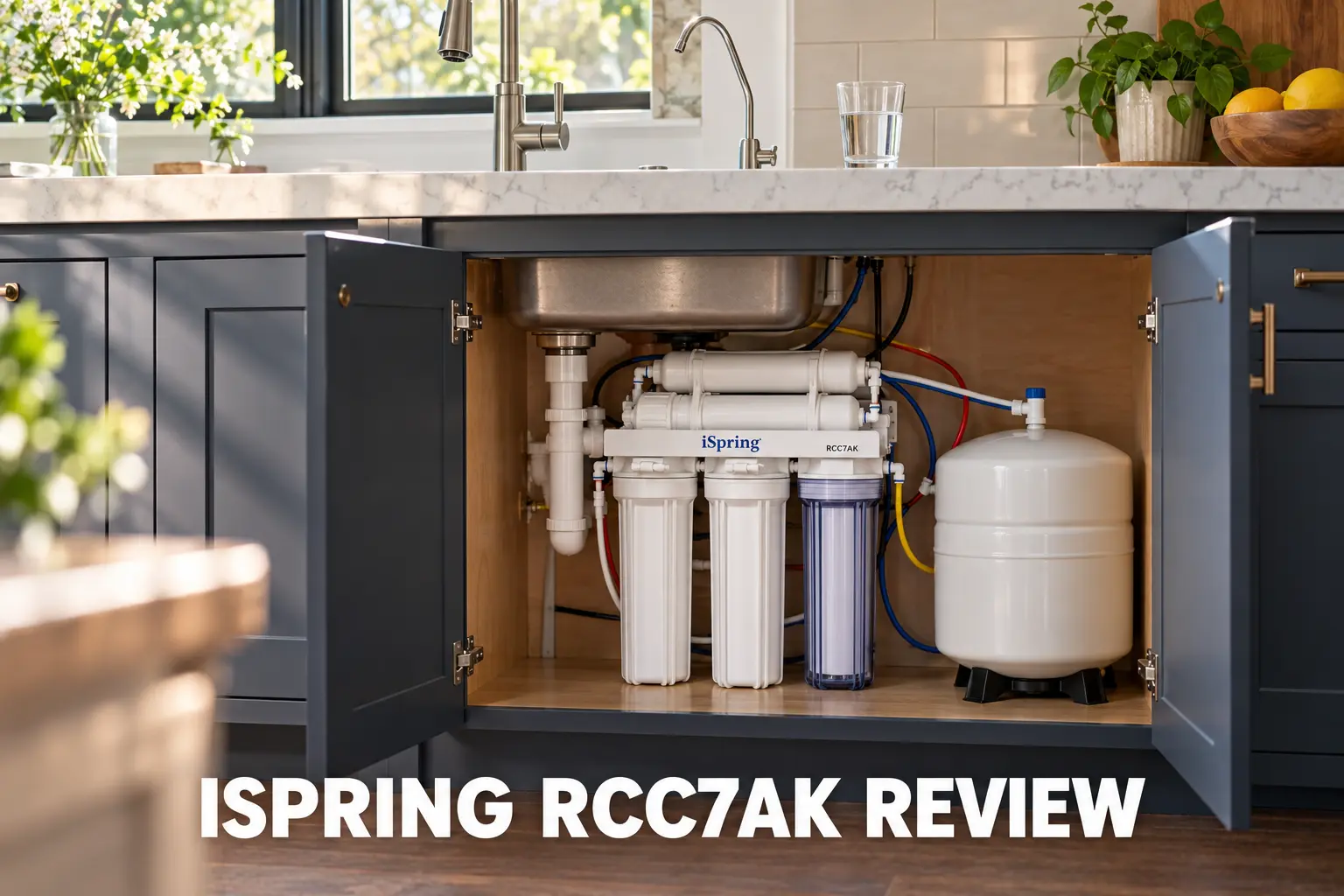
A six-stage RO system that adds alkaline remineralization after filtration to improve taste and pH balance.
Read full review →Levoit Vital 200S-P Review
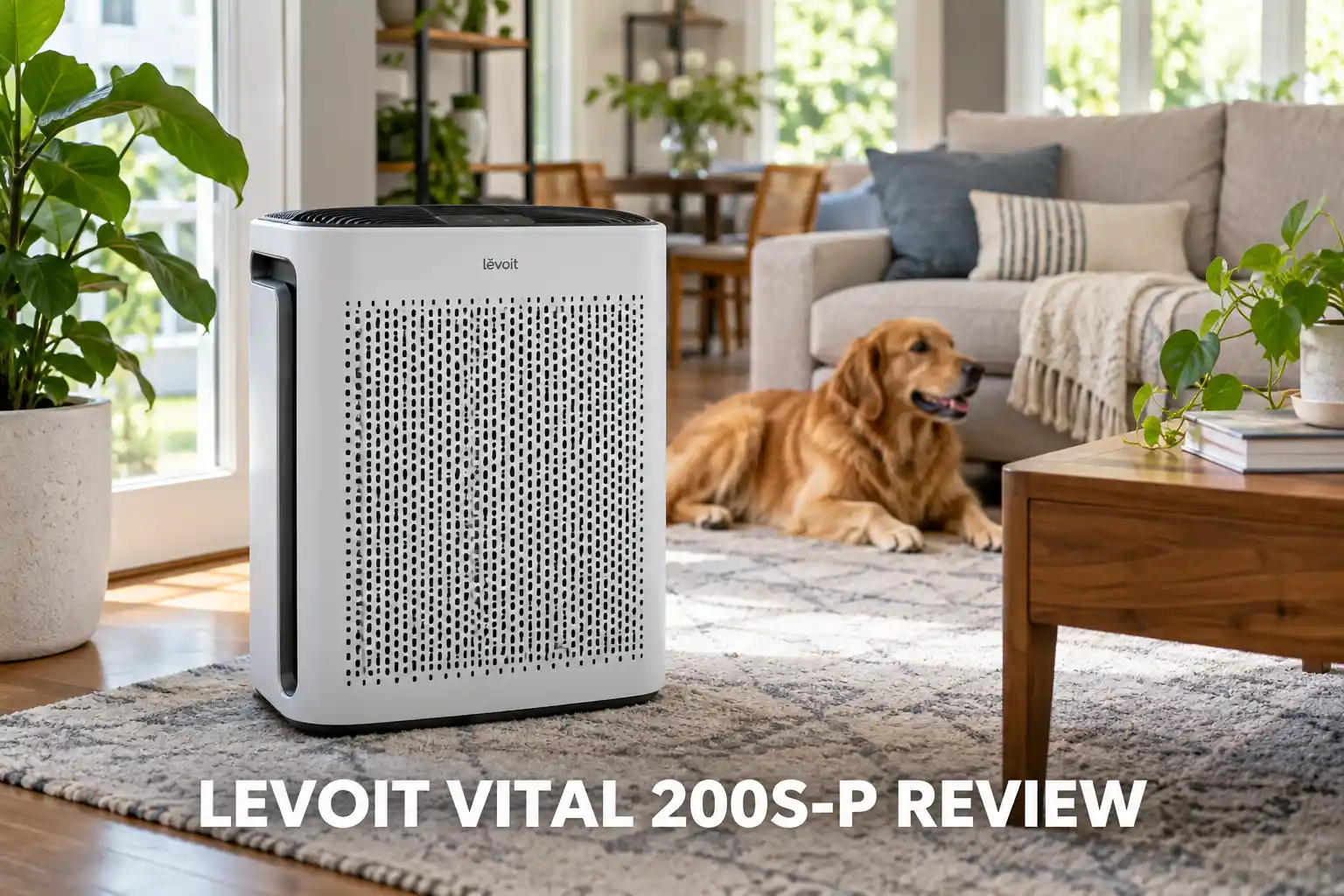
A mid-range purifier covering up to 380 square feet with smart auto mode and a dedicated pet allergen filter.
Read full review →Key Tools to Improve Your Indoor Air
As you can see, each problem has a solution. Often, it’s a combination of good habits (like ventilating or cleaning regularly) and the right device to assist you. Here’s a quick rundown of key tools to improve your indoor air:
These are plug-and-play devices that use HEPA filters to capture particulate pollution (dust, smoke, pollen, pet dander). Some models include activated carbon or charcoal filters for odors and chemicals. We recommend HEPA [air purifiers] for anyone dealing with allergies, smoke, or dusty homes - they’re one of the simplest ways to noticeably improve air quality. Place one in bedrooms or living areas and let it run 24/7 for best results (they’re designed for continuous use). Our air purifier buying guide breaks down what to look for - from CADR ratings to filter replacements - so you can choose one with confidence.
As mentioned earlier, controlling moisture is crucial. [Dehumidifiers] draw excess humidity from the air, which helps prevent mold growth and dust mite infestations (dust mites love humid environments). By maintaining that sweet spot of 30-50% relative humidity indoors, you also make your home less hospitable to other allergens and even some pests. Dehumidifiers come in various sizes - from portable units for a damp bedroom, to whole-house systems that integrate with HVAC. Not sure what size you need? Our dehumidifier guide can help you size one correctly based on the square footage and dampness of your space. You’ll be rewarded with a fresher feeling home and no more clammy walls.
Your home’s furnace or central AC system likely already filters air - but not all filters are equal. Those flat, cheap fiberglass filters catch only the biggest particles (mostly to protect the equipment, not your lungs). Upgrading to a pleated filter with a MERV 11-13 rating can capture much finer particles, including some smoke and pollen. According to the Department of Energy, filters rated up to MERV 13 can significantly improve filtration and still work with most residential HVAC systems. It’s a low-cost upgrade: just slide in a better filter (make sure to change it every 2-3 months or as directed). This boosts whole-house air cleaning whenever your system runs. Check out our tips on selecting the right HVAC filter - it’s an easy win for cleaner air.
Stale indoor air needs an escape route. Exhaust fans in bathrooms and kitchens remove moisture and pollutants at the source - use them regularly and keep them clean so they work effectively. If your home is newer and tightly sealed, consider cracking a window for a few minutes each day to let fresh air cycle in (even in winter, a brief exchange can help). In areas with extreme outdoor pollution (like heavy wildfire smoke or high pollen days), you’ll want to do the opposite - seal up and rely on purifiers until the outdoor air improves. It’s all about knowing when to ventilate and when to filter. We have a section in our air quality guide on smart ventilation strategies to help you find the right balance.
Ever wonder what’s in your air? Small IAQ monitors can measure things like particulate levels (PM2.5), VOCs, humidity, and even carbon dioxide. While not a solution by themselves, they empower you with information. You might discover, for example, that indoor PM2.5 spikes when you cook - which reminds you to use the range hood or air purifier. Or you’ll see humidity creeping up, cueing you to turn on the dehumidifier. Monitors provide real-time feedback so you can take action. They’re a helpful addition for the curious homeowner and we cover some recommended models and how to interpret their readings in our resources.
Bottom line: Clean indoor air is achievable with a mix of smart practices and the right products. Whether it’s choosing a top-rated HEPA air purifier for wildfire season or simply using a dehumidifier in your basement, you can dramatically improve your air quality and literally breathe easier. With a bit of knowledge and the proper tools, anyone can turn their home’s air into a breath of fresh air.
Read Our Latest Informational Posts
Practical knowledge on home air quality and water filtration, written by a medical specialist.
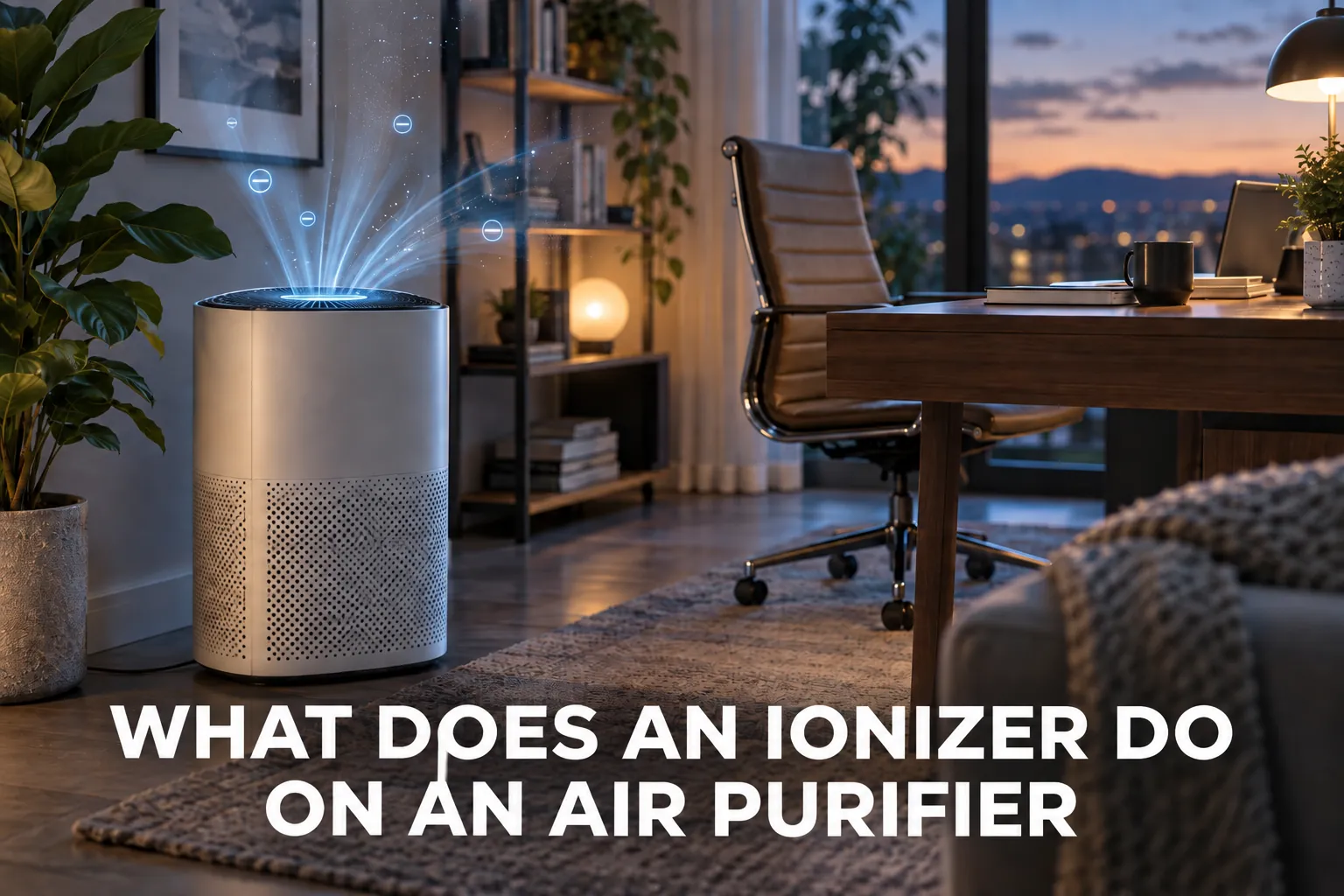
What Does an Ionizer Do on an Air Purifier? How It Actually Works
How ionizers release charged particles to trap airborne contaminants — and where they work better than a filter alone.
Read article →
How Often to Run Air Purifier for Best Indoor Air Quality
Most air purifiers should run continuously, or for most of the hours a room is occupied, to keep indoor air clean.
Read article →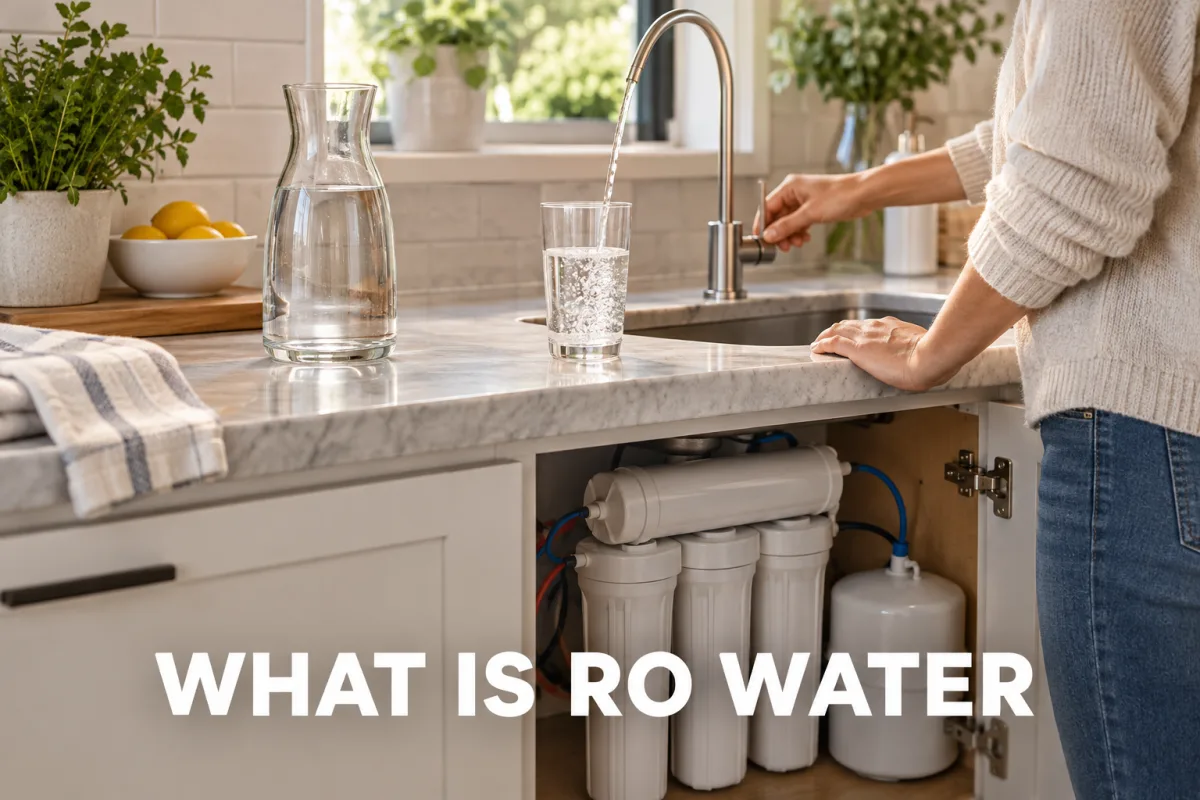
What Is RO Water? The Reverse Osmosis Process Explained
What reverse osmosis actually does to water, how the membrane works, and what it removes versus what it leaves behind.
Read article →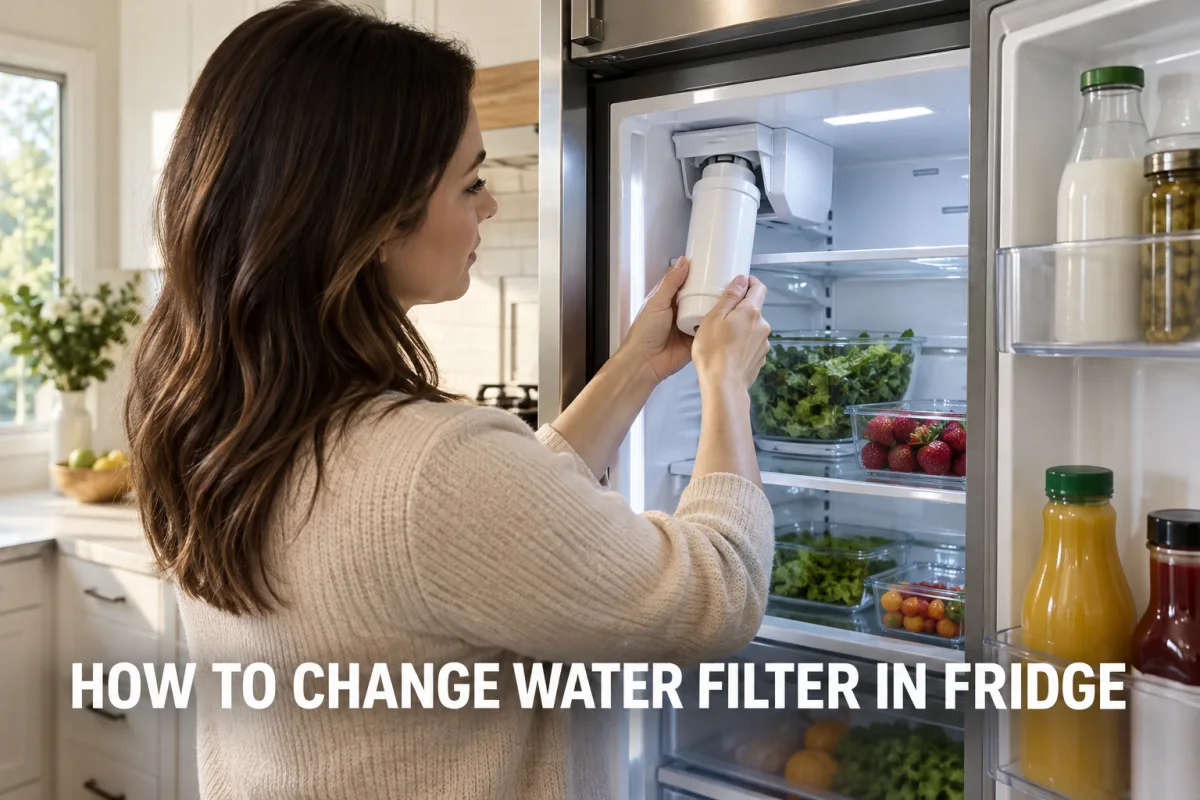
How to Change Water Filter in Fridge: A Step-by-Step Guide
A five-minute, tool-free swap on most models — here is how to do it correctly and confirm the new filter is seated.
Read article →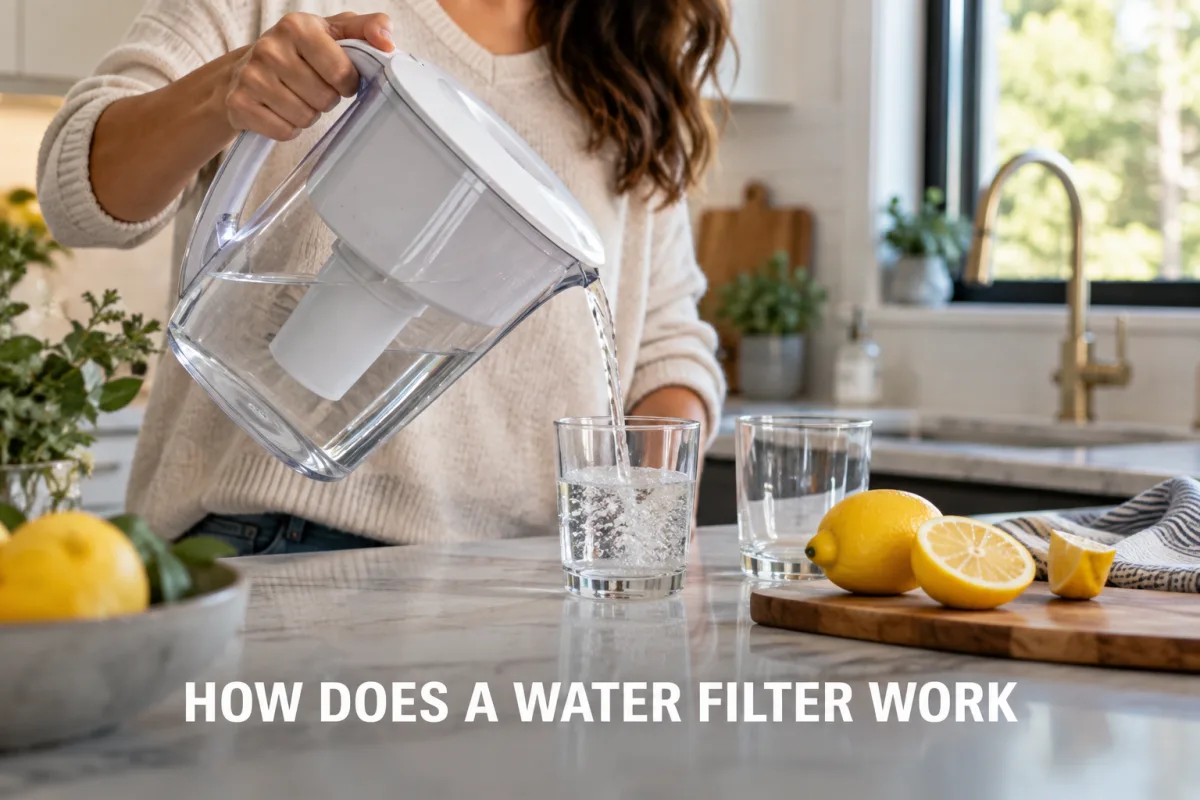
How Does a Water Filter Work? The Science Explained Simply
A water filter works by forcing water through physical and chemical barriers — what each stage removes and why it matters.
Read article →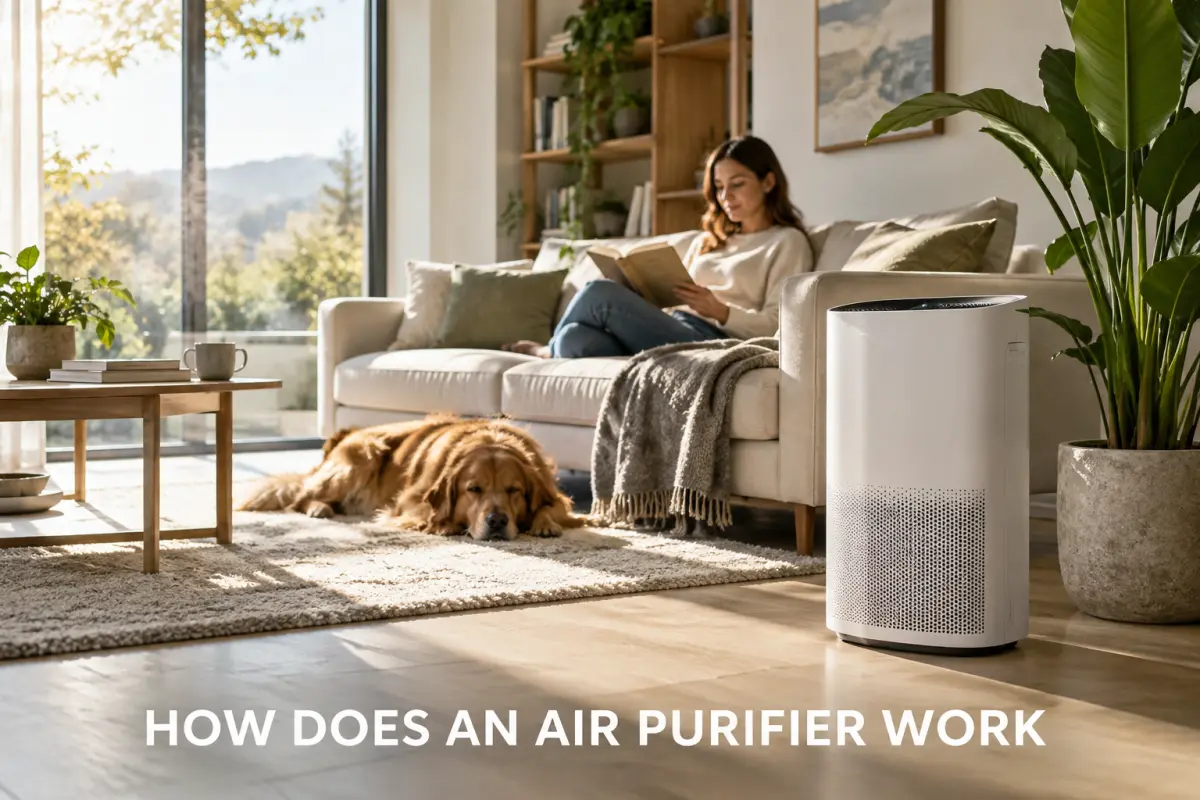
How Does an Air Purifier Work? A Step-by-Step Breakdown
How air purifiers draw air in, pass it through filtration stages, and return clean air — broken down stage by stage.
Read article →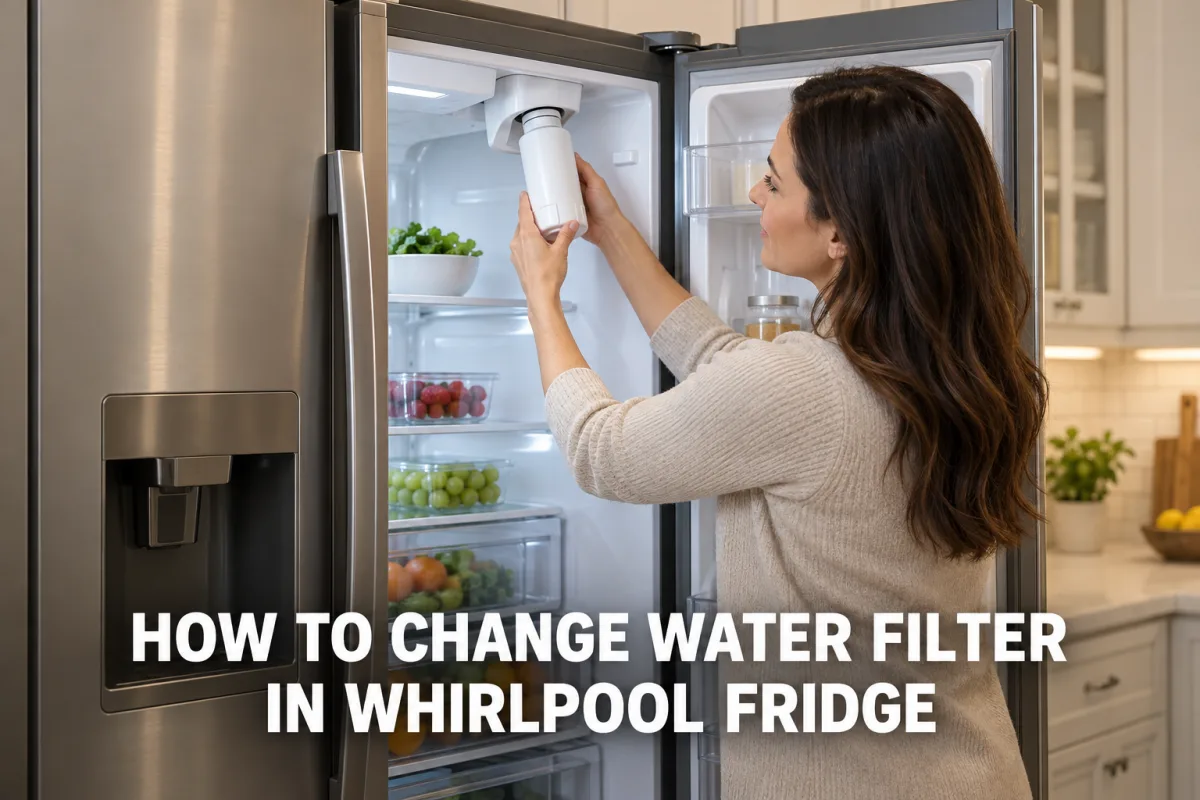
How to Change Water Filter in Whirlpool Fridge: Step-by-Step
Changing the filter in a Whirlpool fridge takes about five minutes and no tools — steps for every common location.
Read article →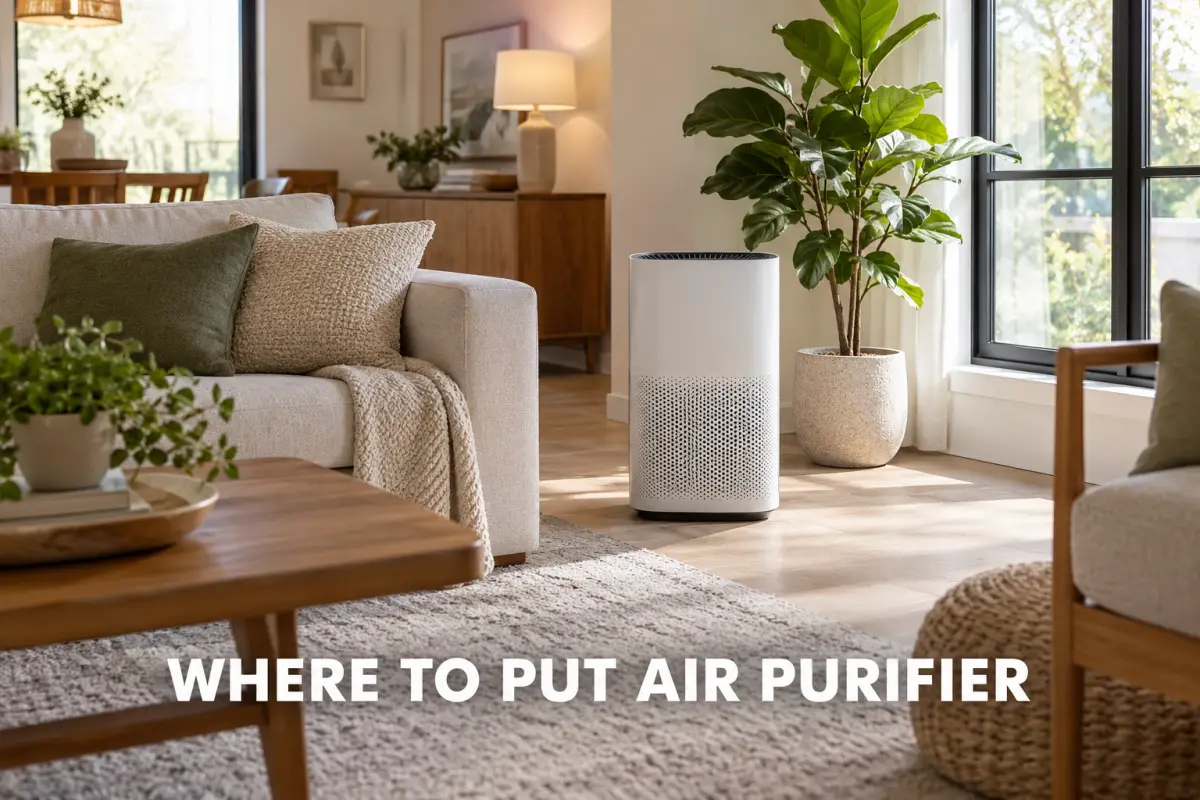
Where to Put Air Purifier: Finding the Best Spot in Every Room
Where you put an air purifier matters as much as the model you buy — placement rules for every common room type.
Read article →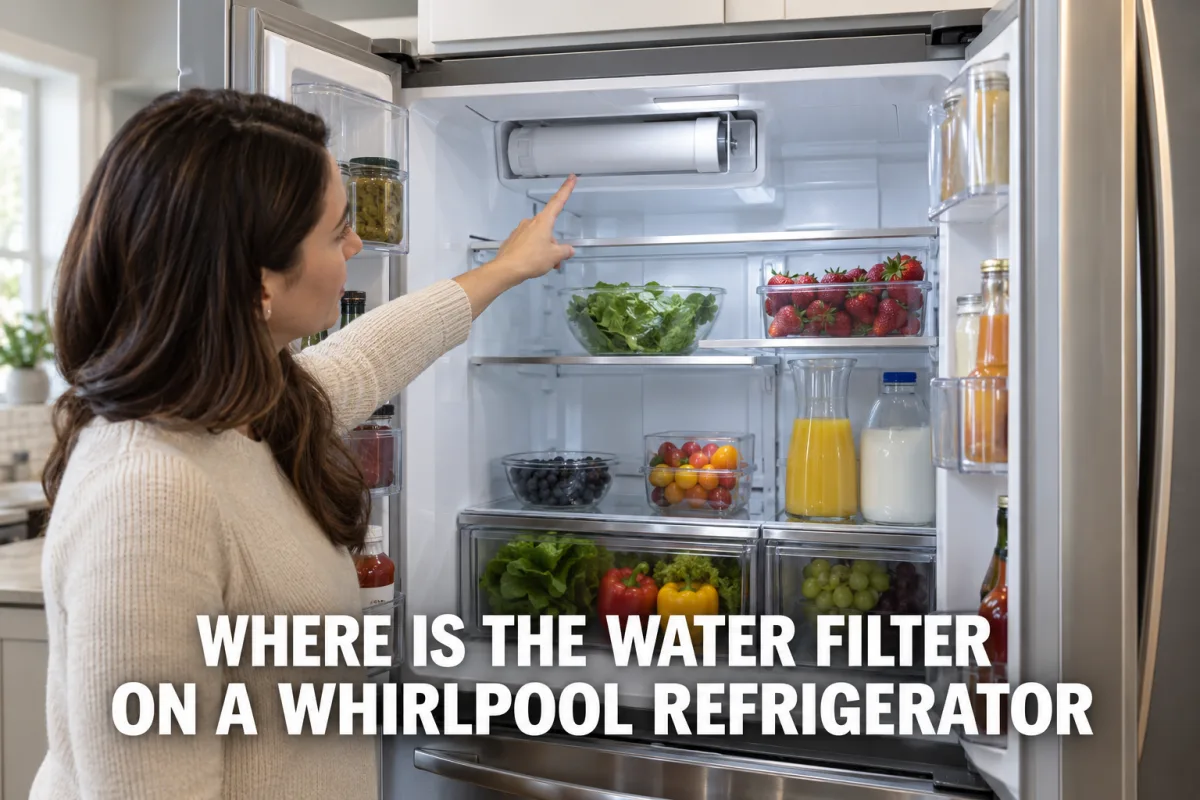
Where Is the Water Filter on a Whirlpool Refrigerator? Location by Model
Where the water filter is on your Whirlpool refrigerator depends on the model — this covers every location by series.
Read article →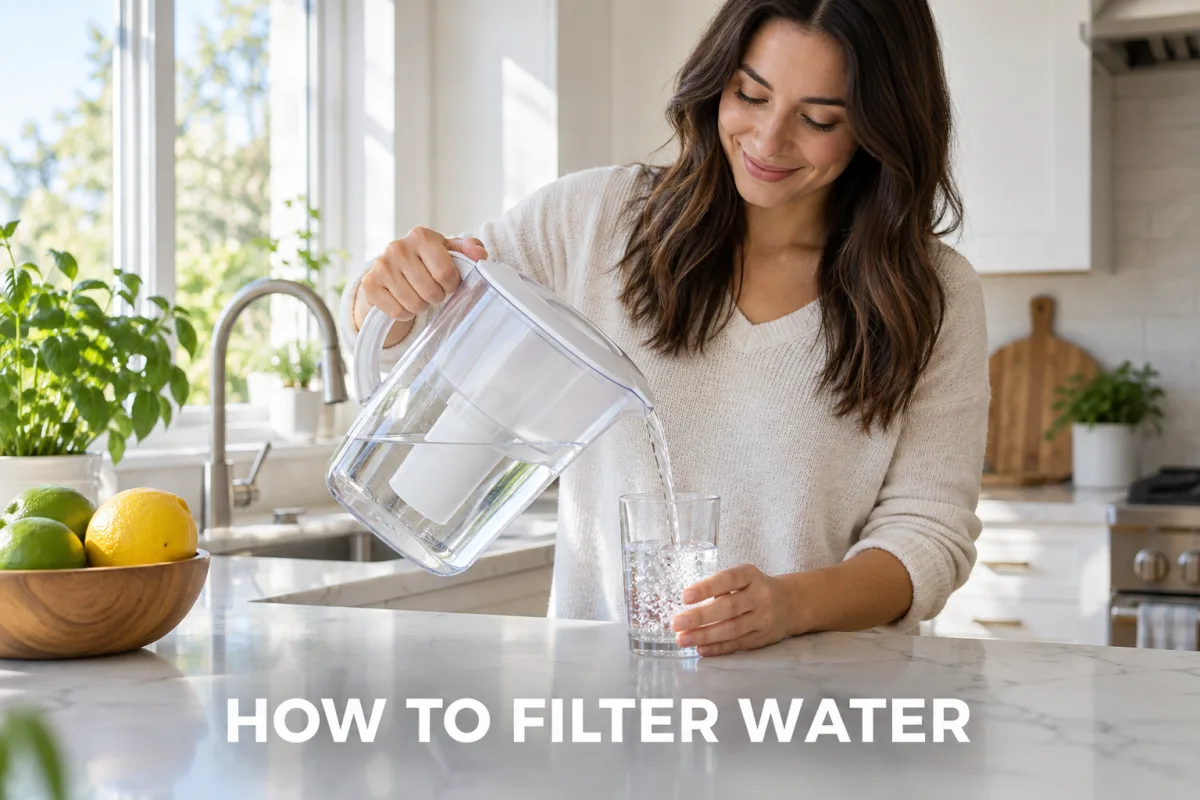
How to Filter Water: Methods, Steps, and What Actually Works
Filtering water comes down to matching the removal method to what is actually in it — a practical breakdown of every approach.
Read article →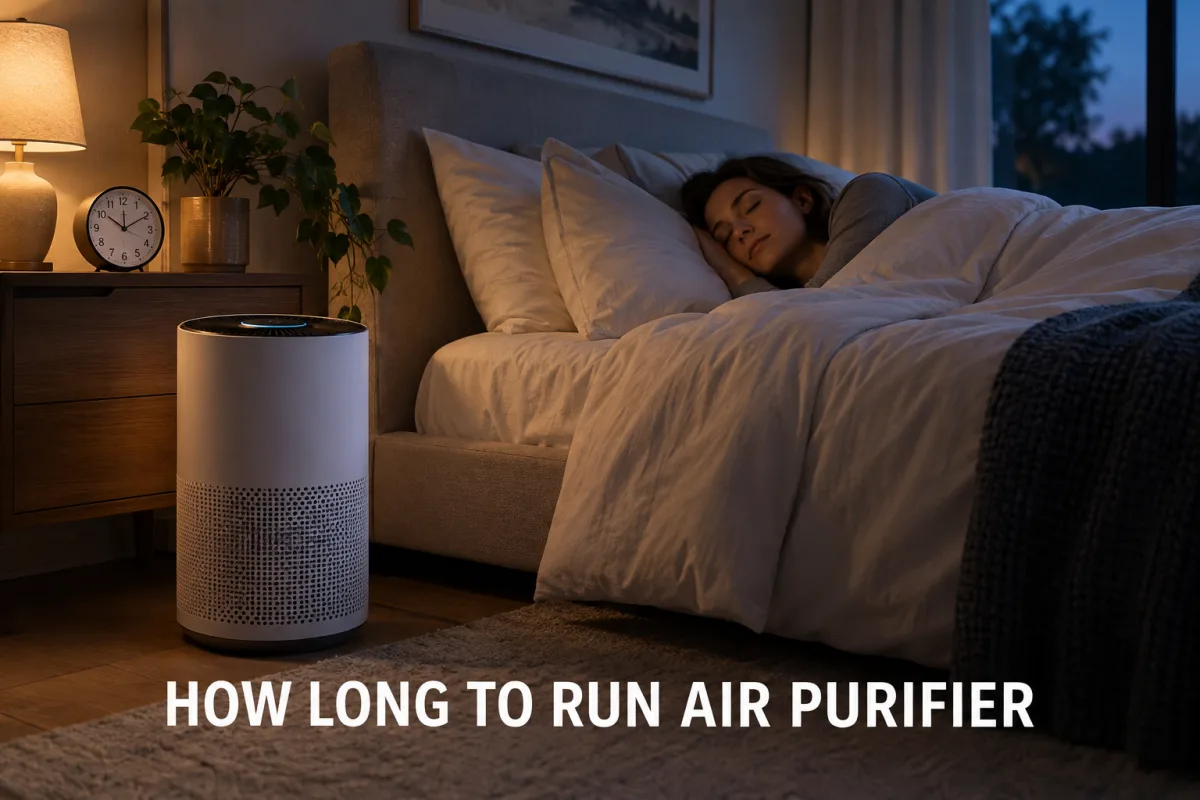
How Long to Run Air Purifier for Best Indoor Air Quality
How long you should run an air purifier depends on your goal, your room size, and the air quality in your area.
Read article →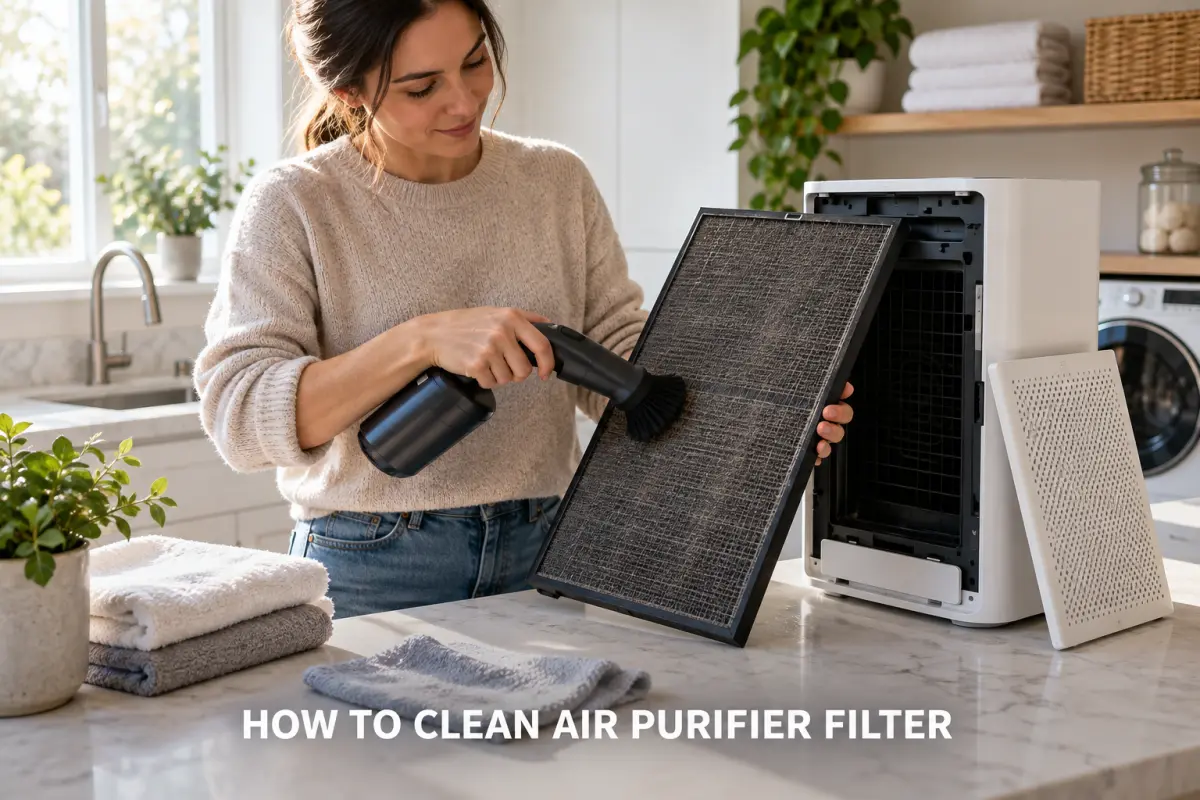
How to Clean Air Purifier Filter: A Complete Step-by-Step Guide
How to clean an air purifier filter starts with knowing what kind of filter you have — pre-filter, HEPA, or carbon.
Read article →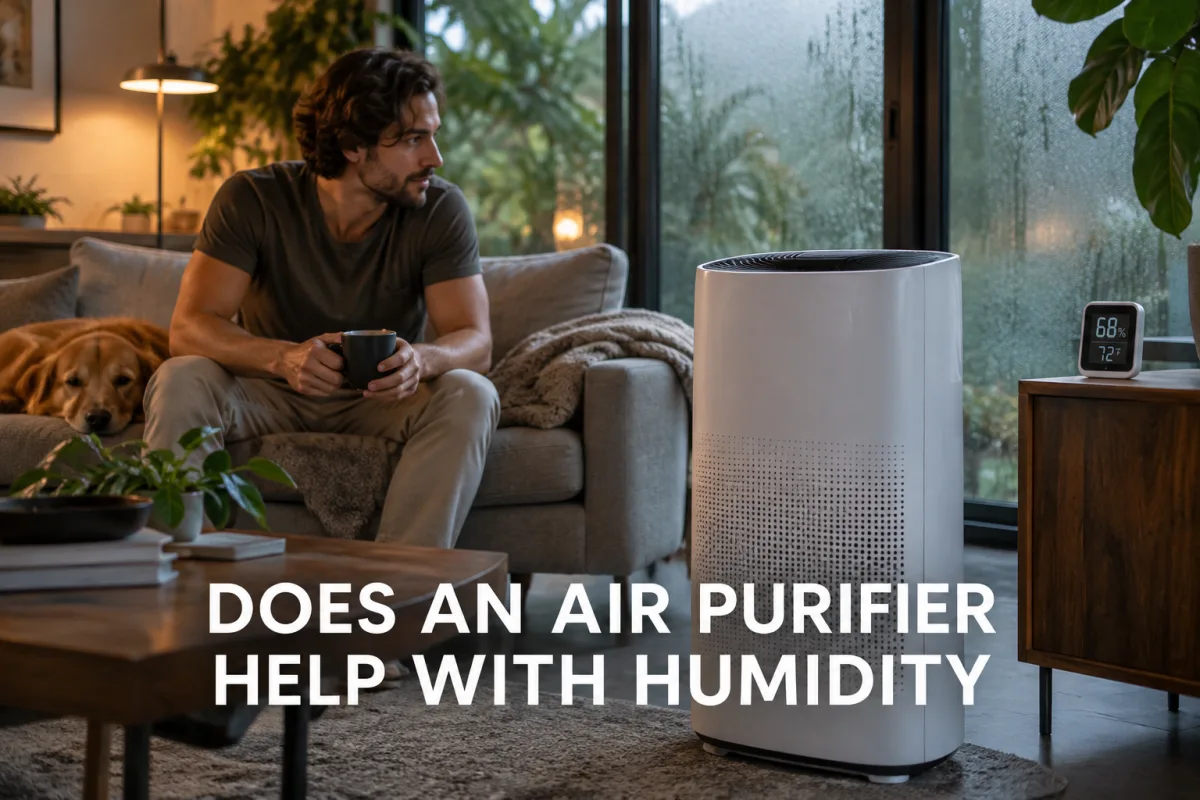
Does an Air Purifier Help With Humidity? What It Actually Does
An air purifier does not change room humidity — what it does do for comfort, mold spores, and damp-air allergens.
Read article →
Is Reverse Osmosis Water Good for You? What the Evidence Shows
Reverse osmosis water is safe to drink for most healthy adults — what the evidence says about minerals, pH, and long-term use.
Read article →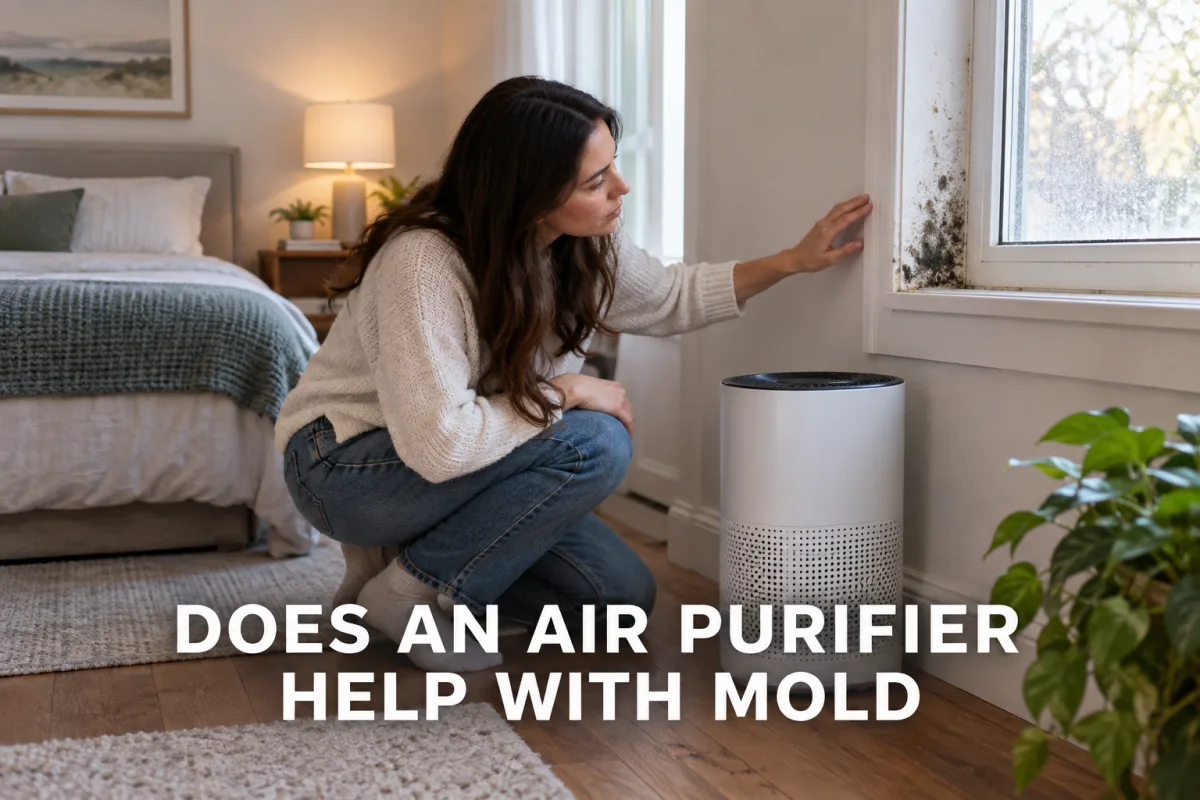
Does an Air Purifier Help With Mold? What the Science Says
An air purifier traps airborne mold spores before you breathe them — provided it has the right filter and enough airflow.
Read article →
Drink Safe: Home Water Quality Solutions
Now let’s turn to water - the other half of the Puritisimo promise. We all expect clean, refreshing water from our taps. Yet many homeowners encounter issues that make them question what’s in that glass of water. From odd tastes and smells to news about contaminants like lead or PFAS, it’s no wonder people are seeking ways to purify their drinking water. Puritisimo is here to help you enjoy water that’s not only safe, but also delicious and worry-free.
Just like with air, the first step is understanding the common water quality problems and their solutions. Here are some of the big ones homeowners face:

What Could Be in Your Water
Most city water utilities add chlorine or chloramine (a chlorine compound) to disinfect the water and kill germs. It’s very effective for public health, but it can leave your water smelling like a swimming pool or tasting a bit off. Some people also find that chlorine dries out their skin or hair when showering. If your water has that bleachy smell or taste, an activated carbon [water filter] is an easy fix. Carbon filters (found in many pitcher filters, faucet attachments, or under-sink units) excel at removing chlorine and chloramine, as well as improving taste and odor. By running your tap water through a carbon filter, you can enjoy fresh-tasting water - no more need to buy bottled water for better flavor. For whole-house treatment (so your showers and washing machine get dechlorinated water too), consider a whole-house carbon filtration system. We have guides comparing portable filters vs. whole-house systems so you can choose what fits your needs and budget.
Have you noticed white chalky spots on your glassware, crusty lime scale on faucets, or soap that doesn’t lather well? That’s classic hard water at work. Hard water contains high levels of calcium and magnesium - not harmful to drink (in fact, those minerals are essential to health), but they sure can create nuisances in the home. Approximately 85% of U.S. homes have at least moderately hard water, so this is a widespread issue. Over time, hard water can clog pipes, reduce water heater efficiency, and leave your laundry less soft. The solution is a [water softener] or conditioner. Traditional water softeners use ion exchange to swap hardness minerals with salt (sodium or potassium), effectively “softening” the water and preventing scale deposits. If you’re concerned about sodium, salt-free conditioners crystallize the minerals so they don’t stick to surfaces. In our water softeners guide, we explain the pros and cons of each method. By treating hard water, you’ll protect your plumbing and appliances, cut down on those crusty deposits, and even enjoy luxuriously sudsy showers and softer laundry.
Lead in drinking water is a serious concern, especially in older homes (built before the late 1980s) that may have lead pipes, lead solder, or brass fixtures. Lead is a toxic metal that can leach into water and accumulate in the body, posing risks to the brain and nervous system, particularly in children. Health authorities maintain that no amount of lead is safe, and the EPA’s goal for lead in water is literally zero. If you suspect lead, you should take immediate steps to reduce exposure. One effective measure is using a point-of-use water filter certified for lead removal. The CDC specifically advises using filters that meet NSF/ANSI Standard 53 for lead reduction - these include certain faucet-mounted filters, pitcher filters, and under-sink systems with special carbon blocks or ion exchange media designed to trap lead. Our [water filters] guide highlights filters that are tested and certified for lead. Additionally, simple habits help: always use cold water for drinking and cooking (hot water leaches more lead from pipes), and flush your tap for a minute in the morning or any time water has been sitting in the pipes for hours. While replacing old lead pipes is the ultimate fix, using the right filter is a critical protective step you can take immediately.
In recent years, there’s been growing concern about PFAS - per- and polyfluoroalkyl substances - nicknamed “forever chemicals” because they persist in the environment and human body. These man-made chemicals (used in non-stick cookware, firefighting foam, etc.) have made their way into some water supplies and have been linked to health issues. According to research by the EPA, advanced filtration methods like granular activated carbon (GAC) filters, ion exchange (IX) resins, and reverse osmosis (RO) systems can greatly reduce PFAS levels in drinking water. What does this mean for a homeowner? Essentially, high-quality [water filters] and reverse osmosis systems are effective options. A countertop or under-sink filter with the right certifications can strip out a broad range of chemical contaminants. Reverse osmosis, in particular, is a powerhouse: it pushes water through a semi-permeable membrane, removing everything from tiny microplastics to heavy metals and PFAS, resulting in exceptionally pure water. With the proper system in place, you can drink confidently, knowing your water is free of those worrisome “forever” chemicals and more.
Every home is unique, and you might face other water quality issues. Perhaps your water is acidic (corrosive) and you notice blue-green stains from copper pipes - a neutralizer or calcite filter can help. Maybe you rely on well water and are concerned about bacteria or nitrates - UV purifiers (for microbes) and specialty cartridge filters can address those. You could even just be after better tasting water, free of the “funk” that sometimes comes from local water sources. Rest assured, Puritisimo has you covered: we provide guidance on a wide range of water treatment options, from sediment pre-filters to remineralization cartridges (for adding healthy minerals back in). If it’s an issue affecting home water, we’ll help you understand it and solve it.
Water Treatment Devices: What’s Out There
By now, you might be wondering what types of solutions or products are out there to improve water quality. Here’s a quick overview of common water treatment devices and how they help:
Easiest to use, these are small [water filters] you either attach to your faucet or use as a pour-through pitcher. They typically contain activated carbon and sometimes additional resin to capture contaminants. They’re great for improving taste (removing chlorine) and can remove some heavy metals and organic chemicals. They’re budget-friendly and don’t require installation - perfect for renters or those just dipping their toes into water filtration. We review popular models (like Brita, PUR, and others) and explain what each can and can’t do.
These include reverse osmosis systems and multi-stage filters that install under your kitchen sink (with a dedicated faucet) or sit on the counter. They offer more thorough filtration than pitchers. Reverse osmosis is one of the most comprehensive solutions - many systems have 3-5 stages, including sediment filters, carbon filters, the RO membrane, and sometimes a post-filter. They can remove lead, arsenic, PFAS, nitrates, bacteria (if paired with UV) - essentially providing bottled-quality water on tap. Under-sink filters without RO are also available if you want to target specific issues like chlorine, lead, and VOCs without removing minerals. Our reverse osmosis vs. filtration article breaks down the differences so you can decide which fits your needs. If you want an all-in-one solution for drinking and cooking water, these systems are the way to go.
Unlike point-of-use filters (which treat water at one faucet), whole-house filters (point-of-entry systems) treat all the water entering your home. These are installed on your main water line. They come in different types: whole-house carbon filters to remove chlorine and organics from every tap, sediment filters to catch rust or dirt (great for well water or old pipes), and even whole-house iron or sulfur filters if you have those specific well water issues (rotten egg smell, etc.). Some setups combine these into a series of big filter tanks. The benefit is comprehensive improvement - your shower, washing machine, and dishwasher all get the treated water, not just your kitchen sink. If you’re dealing with pervasive water quality issues, a whole-house system offers convenience and protection for your plumbing.
We discussed hard water above - the solution is a [water softener] for true softening or a conditioner for an alternative approach. These typically treat the water as it enters the house. Traditional water softeners use salt; you’ll have a brine tank that you occasionally top up with softener salt. Newer alternatives (salt-free systems) don’t eliminate hardness but prevent scale. If limescale is your primary issue, a softener will give you the most noticeable results (no more crusty faucets or soap scum). Installing a softener can also extend the life of your water heater and appliances by preventing mineral buildup inside them. In our guides, we explain maintenance and also cover portable or magnetic conditioners that some people use in apartments or RVs. Soft water vs. hard water is a game-changer for many - your skin and hair might feel softer after bathing, and you’ll use less soap and detergent too.
Depending on your situation, you might need an extra unit for specific contaminants. UV purifiers use ultraviolet light to kill bacteria and viruses - excellent for private wells or if you’re immunocompromised and want that layer of safety. Iron filters (often using air injection or greensand media) remove iron and manganese that stain fixtures. pH neutralizers treat acidic water. We won’t go into the weeds here, but know that whatever your water test reveals, there’s likely a solution. We have resources on these specialized systems, and we always recommend starting with a water test if you suspect an issue - it’s the sure way to target the exact fix needed.
To sum it up, clean, healthy water is within reach. Whether you’re sipping a glass of water, brewing coffee, or showering, you deserve water that’s pure and gentle. No scare tactics, no one-size-fits-all - just practical solutions for your home. With the right approach, you’ll soon trust every drop that comes out of your tap.

Our Expertise & Promise to You
At Puritisimo, we take pride in being a calm, trustworthy guide in the sometimes confusing world of home improvement. We know there are countless products out there claiming to be the best air purifier or the ultimate water filter. Our approach is different: we start with the science and real expert guidance. We sift through recommendations from agencies like the EPA and CDC, consult scientific studies, and even tap into professional guidelines (for example, what allergists suggest for managing asthma, or what water quality engineers say about filter performance). Then we translate all that into plain English with a friendly, no-nonsense tone. Think of us like a knowledgeable neighbor who also happens to have done all the homework!
Content written and reviewed by individuals with experience in environmental science, home inspection, or public health - so you get accurate, up-to-date information.
If we recommend a solution, we tell you why - citing reputable sources or our own testing. EPA advice, CDC guidance, NSF standards: all referenced so you can verify.
We’re homeowners too. If an expensive system isn’t necessary for your situation, we’ll say so. Our promise is to empower you to make the best choice for your home and family.
Expertise, Experience, Authoritativeness, Trustworthiness - Our content is written and reviewed by individuals with experience in environmental science, home inspection, or public health, ensuring that you get accurate and up-to-date information. If we recommend a solution, it’s because we truly believe it will help you. And we’ll tell you why - citing reputable sources or our own testing results. For instance, if we say a HEPA filter captures wildfire smoke, we’ll reference the EPA/CDC advice that backs it up. If we discuss reducing lead in water, we’ll mention the certified standards and what health agencies advise. We want you to feel confident that Puritisimo has done its due diligence.
At Puritisimo, we’re homeowners too, after all. We’ve dealt with our own smoky summers, rusty well water, allergy seasons - so we get it. Our promise is to remain customer-friendly and empathetic. If there’s ever a term or concept that seems technical, we’ll break it down. If a certain expensive system isn’t necessary for your situation, we’ll say so and suggest a simpler fix. We’re not here to upsell; we’re here to empower you to make the best choice for your home and family.
Finally, we’re continuously updating our knowledge. Environmental guidelines change (for example, new EPA regulations on PFAS in drinking water are emerging), technology advances (today’s air purifiers are quieter and smarter than those a decade ago), and new challenges arise (hello, increased wildfire seasons). You can count on Puritisimo to stay on top of these trends. We regularly update our guides and recommendations so you’re always getting current information. By staying informed and adaptable, we ensure that our advice remains relevant and effective for whatever air or water issues come your way.

Dusan Stanar, Assistant Researcher in Chemistry, Founder of Puritisimo
Dusan Stanar trained as an assistant researcher in chemistry, where source verification and data analysis are the foundation of the work, not optional steps. For the past decade he has applied those same skills in SEO: researching product claims, tracing them to primary sources, and separating what the evidence actually shows from what the marketing states. That combination of scientific training and a decade of research-driven SEO is what sets the standard for how every claim on this site is handled.
That is the standard Puritisimo is built on. Every product claim on this site is checked against the original source before it is published. NSF certification databases, EPA drinking water standards, independent laboratory test results, and peer-reviewed studies are the starting point, not secondary summaries. If a filter is certified to reduce lead, this site links to the certification record. If a claim cannot be verified against a primary source, it does not appear here.
Dusan is a homeowner and a father of three. His home runs on an under-sink reverse osmosis system. The filters get replaced on schedule, the TDS readings get checked, and the product decisions on this site are the same ones he has worked through for his own household. That is what keeps the standard 100% honest.
Read the full story behind Puritisimo →
Ready to Create a Healthier Home?
Improving your home’s air and water quality is a journey - and you’ve already taken the first step by seeking information. From here, let us help you take the next steps with confidence. Feel free to explore our guides and resources on the site. Not sure where to start? Here are a few ideas:
- Dive into our [Air Purifiers] section if indoor air pollutants are your main concern - you’ll find reviews of top models and tips on maximizing their benefit.
- Check out the [Water Filters] and [Water Softeners] pages to see which systems align with your water issues (be it chlorine, hard water, or contaminants). We even have comparisons like “Reverse Osmosis vs. Carbon Filters” to help you choose.
- Concerned about a specific pollutant? Perhaps you’re worried about VOCs from a recent renovation or the effects of mold in a damp area - we have dedicated articles on those too. Use our site’s search or browse by category to find tailored advice.
- If you’re a knowledge buff, don’t miss our explanatory pieces - like “Understanding Indoor Air Quality” or “How to Read Your Water Quality Report” - these will deepen your understanding and might reveal issues you weren’t even aware of.
Every homeowner’s situation is unique, and there’s no one-size-fits-all solution. That’s why Puritisimo serves as a portal: guiding you to the information or product category that best fits your needs. Our long-scroll homepage here is just the start, giving you a bird’s-eye view of the problems we solve. When you click through to a specific section, you’ll get the in-depth scoop and personalized tips.
We’re excited to be your partner in creating a purer home. Remember, even small improvements - like running a purifier in the bedroom or using a filter pitcher - can deliver noticeable benefits. It might be the difference between a night of sniffles and a good night’s sleep, or between lugging home bottled water and trusting the flow from your tap.
Take a deep breath and a sip of water - you deserve to enjoy both. With Puritisimo’s expertise by your side, a cleaner, healthier home is well within reach. Let’s make your indoor air and water the best they can be, so you and your family can live well every day. Here’s to smarter decisions and a purer life at home!