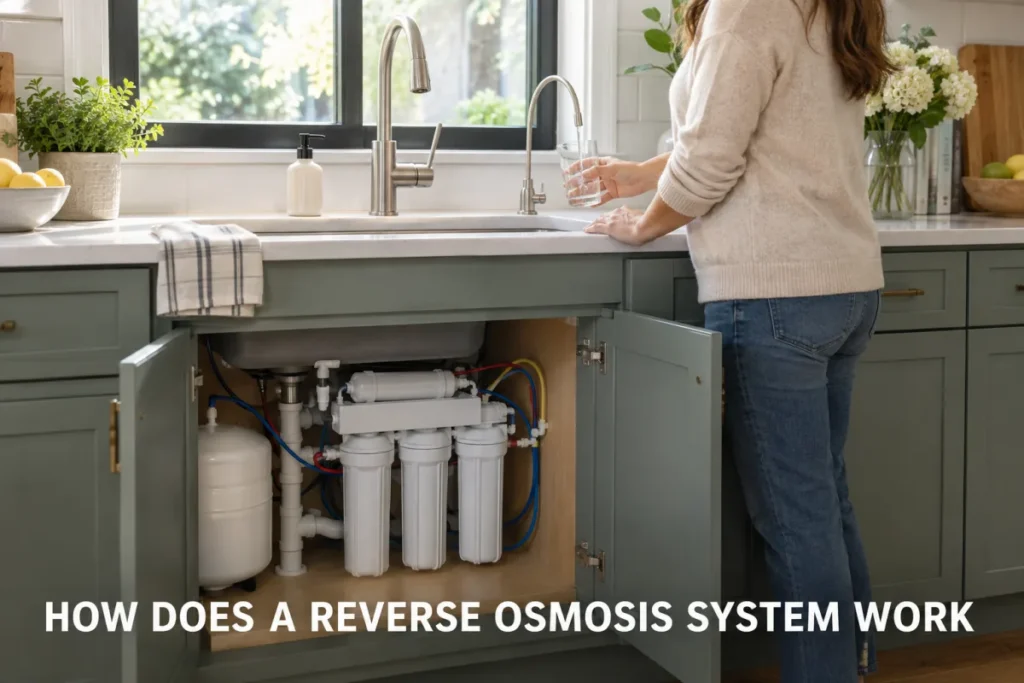

Filtering water while camping comes down to three moves. Pick a clear source. Run it through a filter rated for bacteria and protozoa (microscopic parasites like Giardia). Add a backup disinfection step if the water looks doubtful. A squeeze filter, pump, or gravity system covers most trips, while boiling or purification tablets fill the gaps a mechanical filter cannot reach. Get the sequence right and backcountry water becomes about as safe as your kitchen tap.

By the end, you will know the real difference between a filter and a purifier. You will know which type fits your kind of trip. You will also know the one mistake that leaves people assuming any filter blocks everything the water might carry, no matter the source.
Key Takeaways
- Scout a clear water source, run it through a filter, then add backup disinfection if the source is unsafe.
- Mechanical filters remove bacteria and protozoa like Giardia but let viruses and dissolved chemicals pass through.
- A rolling boil for one minute, three minutes above 6,562 feet, kills each waterborne pathogen including viruses.
- Pre-filter cloudy water before the cartridge and clean your filter often to stop clogging and bacterial buildup.
How to Filter Water While Camping in 6 Simple Steps
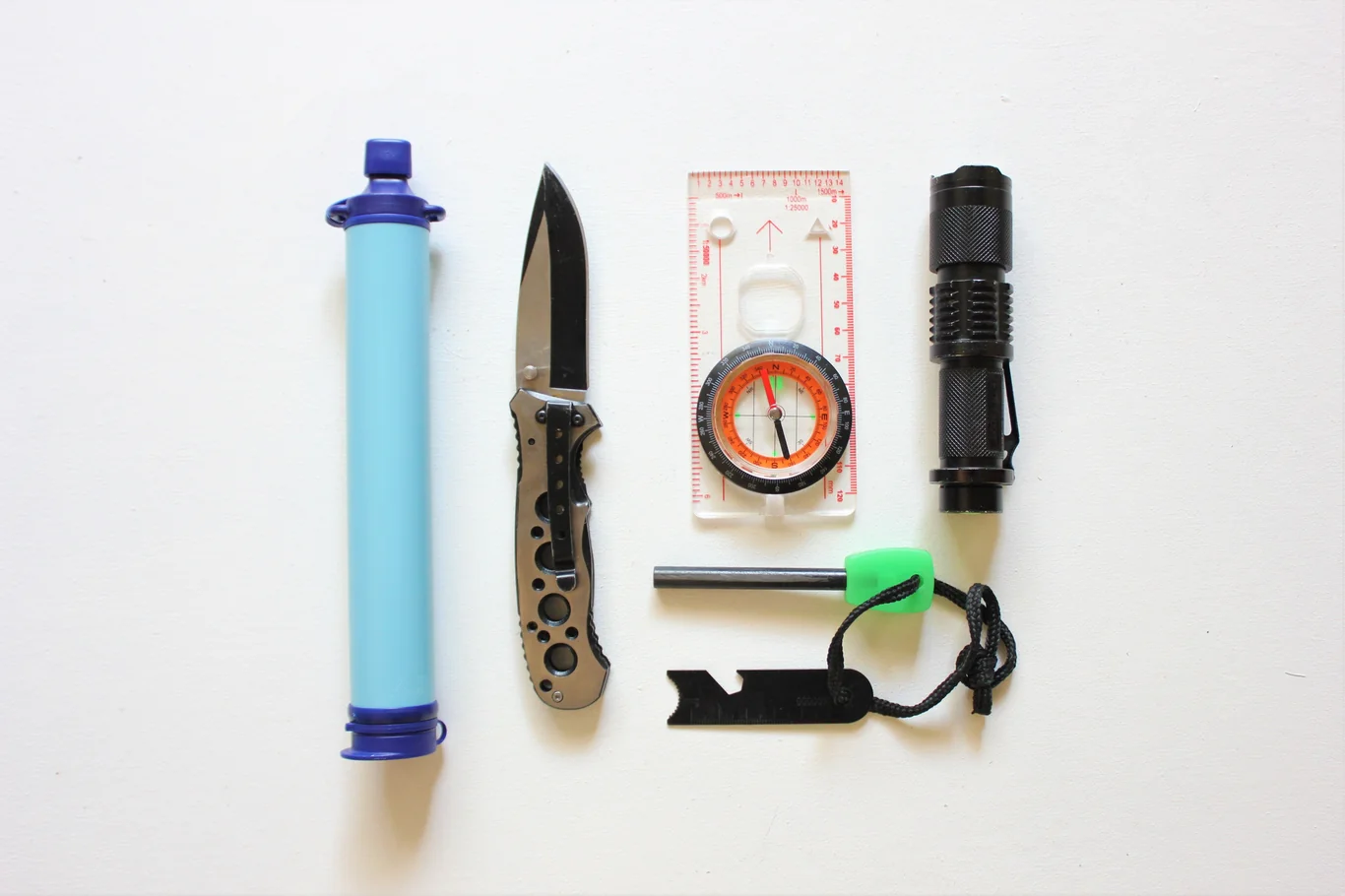
Mechanical filtration strains bacteria and protozoa out of water as it passes through a screen or cartridge. A backup disinfection step kills or inactivates whatever slips through the mesh.
The CDC ranks boiling as the most trusted backcountry method. Filtering the water and then adding a backup disinfection step is the next-best choice when a fire or stove is not an option.
Products labeled to NSF/ANSI P231 meet the formal purifier standard, a 99.99 percent virus reduction requirement.
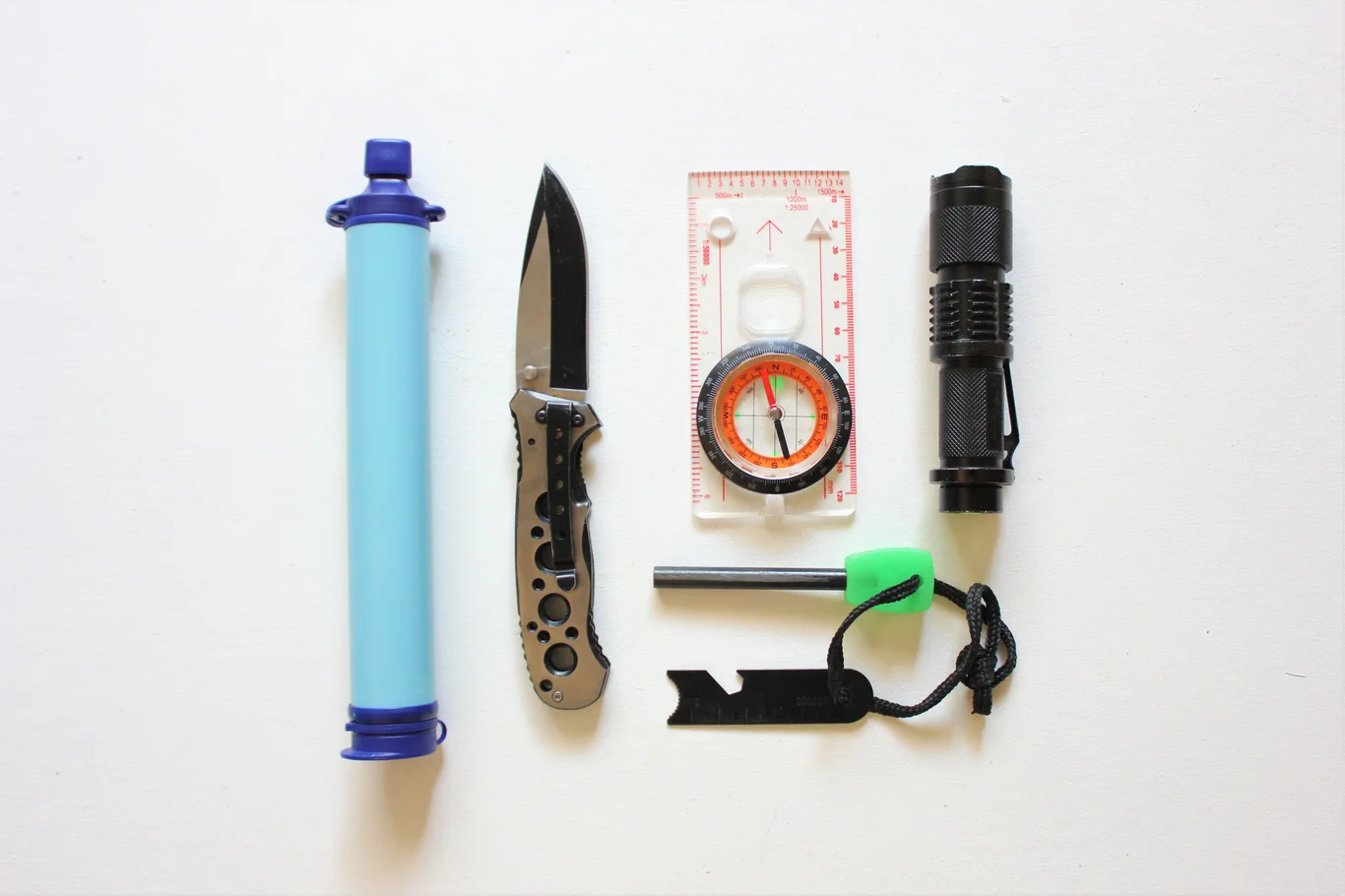
A hollow-fiber straw filter like this removes Giardia and Cryptosporidium at a very high rate.
- Scout the source. Choose moving water over still ponds or puddles, and avoid spots near livestock, trailheads, or campsites.
- Pre-filter cloudy water. Strain visibly silty or debris-heavy water through a bandana or coffee filter before it reaches your cartridge.
- Run it through your filter. Push, pump, or gravity-feed the water through a filter rated for bacteria and protozoa.
- Add backup disinfection if needed. Boil, use a chemical tablet, or run a UV pen on any water that still looks or smells unsafe.
- Store it clean. Move filtered water into a container that has not touched untreated water, and cap it right away.
- Watch your flow rate. A slow or clogging cartridge is telling you it needs backflushing or replacing soon.
Types of Camping Water Filters and Which One Fits Your Trip
Camping water filters mostly fall into four types: squeeze, pump, gravity, and straw or bottle filters. All four force water through a fine membrane to trap bacteria and cysts. They differ in weight, speed, and how much work they take to use. Gravity systems need no pumping at all. That is why groups camped in one spot for several days often prefer them over a squeeze or pump.
The countertop gravity filter format used in backcountry base camps also serves as a no-plumbing home option; my Royal Berkey gravity filter review covers a stainless-steel gravity unit tested for that dual-use home and outdoor scenario.
A camping water filter pump works by drawing water through a hose and pushing it through an internal cartridge by hand. That makes it a strong choice for filling multiple bottles or a group’s water bag from a shallow or silty source. The trade-off is weight and upkeep. Pump cartridges clog faster in cloudy water and need more frequent cleaning than a squeeze or gravity filter’s membrane.
Here is how the four types compare on speed, weight, and upkeep:
| Type | Flow Speed | Weight | Best For | Maintenance |
| Squeeze | Moderate | Very light | Solo, ultralight trips | Rinse cartridge after each trip |
| Pump | Fast | Heaviest | Groups, silty water | Clean or replace cartridge often |
| Gravity | Fast, hands-free | Moderate | Basecamp, groups | Backflush between trips |
| Straw or bottle | Slow, sip-only | Lightest | Solo, emergency backup | Limited cleaning options |
What Camping Water Filters Actually Remove (and What They Miss)
Most camping filters use a hollow-fiber membrane (a bundle of straw-thin tubes with microscopic pores) or a ceramic element. Pore sizes run from about 0.1 to 0.2 microns (a unit so small that a human hair measures around 70 microns across). That is small enough to catch Giardia and Cryptosporidium. Those two protozoa cause an estimated 415,000 and 322,000 illnesses a year in the United States. A filter has to clear a 99.9 percent removal benchmark for Giardia to count as effective.
Viruses are smaller still, often between 0.02 and 0.3 microns, so some slip straight through a mechanical filter’s pores. That gap is exactly why the right way to filter water while camping pairs a mechanical filter with a backup step. This matters whenever the source looks doubtful. Products certified to the NSF/ANSI P231 standard for microbiological purifiers must show a 99.99 percent virus reduction. That is a bar standard filters are never tested against. Cryptosporidium adds another wrinkle: it resists chlorine-based disinfection, so a chemical tablet alone is not a reliable backup against it.
Camping filters do not desalinate water either. Salt is a dissolved solid, not a pathogen. Only reverse osmosis (a membrane fine enough to block salt) removes it. Boiling and mechanical filters leave salt in place.
- Bacteria: common waterborne bacteria such as E. coli and Salmonella, both stopped by the membrane’s small pore size.
- Protozoan cysts: Giardia and Cryptosporidium, the organisms responsible for most backcountry stomach illness.
- Sediment and cloudiness: suspended dirt and organic debris that a pre-filter or the main cartridge traps before it reaches your bottle.
- Viruses and dissolved chemicals: both pass through untouched, which is why source selection and a backup step still matter.
Backup and Alternative Purification Methods: Tablets, UV Pens, and Boiling
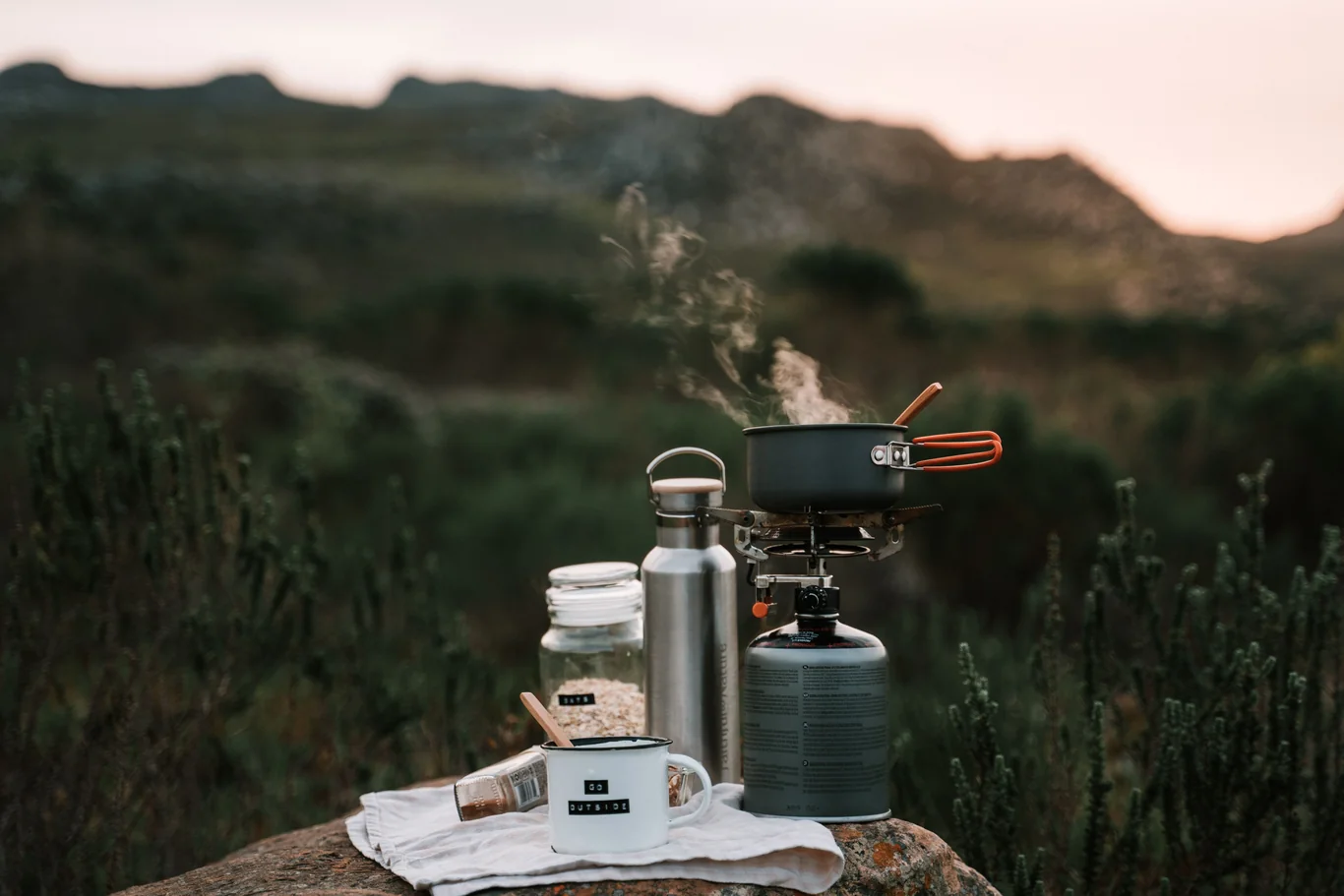
When a mechanical filter is not enough on its own, three backup methods cover the gap: chemical tablets, UV pens, and boiling. Each works differently, so knowing the trade-offs helps you pick the right one for a given trip.
Chlorine dioxide tablets kill bacteria and most viruses within about 30 minutes and are the lighter, more common choice for backpackers. They are less reliable against Cryptosporidium, since the parasite resists chlorine-based disinfection even with a longer wait.
UV pens (battery-powered devices that pass ultraviolet light through the water to disable a pathogen’s DNA) work fast in clear water. They struggle in anything cloudy, since suspended particles block the light from reaching each organism. A dead battery in the backcountry also leaves you with no backup at all.
Boiling remains the most reliable single method because heat kills bacteria, protozoa, and viruses alike, with no membrane or battery involved. The CDC recommends a rolling boil for one minute, extended to three minutes above 6,562 feet (2,000 meters). Water boils at a lower temperature at that altitude. Heat also does not depend on pore size, so it works even against contamination too fine for any cartridge to catch. These same methods work when traveling too. International tap water often carries different pathogens. Pack tablets or a UV pen for hotel stops. Bottled water is not always the safer choice.
Choosing and Pre-Filtering Your Water Source in the Backcountry
Source selection matters as much as the filter itself. Moving water, streams and rivers, mostly carries a lower contaminant load than a still pond or puddle. Neither is safe to drink untreated. Untreated surface water in the backcountry cannot be assumed safe regardless of how clear it looks.
Avoid drawing water near livestock grazing areas, popular trailheads, or anywhere runoff collects after rain, since these spots concentrate bacteria and parasites. If the water looks visibly cloudy or silty, run it through a bandana or paper coffee filter first. This pre-filter step protects your main cartridge from clogging and extends how long it lasts between cleanings. It takes about thirty seconds. It can be the difference between a full day of clean water and a cartridge that clogs by lunch.
Clear, cold snowmelt is not automatically safer than a muddy river. It can carry the same Giardia cysts if animals or previous hikers pass upstream. Treat it the same way you would treat any other backcountry source.
Choosing, Cleaning, and Maintaining a Camping Water Filter
Choosing the right filter starts with your trip, not the gear wall. Solo and ultralight trips favor a squeeze or straw. Groups favor a gravity system, and murky rivers call for a pump with a washable element you can clean without tools.
Back home, a certified pitcher filter covers the same solo filtered-drinking-water use case without any backcountry handling; my Waterdrop PT-07B pitcher review covers an NSF/ANSI 42 certified pitcher option suited to single-tap home use.
Cleaning matters as much as choosing. Backflushing (running clean water through the cartridge in reverse to push trapped debris back out) after each trip keeps flow rate up. It also prevents mineral buildup. A sudden drop in flow or a musty smell usually means it is time to backflush or replace the cartridge. For the full walkthrough, see how to clean a camping water filter.
Many backcountry filters double as a compact portable water filtration system for home emergencies. The same hollow-fiber cartridge that clears a mountain stream also works on tap water during a boil-water advisory. The same basics for how to filter water at home apply on the trail. That is why several campers keep one in an emergency kit as well as a pack.
How We Research
We check every claim against primary sources. Federal agencies like the EPA and CDC come first. Certification bodies like NSF and AHAM come next. We verify each standard number against the issuing body. We review this guide on a set schedule.
Why Trust This Guide
Puritisimo covers only water and air quality. Our guidance is editorial and independent. We cite every health figure so you can check it. We never present a promotional claim as fact.
Getting Water Right on Your Next Trip
The right setup depends less on brand names than on trip type. Match the filter to the water in front of you, then take the virus gap seriously if the source sits below a town, farm, or trailhead.
For household use after a camping trip or when switching back to tap water at home, my best water filter pitcher guide covers the top certified options for daily countertop filtration.
Readers still comparing options can start with our guide on how to choose a water filter for camping. It breaks the trade-offs down by trip type. None of it has to be hard. A clear source, a filter rated for protozoa and bacteria, and a backup step when the water looks unsafe cover nearly every scenario. That combination, more than any single piece of gear, is really what filtering water while camping comes down to.
Frequently Asked Questions
How to filter water while camping
The short version of filtering water while camping is to pick the clearest available source. Run it through a filter rated to remove bacteria and protozoa. Add a chemical tablet, UV pen, or boil as backup when the source looks unsafe. Moving water is mostly a safer starting point than a still pond. Store treated water in a clean, sealed container to avoid recontaminating it.
What is the best way to purify water while camping?
Purifying water means killing or removing viruses in addition to bacteria and protozoa, which a standard mechanical filter is not required to do. The most trusted approach pairs a hollow-fiber or ceramic filter with a backup step, boiling, a chlorine dioxide tablet, or a UV pen. That way nothing gets through. Products labeled to NSF/ANSI P231 meet the formal purifier standard, a 99.99 percent virus reduction requirement.
Can you really drink any water with a LifeStraw?
No. A hollow-fiber straw filter like this removes Giardia and Cryptosporidium at a very high rate. It does not remove viruses or dissolved chemicals, so the water source still matters. Draw from moving water away from livestock or heavy trail traffic, and add a backup step if you suspect industrial or agricultural runoff.
How do hikers filter water?
Most hikers rely on one of four filter types: squeeze filters, pump filters, gravity systems, or straw-style bottles. Solo and ultralight hikers usually carry a squeeze or straw filter because they are light and fast. Larger groups often set up a gravity system that treats several liters at once with no pumping required.
What is the best water filtration for camping?
The best choice comes down to trip type rather than one universal answer. A solo or ultralight trip favors a squeeze or straw filter. Car camping or a group trip favors a gravity system. Silty rivers call for a pump filter with a washable element you can clean in the field. Match the gear to the water source, not the other way around.
References
- CDC. Waterborne Disease in the US: Estimated Annual Cases of Giardiasis and Cryptosporidiosis. 2024.
- EPA. National Primary Drinking Water Regulations. 2024.
- NSF. Standards for Water Treatment Systems. 2024.
- CDC. About Water Treatment Options When Hiking, Camping, or Traveling. 2024.
Medical Disclaimer: This content is for informational purposes only. It is not a substitute for professional medical advice, diagnosis, or treatment. If you have concerns about your water quality or air quality and their effects on your health, consult a qualified healthcare professional.