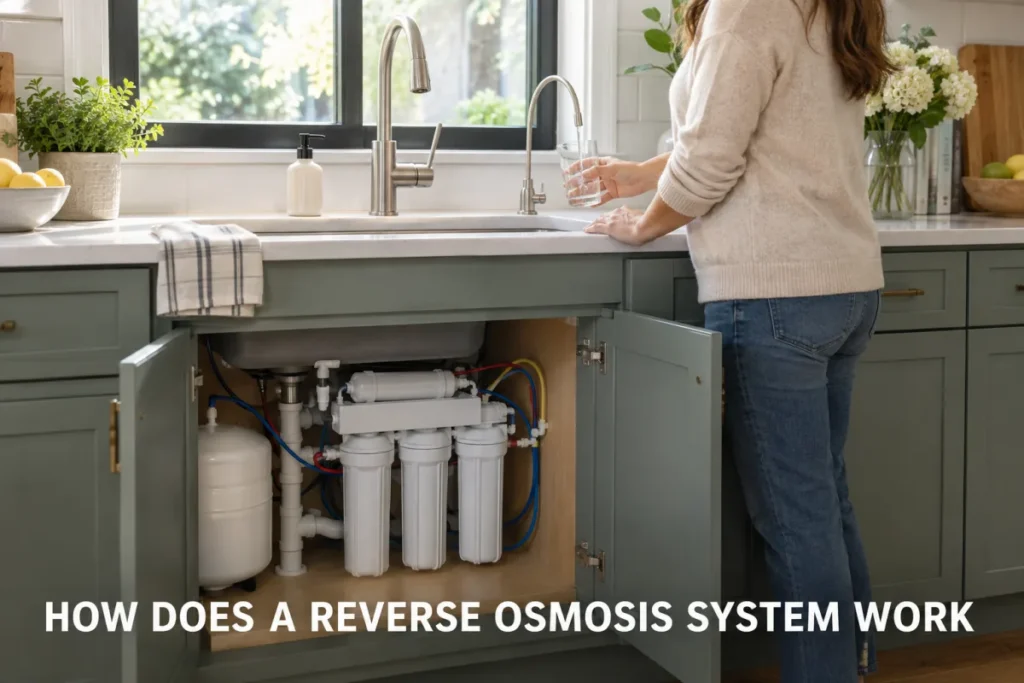

Filtering water comes down to matching the removal method to what’s actually in it. That could be sediment, chlorine taste, dissolved metals, or disease-causing germs. No single filter removes every contaminant type, so finding the problem always comes before picking a device. A basic pitcher filter handles chlorine and taste. Reverse osmosis strips dissolved solids and heavy metals. Boiling kills pathogens but leaves chemicals behind.
A whole-house sediment cartridge slots between a pitcher and a full RO system in cost and coverage; my PUREPLUS review covers NSF 42 certified filtration at the whole-house entry point.

By the end, you’ll know the four main filter categories. You’ll know how to match one to what’s actually in your water. You’ll also know the no-filter methods that work in a pinch. That covers everything from carbon and reverse osmosis to boiling water on a stovetop. Each approach solves a different problem.
Key Takeaways
- Test your water before buying a filter, since no single filter removes every kind of pollutant.
- Look for NSF/ANSI 53 certification, not a generic NSF label, for verified lead and cyst reduction.
- Reverse osmosis removes roughly 90-96% of dissolved solids, more than any other home method.
- A rolling boil for one full minute kills nearly all disease-causing germs without any filter.
How to Filter Water: The Basic 4-Step Process
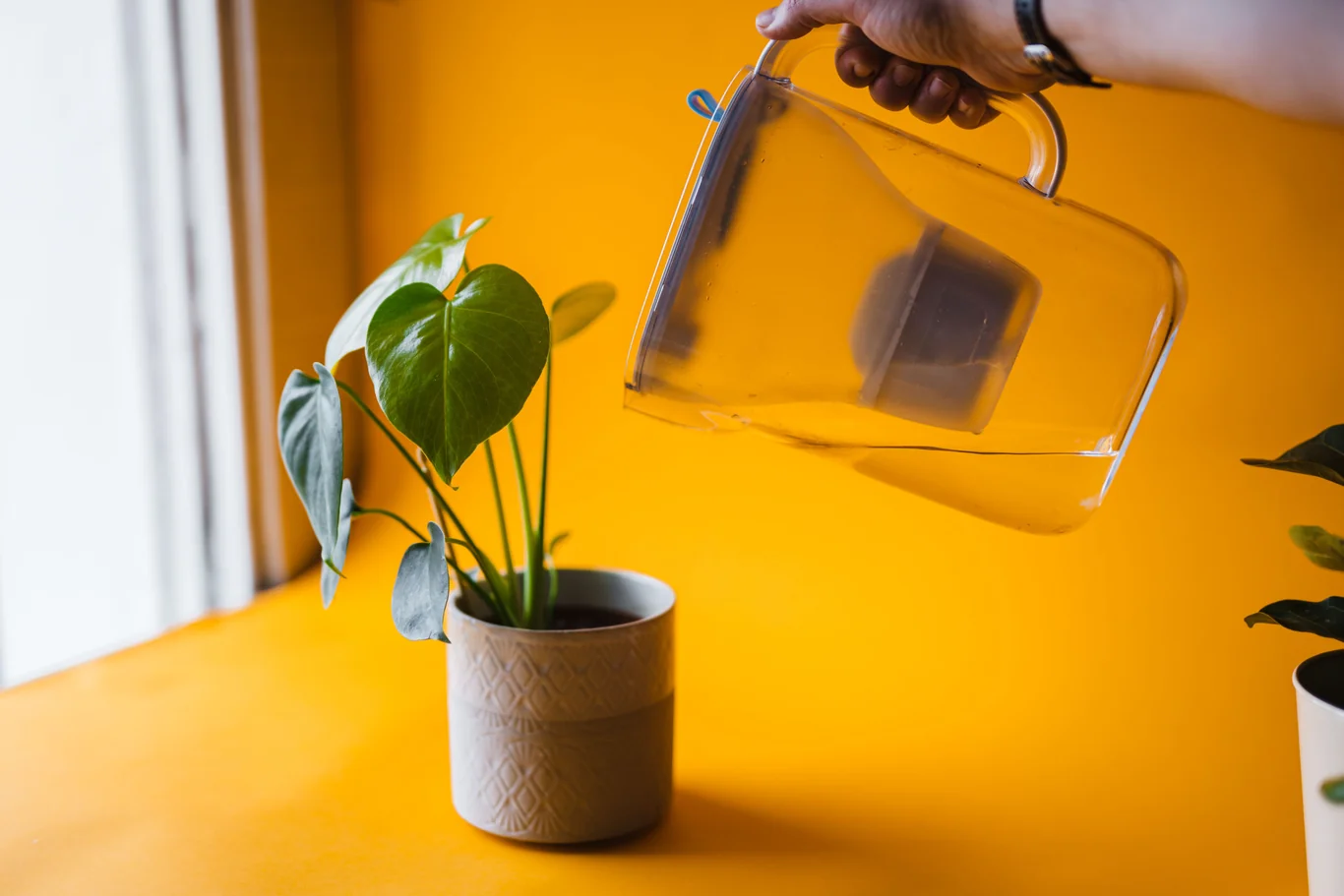
Every filtration method traps, pulls out, or kills whatever is dissolved or suspended in the water. It does this with a physical barrier, a chemical media bed, or UV light.
Getting this right starts with knowing what you’re dealing with. The CDC estimates 7.15 million waterborne illnesses occur in the U.S. every year. That’s exactly why you need to know what’s actually in your water before picking any filter.
A 6-stage under-sink RO system certified to NSF/ANSI 58 is the highest-coverage home option when that test returns dissolved lead, arsenic, or PFAS; my iSpring RCC7AK review covers the alkaline-remineralization variant of that format.
An NSF-certified carbon filter covers chlorine and taste.
- Test your water. Use a certified lab test or an EPA-approved home kit to find out what’s actually in it. Look for sediment, chlorine, lead, bacteria, or dissolved solids.
- Match the filter to what you found. Carbon handles chlorine and taste. Reverse osmosis handles dissolved solids and metals, and UV handles pathogens.
- Choose the right scale. Pick a point-of-use filter, a pitcher, faucet-mount filter, or under-sink unit, for drinking water only. Or choose a point-of-entry, whole-house system for every tap in the home.
- Install it and set a replacement schedule. Follow the manufacturer’s install steps. Then set a reminder for the filter’s rated gallons or months, whichever comes first.
The Main Types of Water Filters, Compared

You’ll run into three basic filtering methods at home. They are physical straining, chemical adsorption, and targeted disinfection. Activated carbon is what you’ll find in most pitchers and refrigerator filters. It pulls chlorine, odors, and some organic chemicals onto a porous carbon surface. That’s the same process behind how a charcoal filter works. Reverse osmosis (RO) forces water through a semipermeable membrane. It’s fine enough to block dissolved solids and most metals. Ultraviolet (UV) purification works differently. It uses light, not a physical barrier, to kill bacteria and viruses.
Certification claims are not all the same. Check the standard number, not just the NSF label. NSF/ANSI 53 (an independent certification standard that verifies tested pollutant reduction) confirms a filter reduces specific health-effect pollutants. Lead and cryptosporidium cysts are examples. NSF/ANSI 42, by contrast, covers taste and odor only. It carries no verified health claim behind it. The CDC says to choose a filter certified to NSF/ANSI 53. That applies when lead reduction is the goal.
Ceramic filters use a rigid, porous shell. Their pores run as small as 0.2 microns (a micron is about 1/100th the width of a human hair). That’s fine enough to strain out bacteria and protozoa by size alone. That makes them reliable backcountry picks, covered further in our guide to filtering water while camping. Even so, they do nothing for dissolved chemicals. Sediment filters are a coarser first stage. They trap sand, rust, and silt before water reaches a finer filter downstream.
Here’s how the five approaches compare on what they actually remove:
| Filter Type | Removes Bacteria & Viruses? | Removes Chemicals & Metals? | Best For |
| Activated Carbon | No | Partial (chlorine, some organic chemicals) | Taste, odor, and chlorine |
| Reverse Osmosis | Yes (with pre- and post-filter stages) | Yes (90-96% of dissolved solids) | Comprehensive contaminant reduction |
| UV Purification | Yes | No | Pathogen kill, not chemical removal |
| Ceramic | Yes (bacteria, protozoa) | No | Backcountry and emergency use |
| Sediment | No | No (particulate only) | Pre-filtering sand and rust |
How Reverse Osmosis Filters Water
Understanding how reverse osmosis filters water starts with the membrane itself. A semipermeable membrane has pores small enough to block dissolved salts, heavy metals, and most pollutants. Water molecules still pass through, just far fewer of everything else. Reverse osmosis is filtration in reverse. Normal osmosis moves water toward the side with more dissolved solids, and RO pushes it back the other way.
Households that want simpler point-of-use filtration without a storage tank can compare a faucet-mount alternative in my PUR Plus tap filter review.
If you install a residential system, expect three to five stages. A sediment pre-filter and one or two carbon stages protect the membrane from chlorine. That happens before the water reaches it. NSF/ANSI 58 requires certified systems to reach at least a 75% reduction. That reduction applies to total dissolved solids (TDS, the minerals and metals dissolved in water). Most certified systems perform closer to 90-96% in practice.
My iSpring RCC7 RO review covers how that TDS reduction holds up in everyday use and what the certification behind it actually verifies.
That performance comes with a trade-off. RO systems send several gallons of wastewater down the drain for every gallon produced. The membrane itself often needs replacing every two to three years. That’s well after your carbon pre-filters or post-filters do.
How to Filter Fluoride and Salt Out of Your Water
Fluoride and dissolved salt are both ions rather than particles. That’s why they need a different kind of filter than sediment or chlorine does. The EPA sets an enforceable maximum contaminant level (MCL, the highest concentration legally allowed) of 4 mg/L for fluoride. A separate, non-enforceable guideline of 2 mg/L is meant to limit dental fluorosis in children.
Four common methods handle these differently:
- Reverse osmosis: removes both fluoride and sodium/chloride by forcing water through a membrane fine enough to block dissolved ions. It typically removes 85-92% of fluoride.
- Activated alumina: a special filter material built for fluoride removal, often used as a targeted cartridge stage instead of a whole-house system.
- Distillation: boils water, then cools the steam back into liquid, leaving fluoride, salt, and other dissolved solids behind in the boiling chamber.
- Standard activated carbon: does not remove fluoride or salt at all. Many people assume it does, since carbon handles chlorine and organic chemicals so well.
If you’re shopping for one system, reverse osmosis is usually the practical choice. It handles fluoride, salt, and most other dissolved contaminants at once. Activated alumina is a narrower fix, worth adding only when fluoride is your main concern. Households whose main priority is no installation and full portability can also look at gravity-fed systems; my Royal Berkey gravity filter review covers what that format delivers and where it falls short.
Do it for at least one minute (three minutes above 5,000 feet elevation) to kill disease-causing germs.
How to Filter Water Naturally, Without Electricity or a Store-Bought Filter
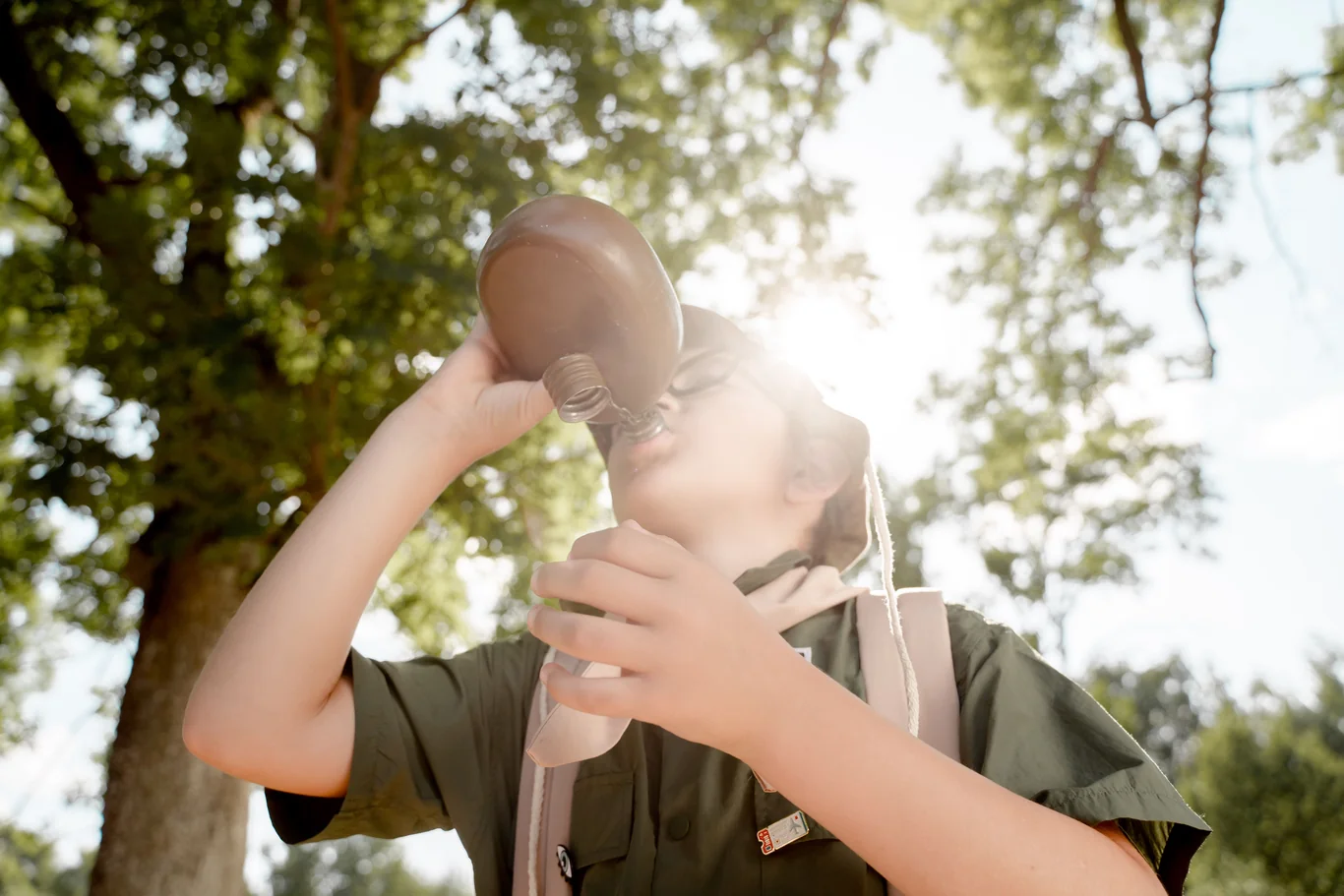
Boiling is the most reliable method that needs no equipment at all. If you’re without a filter, the EPA says to do a rolling boil. Do it for at least one full minute (three minutes above 5,000 feet elevation) to kill disease-causing germs. In practice, most pathogens die within seconds at that temperature, so the extra time just builds in a margin of safety.
Boiling has one limit worth naming directly: it kills living germs but does nothing to remove dissolved chemicals, lead, or other heavy metals. Those simply stay in the water as it cools. A DIY layered filter, alternating sand, crushed charcoal, and cloth, can clear sediment and larger particles before you boil. It’s not a substitute for boiling or a certified filter when pathogens are the concern.
Two of the most common waterborne parasites, Cryptosporidium and Giardia, resist standard chlorine disinfection at normal contact times. That’s exactly why boiling or physical filtration, not a chemical tablet alone, is the dependable choice against them in the field.
Solar water disinfection (SODIS) is another no-equipment option. Fill a clear plastic bottle with water and leave it in direct sunlight for six or more hours. UV radiation plus heat will kill most pathogens. It works best with clear water in full sun. Like boiling, it does not touch dissolved chemicals or metals.
How Long Water Filters Last (and When to Replace Them)
Every filter you own has two limits: a rated capacity in gallons and a maximum time in service. The correct trigger for replacement is whichever one comes first. That’s true even if the other hasn’t been reached yet. A pitcher filter processing barely any water can still exhaust its rated life on the calendar alone.
Typical lifespans vary widely by type. A pitcher filter cartridge lasts about 40 gallons or two months. A standard carbon cartridge in a countertop or under-sink unit runs six to twelve months. A whole-house carbon media tank can last five to ten years. Then the media itself needs replacing.
Sediment pre-filters wear out faster, typically three to twelve months. That depends on how much debris your source water carries. They’re designed to clog on purpose, as a protective stage for whatever filter comes after them.
The reverse osmosis membrane is the slow-moving part of your system. It’s often good for two to three years. Knowing how to replace a reverse osmosis water filter also means tracking the faster-wearing sediment and carbon pre-filters. Track them on their own six-to-twelve-month schedule, since a spent pre-filter shortens the membrane’s working life.
How We Research
We check every claim against primary sources. Federal agencies like the EPA and CDC come first. Certification bodies like NSF and AHAM come next. We verify each standard number against the issuing body. We review this guide on a set schedule.
Why Trust This Guide
Puritisimo covers only water and air quality. Our guidance is editorial and independent. We cite every health figure so you can check it. We never present a promotional claim as fact.
Choosing the Filtering Method That Actually Fits Your Water
The right way to treat your water is not a single product. It is a decision that starts with what’s actually dissolved or suspended in it. Sediment and rust call for a coarse pre-filter. Chlorine or taste issues call for activated carbon. Dissolved metals, fluoride, and high total dissolved solids call for reverse osmosis or distillation instead. Pathogens in an emergency or backcountry setting call for boiling or a certified pathogen-rated filter. That’s not the job for a pitcher built for treated tap water. A certified carbon pitcher handles that job well; my look at the Waterdrop PT-07B covers one of the more popular NSF 42-certified options in that tier.
None of these methods substitutes for another. The most expensive option on the shelf will not fix a mismatch. That mismatch is between your filter and the pollutant it faces. Revisit how a water filter works before you buy one. Doing so avoids that mismatch. Understanding how you filter water starts with knowing what is actually in it.
Frequently Asked Questions
How to filter water for drinking?
Knowing how you filter water for drinking starts with testing your source first. No single filter handles sediment, chlorine, dissolved metals, and pathogens equally well. An NSF-certified carbon filter covers chlorine and taste. Reverse osmosis or distillation reach pollutants carbon alone can’t, such as fluoride and dissolved metals. Match the filter to what the test finds, not to a label’s claims.
What is the healthiest way to filter water?
The method with the broadest verified coverage is a system certified to a specific NSF/ANSI standard, not a vague ‘healthiest’ label. A reverse osmosis system certified to NSF/ANSI 58 or a carbon block certified to NSF/ANSI 53 both carry independently tested reduction claims. That’s unlike an uncertified pitcher filter. Reverse osmosis reaches the widest range of pollutants. But that’s only if you install and maintain it on schedule.
How can I filter water naturally at home?
You have three natural options that need no purchased filter. Boil water for a full minute. Run it through a layered sand, charcoal, and cloth filter. Or use solar disinfection in a clear bottle. Each one clears sediment or kills pathogens. But none of them removes dissolved chemicals or heavy metals like fluoride or lead. For those, you still need a certified filter.
How can I filter water at home without a filter?
Boiling is the most reliable no-filter method you have. The EPA says to do a rolling boil. Do it for at least one minute (three minutes above 5,000 feet elevation) to kill disease-causing germs. The water needs no further treatment once it cools. It won’t remove dissolved chemicals, fluoride, or heavy metals, only living germs.
How do you purify drinking water at home?
Purifying water means killing or removing pathogens. It happens through boiling, UV light, or chemical disinfectants like chlorine or iodine tablets. Filtering is the broader term. It covers particles, chlorine taste, and dissolved chemicals that purification alone won’t touch. Many home systems combine both steps: a sediment or carbon filter first, then a UV or chemical stage for pathogens.
References
- CDC. Emerging Infections Program Waterborne Disease Surveillance Report. MMWR. 2024.
- NSF International. NSF/ANSI Drinking Water Treatment Standards. 2024.
- EPA. National Primary Drinking Water Regulations. 2024.
- EPA. Emergency Disinfection of Drinking Water. 2024.
Medical Disclaimer: This content is for informational purposes only. It is not a substitute for professional medical advice, diagnosis, or treatment. If you have concerns about your water quality or air quality and their effects on your health, consult a qualified healthcare professional.