
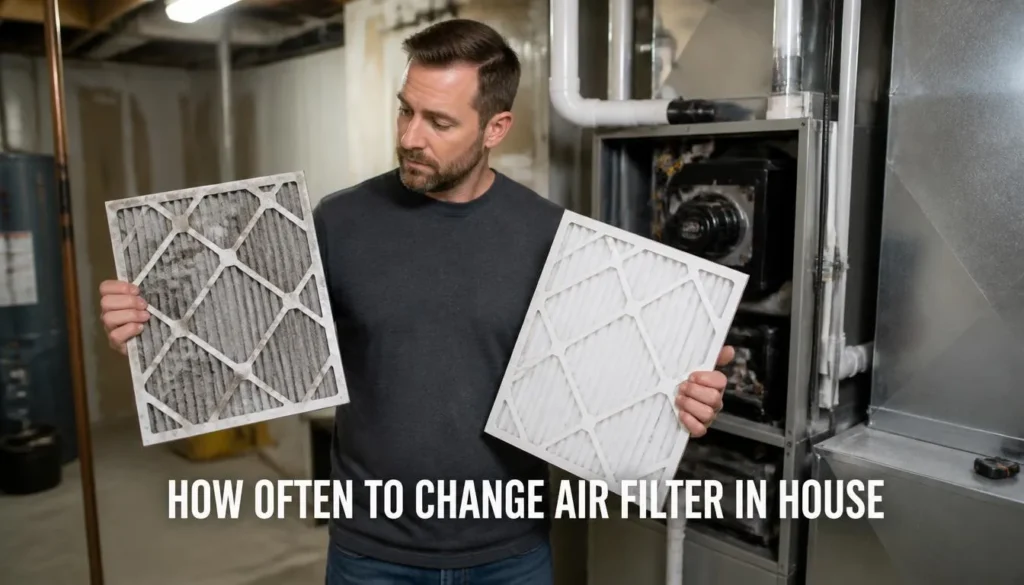
Change your air filter at least every 3 months, and check it once a month along the way. Filters that look gray need a swap sooner, because dust levels, pets, and the hours your system runs all change how quickly a filter wears out. A clogged filter restricts airflow and can reduce heating and cooling performance.
By the end, you will know how to spot a worn filter, what thickness and rating mean, and how to swap one in minutes. It also covers homes with pets, apartments, and the one point where an air purifier can help.
Key Takeaways
- Check your filter monthly and change it at least every 3 months, sooner if it looks gray.
- Pets, allergies, and heavy summer or winter use mean you will need to change filters sooner.
- A higher MERV rating (a filter efficiency score) catches smaller particles, but check that your system can handle it.
- Turn the system off, match the size on the frame, and point the arrow toward the blower.
How Often to Change Air Filter in House?
You should check the air filter in a house once a month. Change it at least every 3 months, or sooner if it looks gray, clogged, or caked with dust. It sits in the airflow of your HVAC system (the heating, ventilation, and air conditioning equipment) and traps dust before that dust reaches the blower.
According to ENERGY STAR, you should check your filter every month, especially in winter and summer, and change it at least every 3 months. If the filter looks dirty after a month, change it then. The ENERGY STAR maintenance checklist adds that a dirty filter can raise energy costs and damage equipment, which leads to early failure.
Notice the word check, because a filter is not a carton of milk with a printed expiration date. Its wear follows the hours the fan runs and the amount of dust your home produces. A filter can therefore clog much faster during a hot July than during a mild April. The calendar is only a reminder to look.
Here is the part that package labels rarely explain: appearance is a guide, not a rule. A filter that looks gray or packed with dust is ready for a swap, even before the three-month mark. A clean look does not prove the filter is fine, so follow the manufacturer’s schedule too.
How Often to Change Air Filter in House With Pets and Other Factors
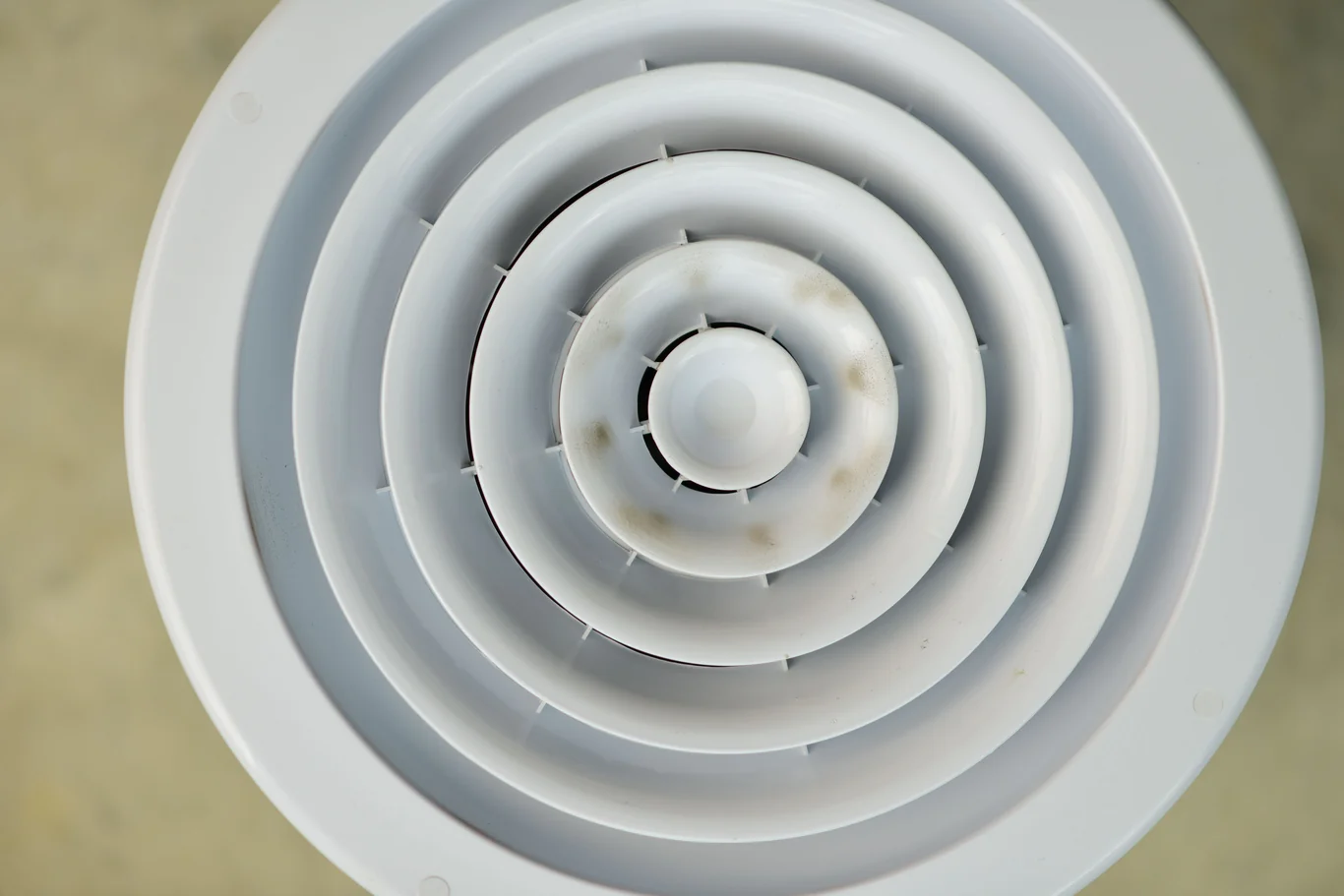
Pets, allergies, and heavy use all shorten the time between changes. More hair and dust can load the filter sooner, which increases resistance and reduces airflow. The EPA says all filters need periodic replacement and tells you to follow the manufacturer’s guidance, so treat the printed interval as a ceiling rather than a target.
These situations usually call for a shorter gap:
- Pets: shedding dogs and cats leave hair and dander (tiny flakes of skin) on the filter, so look at it every few weeks.
- Allergies or asthma: keep up with filter maintenance, and choose a particle-removal rating that your system can accommodate.
- Peak seasons: the fan runs longest during deep summer and deep winter, so the filter collects dust much faster.
- Remodeling or smoking: drywall dust and smoke can clog a filter in days.
- Apartments: the filter often hides in a wall or ceiling grille. Ask your landlord who handles it, then check it monthly anyway.
If you are unsure, pull the filter out at the one-month mark and look at it carefully. Snap a photo of a clean one first, so that you have a baseline to compare against.
Filter Thickness and Size, Including 20x25x4
Thickness changes how long a filter lasts, but it does not change how often you should look at it. A 20x25x4 filter is 20 inches by 25 inches and 4 inches deep by its label size. Its deep, pleated media offers far more surface area than a thin 1-inch filter, so it usually holds dust for a longer period.
Even so, the answer to how often to change a 20x25x4 air filter starts with the same step: check it monthly. Then follow the interval printed on the box. A thick filter in a dusty, pet-filled home can still clog early, so inspect it regularly and follow the manufacturer’s maintenance guidance.
Read the size on the frame of your old filter, because label sizes run a little larger than the real ones. Never force a thicker filter into a slot built for a thin one. The EPA notes that the best rating you can use is limited by your system fan and filter slot. It suggests asking a professional HVAC technician when you are unsure.
One more point many people miss: depth and rating are separate things. A 4-inch filter can carry a low rating, and a 1-inch filter can carry a high one.
MERV Ratings and Replacement Timing
MERV (Minimum Efficiency Reporting Value) is a score from 1 to 16 that shows how well a filter traps particles. The EPA says a higher number means the filter is better at trapping particles of specific sizes. Those sizes are measured in microns (one micron is about 1/100th the width of a human hair).
The EPA suggests a filter rated MERV 13 or as high as your system can handle, and it advises asking an HVAC technician about your equipment. MERV describes particle capture, not dust-holding capacity or airflow resistance. Check the filter’s specifications and your system’s requirements before changing ratings.
If you are weighing a furnace-filter upgrade against a portable HEPA air cleaner, our MERV vs HEPA guide explains how the ratings are tested and why system compatibility matters.
The table below shows the minimum capture rates the EPA lists for four common ratings:
| MERV rating | 0.3 to 1.0 microns | 1.0 to 3.0 microns | 3.0 to 10 microns |
| MERV 5 | Not specified | Not specified | At least 20% |
| MERV 8 | Not specified | At least 20% | At least 70% |
| MERV 11 | At least 20% | At least 65% | At least 85% |
| MERV 13 | At least 50% | At least 85% | At least 90% |
How to Change a Furnace Air Filter or Replace an AC Filter
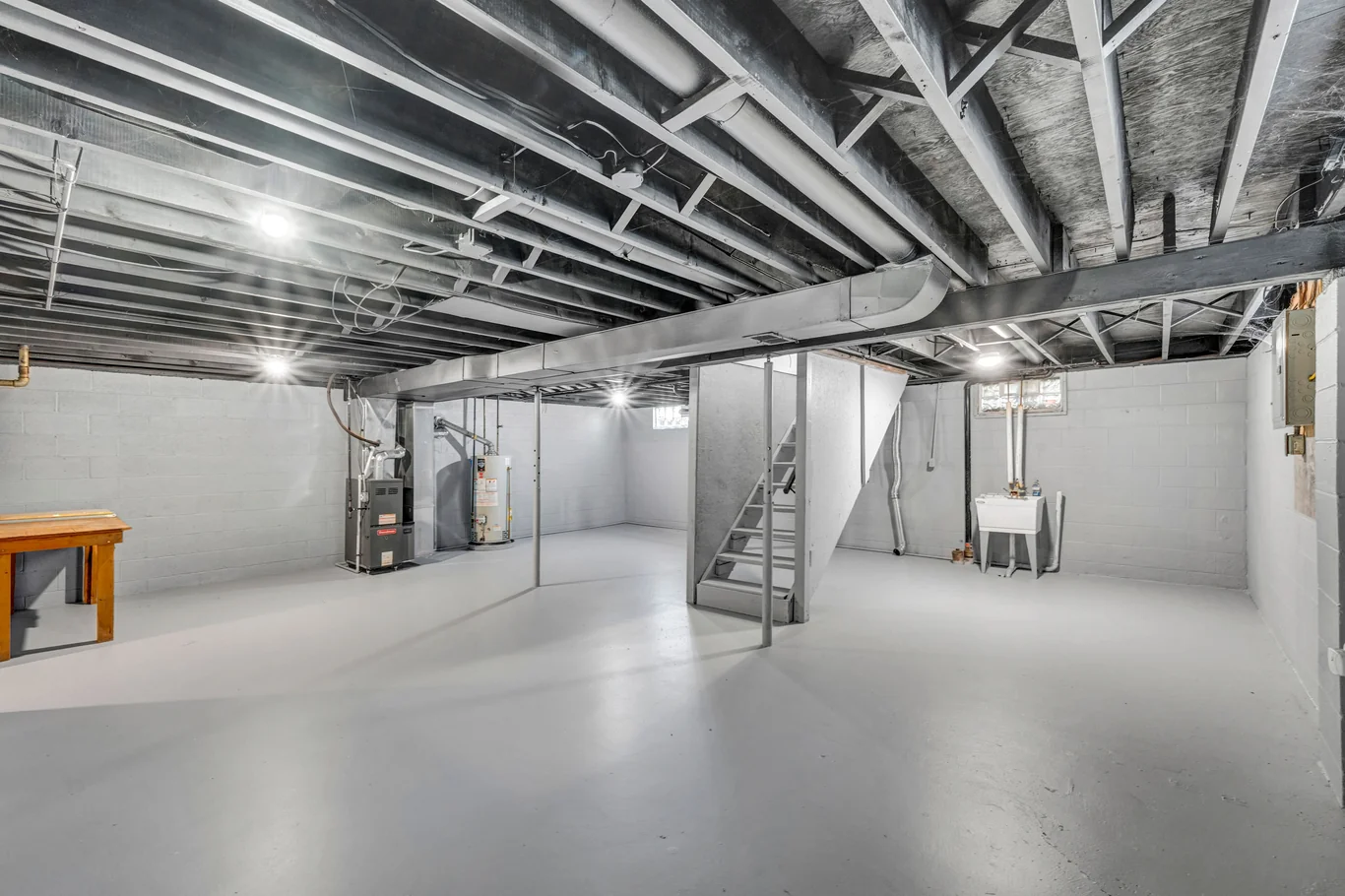
When a furnace and central air conditioner share a blower, they also share its filtration system. That system may use one furnace filter or several filters at return grilles, so check every filter location. ENERGY STAR lists the furnace, central air conditioner, and heat pump together in its monthly filter check.
Follow these six steps to change a furnace air filter or replace an AC air filter:
- Turn the thermostat off, then switch off power to the HVAC unit as its manual directs, and wait until the blower stops.
- Find the filter slot. It is usually behind a return air grille (a large wall or ceiling vent) or in a slot beside the blower.
- Slide the old filter out and note the size and the airflow arrow printed on its frame.
- Vacuum the slot and the area around it, so loose dust does not blow into the new filter.
- Slide the new filter in with the arrow pointing toward the blower and away from the return duct.
- Close the cover, turn the system on, and write the date on the frame edge.
Never run the system without a filter, even for a day. Dust then coats the blower and the cooling coil (the part that chills the air), and professional cleaning of those parts costs far more than a new filter.
Dirty Filters, Energy Costs, and Where an Air Purifier Fits
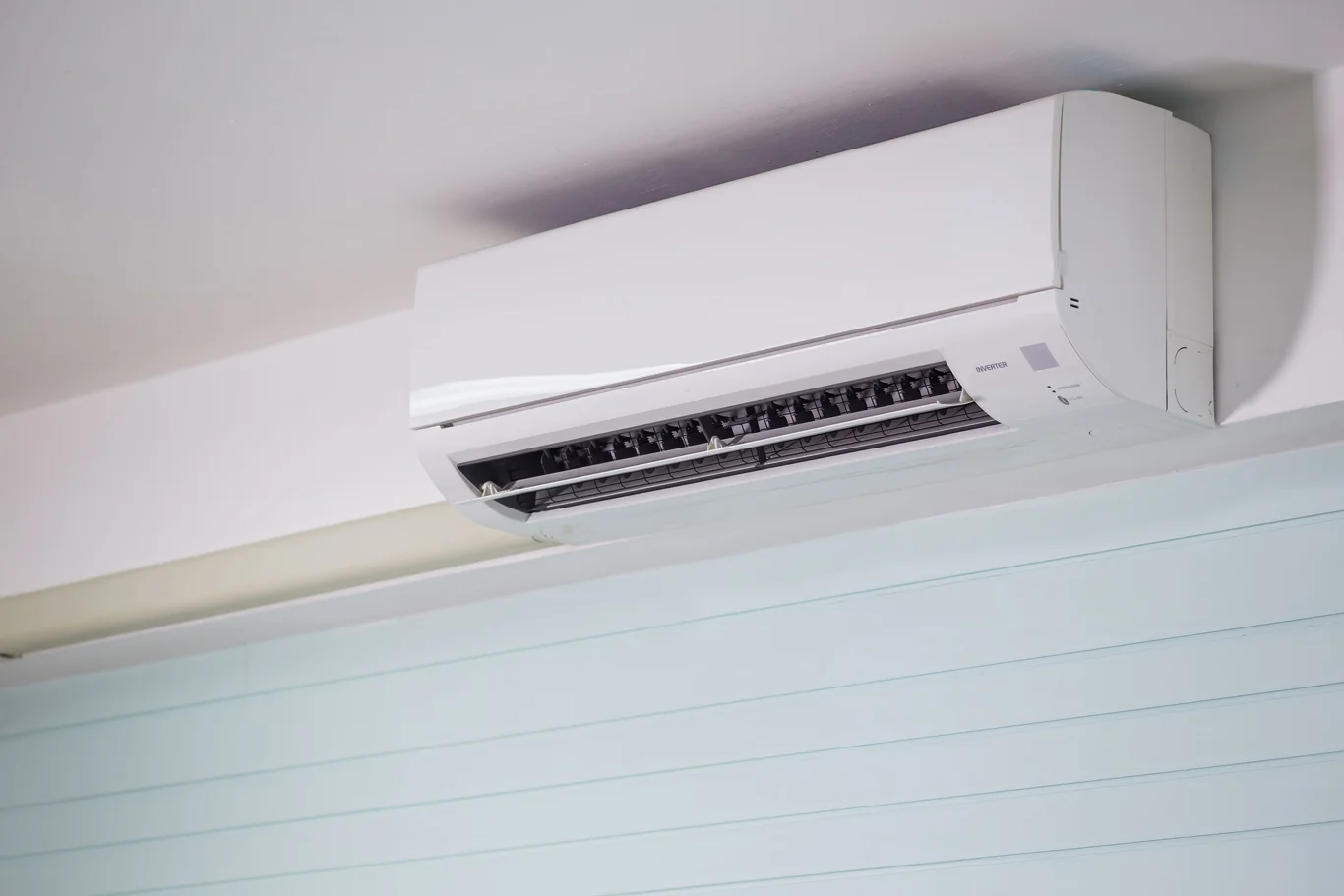
A clogged filter blocks airflow, and your system pays for that restriction every time it runs. ENERGY STAR says a dirty filter can increase energy costs and damage equipment, which leads to early failure. Replacing a dirty filter is a simple maintenance task that helps protect your HVAC equipment.
An HVAC filter only cleans the air while the fan is running, and it must stay open enough for the system to pull air through it easily. A portable air purifier with a HEPA filter (high-efficiency particulate air, a type that traps tiny particles) works on its own fan. The EPA says HEPA filters capture at least 99.97% of particles at 0.30 microns.
That is why some households pair a well-maintained furnace filter with a purifier in the bedroom or another main living space. The purifier does not replace the furnace filter, and it has its own filters with their own schedule.
How We Research
We check every claim against primary sources. Federal agencies like the EPA and CDC come first. Certification bodies like NSF and AHAM come next. We verify each standard number against the issuing body. We review this guide on a set schedule.
Why Trust This Guide
Puritisimo covers only water and air quality. Our guidance is editorial and independent. We cite every health figure so you can check it. We never present a promotional claim as fact.
A Simple Monthly Habit That Protects Your Home
The best schedule is a habit, not a date. Check your filter once a month, change it at least every 3 months, and swap it sooner if it looks gray or heavily soiled. If you have pets, allergies, or a dusty remodel going on, look every few weeks. Match the size on the old frame, point the arrow toward the blower, and write the date on the new one. Once you know how often to change the air filter in your house, the job takes about two minutes.
Frequently Asked Questions
How often to change air filter in house in winter?
The winter answer to how often to change the air filter in a house is the same: check it every month. Furnaces run longest in cold months, so filters often clog faster than in mild spring weather. Change it as soon as it looks gray, even if it seems early.
How do I know if my air filter needs changing?
A filter needs changing when it looks gray, furry, or clogged with dust. Inspect it once a month, and follow the manufacturer’s replacement schedule even if the filter still looks fairly clean. Dusty vents and a system that runs longer than usual are other warning signs.
Can a dirty air filter cause a high electric bill?
Yes, a dirty air filter can raise your energy costs. It blocks airflow, so the fan and the heating or cooling equipment must work harder to reach the same temperature. Over time, that strain can also shorten the life of the equipment.
What size air filter do I need?
The size you need is printed on the frame of your current filter, such as 20x25x4. Write down all three numbers: width, height, and depth. The slot sets the depth, so do not force a thicker filter into it. If the frame is blank, measure the slot.
Do HVAC systems have filters?
Yes, nearly every forced-air HVAC system has a filter, and it is easy to overlook. Look behind a large return air grille on a wall or ceiling, or in a slot beside the furnace blower. Some homes have more than one filter, so check each return grille.
References
- EPA. What is a MERV rating? U.S. Environmental Protection Agency. 2024.
- EPA. Guide to Air Cleaners in the Home. U.S. Environmental Protection Agency. 2024.
- ENERGY STAR. Heating and Cooling Maintenance Checklist. U.S. Environmental Protection Agency and U.S. Department of Energy. 2024.
- ENERGY STAR. Heat & Cool Efficiently. U.S. Environmental Protection Agency and U.S. Department of Energy. n.d.
Medical Disclaimer: This content is for informational purposes only. It is not a substitute for professional medical advice, diagnosis, or treatment. If you have concerns about your water quality or air quality and their effects on your health, consult a qualified healthcare professional.

