

No, an air purifier does not lower the room temperature. It pulls air through a filter and pushes it back out. It has no refrigerant (the fluid that carries heat away in an air conditioner). The moving air can feel cooler on your skin, but a thermometer will barely move. Hybrid purifier-fan units are fans, not air conditioners.
This guide covers whether an air purifier cools the room in any real sense, where its small motor heat goes, and how winter, stuffiness and dry air fit in. By the end, you will know what a purifier can and cannot change about your comfort.
Key Takeaways
- An air purifier has no refrigerant or cooling coil, so it does not lower the room temperature.
- Its motor adds a very small amount of heat, usually too little to notice.
- Airflow can feel cooler on your skin even when the thermometer does not change.
- Purifiers do not fix humidity or bring in fresh air, so stuffy rooms need ventilation too.
Does Air Purifier Cool the Room? The Short Answer

An air purifier is a machine that pulls room air through a filter and pushes it back out to remove dust and other particles. It has a fan and a filter, but no refrigerant or cooling coil, so it cannot remove heat from the air and does not cool the room.
To see one in practice, read my ECOSELF air purifier review.
An air conditioner works the other way. According to the U.S. Department of Energy, it moves heat from inside the home to the outdoors, much like a refrigerator, and its cooling coil also pulls out humidity.
A portable air cleaner has a narrower job. The EPA says these units are designed to filter the air in a single room, and that they cannot remove all pollutants. Cleaning air and cooling air are two separate jobs. Humidity is a third job, which the last section covers briefly.
Think of it as a division of labor in your home. The air conditioner handles temperature, the purifier handles particles, and a humidifier or dehumidifier handles moisture. Keeping the jobs straight makes it easier to pick the right machine. It also avoids the common mistake of expecting one device to solve every comfort problem.
Does Air Purifier Make Room Hotter? The Motor Heat Explained
Yes, but only by a very small amount. Every watt of electricity a device draws ends up as heat in the room, which is basic physics and applies to lamps, laptops and fans too. A purifier is simply a small heat source.
Purifiers are built to be efficient. ENERGY STAR sets a minimum efficiency score for certified models, based on CADR (clean air delivery rate, the amount of filtered air a unit delivers). For a PM2.5 CADR (the rate for fine particles under 2.5 microns wide) of 150, dividing by a score of 5.6 gives a rough figure of about 27 watts. That is close to the power of a small light bulb.
That heat is too small to notice in most rooms. A purifier adds far less warmth than direct sunlight, a hot stove or a computer running all day. Those sources deliver much more energy. A small closed room with several devices running will warm up faster. Also, larger units on high speed draw more power, so they add a bit more heat than a compact model.
My VOOPNU DH-JH12 purifier review covers a compact unit built for one small room.
Why a Purifier Can Feel Cooler, and Where Hybrid Fan Units Fit

Moving air makes you feel cooler even when the air itself stays the same temperature. The airflow helps sweat evaporate from your skin, which creates a wind-chill effect. ENERGY STAR puts it simply: fans cool people, not rooms. A purifier’s fan works the same way when you sit in its air stream.
Some products blur the line. Purifier-fan hybrids, such as the Dyson Pure Cool line, pair a filter with a bladeless fan (a fan with no visible blades). Hot+Cool models add a heater. These are fan units, not air conditioners. They have no refrigerant, so they move and warm air but do not remove heat from the room. Check your model’s manual for its exact features.
The table below compares four common devices by what they do to the air:
| Device | What it does to the air | Lowers room temperature? |
| Standard air purifier | Filters and moves air | No |
| Purifier-fan hybrid | Filters air, then blows it | No |
| Fan | Moves air across your skin | No |
| Air conditioner | Removes heat and humidity | Yes |
Does Air Purifier Cool the Room in Winter? What to Expect
No, and winter does not change that. A standard purifier has no cooling system or dedicated heater, so it does not cool or heat the space on purpose. Its tiny motor heat is still there, which makes the room very slightly warmer, not cooler.
Airflow is the part people notice. Air from the outlet can feel cool or drafty on your skin in a cold room, the same wind-chill effect described above. If that bothers you, point the outlet away from your seat or lower the fan speed. Models with a heater, such as the Hot+Cool type of hybrid, are the only ones that actively warm a room. They do it with a heating element, not with the filter.
Placement matters more than the season. Leave open space around the unit so it can pull air in freely, and keep it away from beds and desks if the airflow bothers you. A unit pushed against a wall or tucked behind a couch moves less air, and that lowers how well it cleans the room.
Do Air Purifiers Make Rooms Less Stuffy?
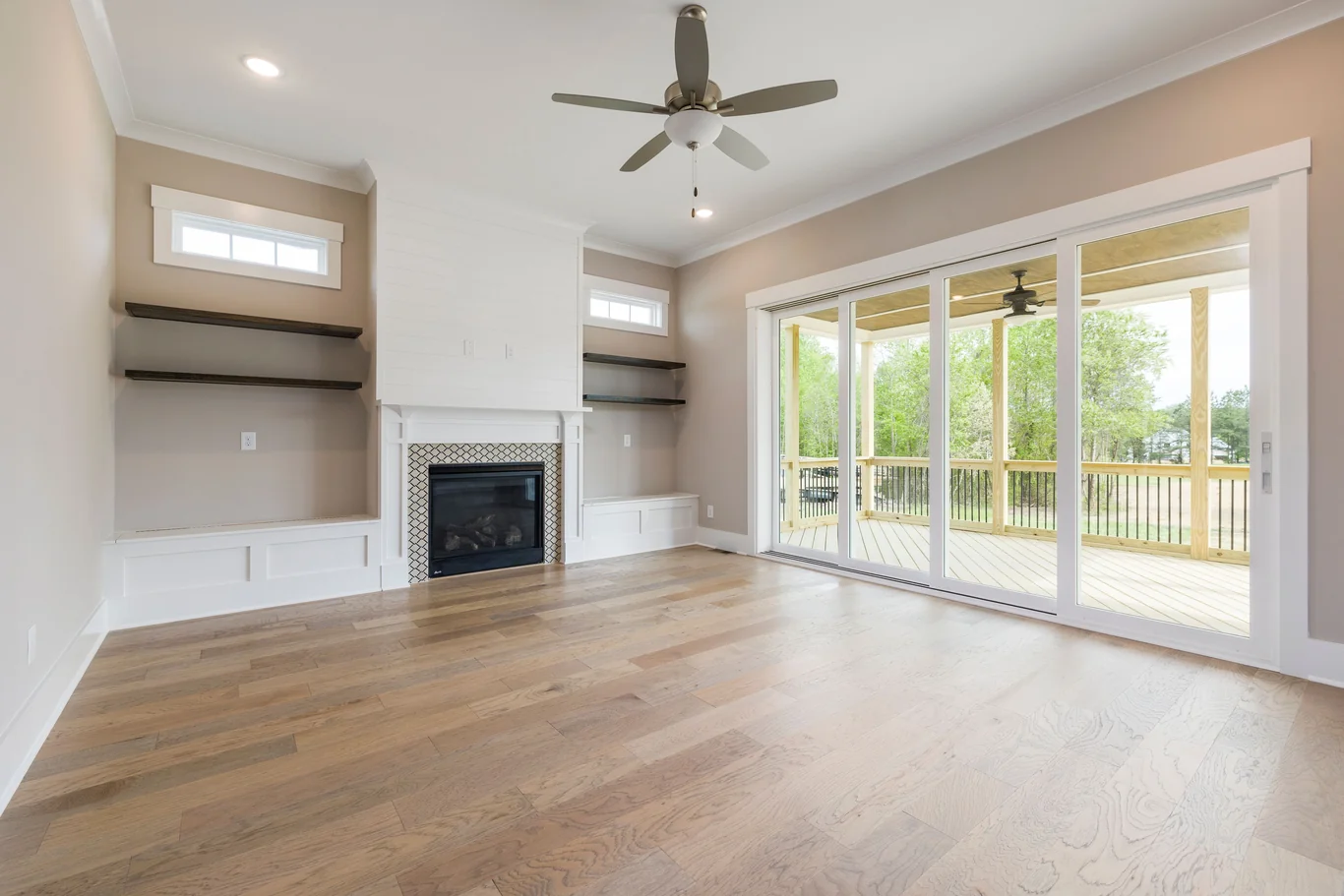
Sometimes, because stuffiness often comes from particles and smells that a filter can reduce. But a stuffy room is usually short on fresh air, and a purifier only recirculates the air already inside. The EPA describes filtration as a supplement to source control and ventilation, not a replacement.
These steps do more for a stuffy room than a purifier alone:
- Open a window: briefly, when the air outside is clean, to bring in fresh air.
- Run exhaust fans: kitchen and bathroom fans pull out cooking smells and moisture.
- Add a fan: gentle airflow stops the air from feeling still.
- Size the unit: a small unit in a large space struggles. Compare the best large room air purifier or best small room air purifier options for your room.
- Change filters: follow the manual’s replacement schedule. A clogged particle filter restricts airflow, and an exhausted carbon filter loses odor removal.
If the stuffiness comes with a damp feel, the cause is more likely moisture than particles, and a purifier will not fix it. In that case, deal with the humidity first, then use the purifier for dust and smells.
Does Air Purifier Make Room Dry? Humidity Is a Separate Question
No, a standard purifier does not dry the air in any meaningful way. It has no cooling coil, so it does not pull water out of the air. Its filter is built for particles, not water vapor (water in gas form). An air conditioner is different. According to the U.S. Department of Energy, its cooling coil removes humidity as well as heat.
What you may notice is a drier feel on your skin and lips, because moving air speeds up evaporation. The reading on a humidity meter should stay about the same. The separate guide on whether an air purifier helps with humidity covers that question in full.
How We Research
We check every claim against primary sources. Federal agencies like the EPA and CDC come first. Certification bodies like NSF and AHAM come next. We verify each standard number against the issuing body. We review this guide on a set schedule.
Why Trust This Guide
Puritisimo covers only water and air quality. Our guidance is editorial and independent. We cite every health figure so you can check it. We never present a promotional claim as fact.
Pick the Right Tool for the Job
A purifier is a filter with a fan. It adds a trace of motor heat, it can make your skin feel cooler in its air stream, and it leaves humidity and fresh air alone. If your room is hot, an air conditioner, a shaded window or a fan pointed at you will do more than any filter. If the air smells or looks dusty, a purifier is the right tool, and sizing it to the room matters most. So whether a purifier cools the room comes down to one fact: it cleans air and does not remove heat.
Frequently Asked Questions
Does air purifier cool the room or just move air?
An air purifier does not cool the room. It filters and moves air, which can feel cooler on your skin, but it has no refrigerant to remove heat. An air conditioner can lower room temperature, and evaporative cooling in dry climates or cooler outdoor air can also help. A hybrid fan-style unit is the closest match, and it still only moves air.
What are the downsides of using an air cooler?
An air cooler (also called an evaporative cooler) passes air through wet pads, which adds moisture and works best in dry conditions. Tank-fed models need refilling, while plumbed models have a connected water supply. Some pads and filters catch particles, but do not assume the filtering matches a dedicated air purifier.
Do air purifiers remove odors?
Some do, but not all. A HEPA filter (a dense filter that traps fine particles) catches particles, not smell molecules. Models with an activated carbon layer (a filter material that traps gas molecules) can reduce many cooking, pet and smoke odors. Check the manual for a carbon filter before you expect odor control.
What are signs you need an air purifier?
Common signs include dust that returns quickly after cleaning, visible haze from cooking or smoke, and pet hair and dander (tiny flakes of skin) in the air. A purifier addresses air quality, not temperature or humidity, so match the signs to the problem you want solved.
Are air purifiers a waste of money?
It depends on your goal. A purifier is useful for dust, smoke and pet particles, but it is the wrong tool for cooling, humidity or fresh air. The EPA notes that air cleaners cannot remove all pollutants, so treat one as a supplement to cleaning and ventilation.
References
- EPA. Air Cleaners and Air Filters in the Home. U.S. Environmental Protection Agency.
- ENERGY STAR. Air Purifiers and Cleaners Key Product Criteria. U.S. Environmental Protection Agency and U.S. Department of Energy.
- ENERGY STAR. Ceiling Fan Installation and Usage Tips. U.S. Environmental Protection Agency and U.S. Department of Energy.
- U.S. Department of Energy. Energy Saver 101: Home Cooling. Office of Energy Efficiency and Renewable Energy.
Medical Disclaimer: This content is for informational purposes only. It is not a substitute for professional medical advice, diagnosis, or treatment. If you have concerns about your water quality or air quality and their effects on your health, consult a qualified healthcare professional.

