
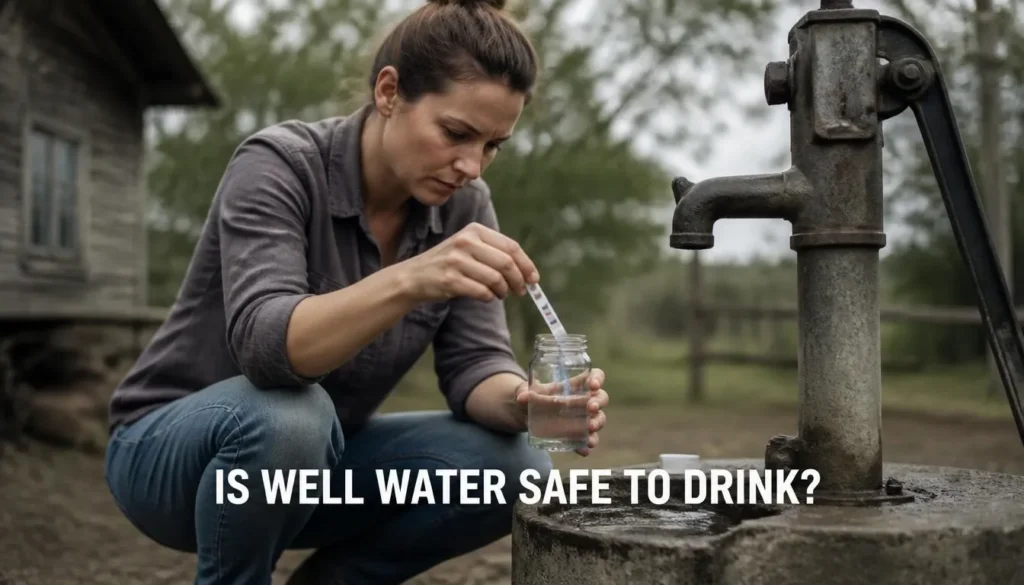
Well water is safe to drink only when a lab test shows it meets health limits, and no agency tests or treats a private well on your behalf. Clear, good-tasting water can still carry bacteria or nitrate (a chemical that comes from fertilizer, sewage, and animal waste). A yearly test is the only reliable way to know whether well water is safe to drink at your home.
This guide explains what can get into a private well, how to test the water, and who faces the most risk. You will also learn what boiling fixes and what it does not, and which treatment suits each type of problem.
Key Takeaways
- Private well owners arrange their own testing, so test your well water yourself.
- Test at least once a year, and again after floods, repairs, or any change in taste or smell.
- Use a lab certified for drinking water. A home kit works only as a quick first screen.
- Boiling kills germs but does not remove chemicals, so match the treatment to your test result.
Is Well Water Safe to Drink? The Short Answer
Yes, but only after a test shows it is clean. The U.S. Geological Survey (USGS, the federal agency that studies water and land) says more than 43 million people, about 15% of Americans, use private wells. Federal law and most state laws do not regulate that water, so the owner is responsible for keeping it safe.
Safe is not the same as clean-looking. In a USGS study of about 2,100 domestic wells, about 1 in 5 had at least one contaminant above a health benchmark, and many wells carried several contaminants at once. Testing for several local contaminants can reveal problems that a single test would miss.
This is the big difference from city water. A city supplier follows a regulated testing schedule. A private well owner must arrange routine testing and check local rules, so keep every result on file. That is why the rest of this guide puts testing first and treatment second.
Treat the job as routine care, in the same way that you service a furnace or check a smoke alarm. Routine care can help you spot problems early, but sudden contamination can still call for urgent action.
Is Well Water Clean? What Can Get Into a Private Well
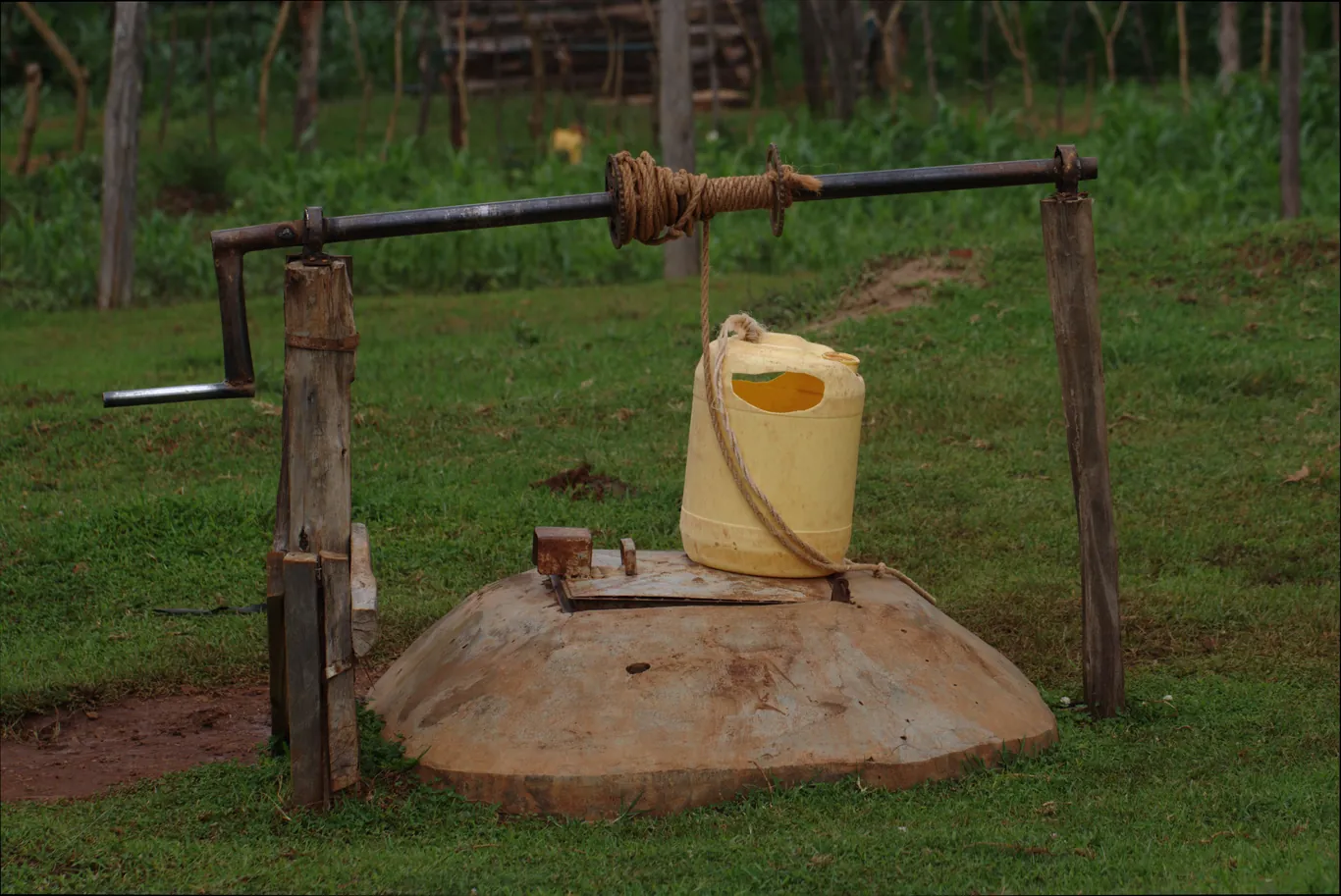
Well water is only as clean as the ground and the buildings around it. The EPA identifies runoff and leaking sewage as sources of microorganisms, including septic systems (home sewage treatment tanks). Leaking fuel tanks can add fuel-related chemicals. It says that bacteria can cause stomach illness and infections.
Chemicals come from different places, and each one has its own risk. Nitrate (a chemical from fertilizer, human sewage, and animal waste) is most serious for babies. The EPA says infants below six months who drink water with high nitrate can become seriously ill. According to the EPA, arsenic can enter wells from natural deposits. High exposure can damage organs and raise cancer risk. A well can fail a test even when no human activity has touched it.
Federal limits give you a yardstick. Some EPA limits are MCLs (maximum contaminant levels, enforceable limits for public water systems), while others are health goals or action levels. The lead action level triggers utility action, and it is not a safe level for your home. Our guide on whether reverse osmosis removes lead covers one fix. These limits bind public systems, not private wells, but they are still the best benchmark an owner has. The table shows four common ones, with amounts given in mg/L (milligrams per liter, a measure of how concentrated a substance is).
| Contaminant | Common source | Federal benchmark |
| Total coliform bacteria | Septic systems, runoff, leaking tanks | Goal of zero |
| Nitrate | Fertilizer, sewage, animal waste | 10 mg/L as nitrogen |
| Arsenic | Natural mineral deposits | 0.010 mg/L |
| Lead | Household plumbing and service lines | 0.015 mg/L action level |
How to Test Well Water: Test Kits Versus Lab Tests
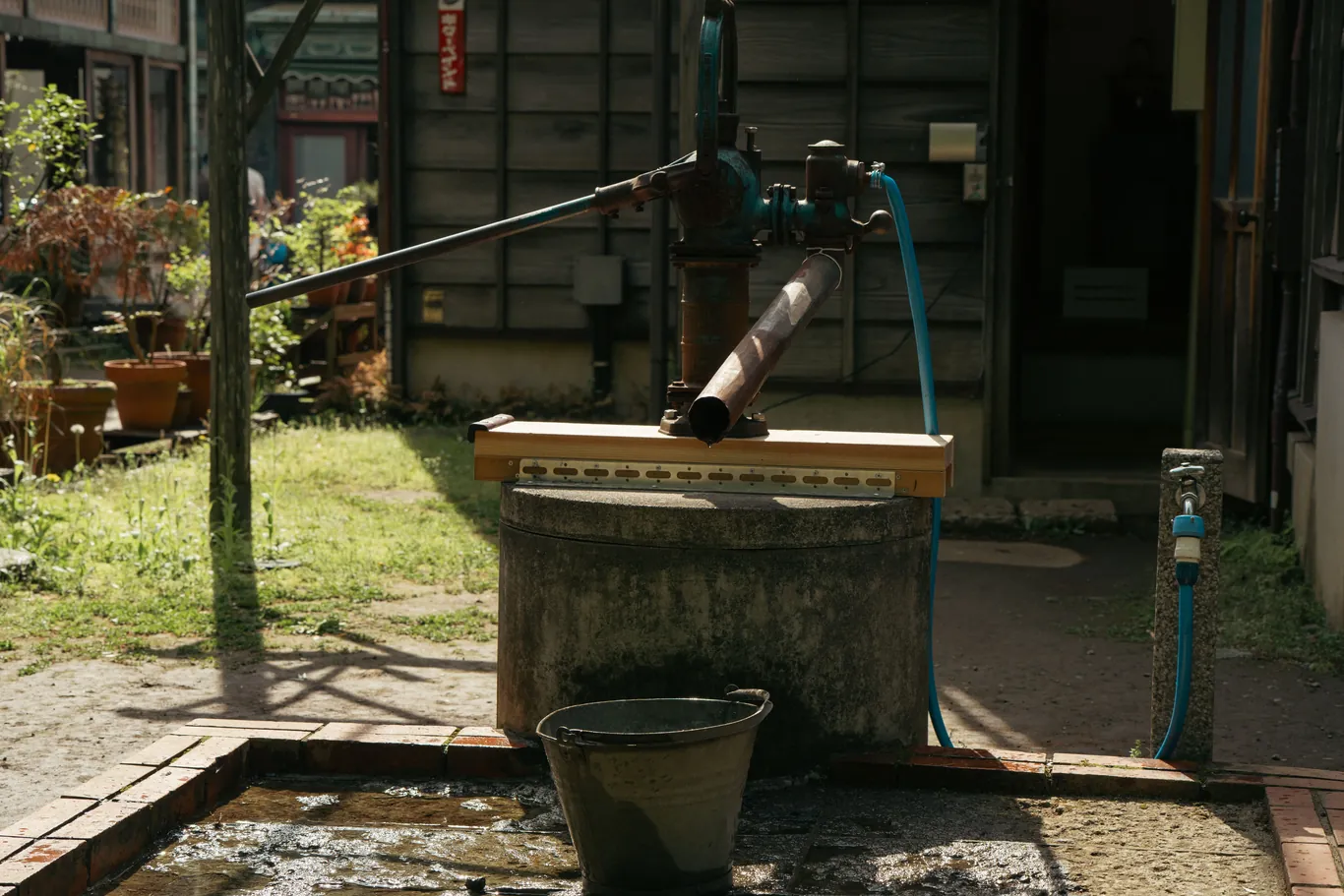
The CDC says to test your well at least once each year. A yearly panel covers total coliform bacteria (germs that signal possible contamination), nitrates, TDS (total dissolved solids, the minerals and salts in water), and pH (how acidic the water is). Ask your health department about local hazards, since a clean basic panel cannot rule out what it did not measure.
Test more often when something changes. The CDC lists flooding, land disturbance near the well, a well repair, or a change in taste, color, or smell as reasons to test again. It adds a new pregnancy or a child moving in. One clean result does not last forever, because the ground and the well both change over time.
A home well water test kit is a quick way to screen for a problem. Many kits use color-change strips or tablets, so they give a rough reading. A lab reports an exact number you can compare with the benchmarks above. The EPA says to use only laboratories certified to do drinking water testing. Your local health department may test for free or point you to a lab. Our read: use a kit as a screen, and let a lab report drive any treatment choice.
Follow these steps to get a reliable result:
- Find a state-certified drinking water lab, or ask your local health department for one.
- Use only the bottle the lab gives you, and follow its collection steps, because handling can spoil a bacteria sample.
- Ask the lab where to sample: untreated water checks the source, treated water checks the device, and lead needs a drinking tap.
- Deliver the sample quickly, since labs set short holding times for bacteria.
- Compare each result with the benchmarks in the table, and ask the lab or health department what a high result means.
- Retest after any fix to confirm that it worked.
Drinking Well Water Side Effects: Myths and Who Should Be Cautious
Side effects depend on what is in the water. Bacteria cause stomach illness, and a positive E. coli test likely means that feces has reached the well. Nitrate matters most for infants, and the CDC notes that high nitrate can make anyone, and especially babies, sick.
Some people should be extra careful. The EPA advises more frequent testing when small children, elderly adults, or a pregnant or nursing person live in the home. If a test finds nitrate above the limit, ask your pediatrician about a safe source for baby formula, such as bottled water, until you fix the well.
Three beliefs cause the most trouble:
- Myth: Clear, good-tasting water is safe. Fact: Clear water can still carry bacteria or nitrate, which is why the CDC says to test every year.
- Myth: Well water is naturally purer than city water. Fact: A private well owner must arrange treatment and testing, and the EPA lists septic systems, fertilizer, and natural arsenic among its risks.
- Myth: Boiling makes any well water safe. Fact: Boiling kills germs, but the CDC says it will not remove chemicals.
Is Well Water Safe to Drink If You Boil It? Treatment Options
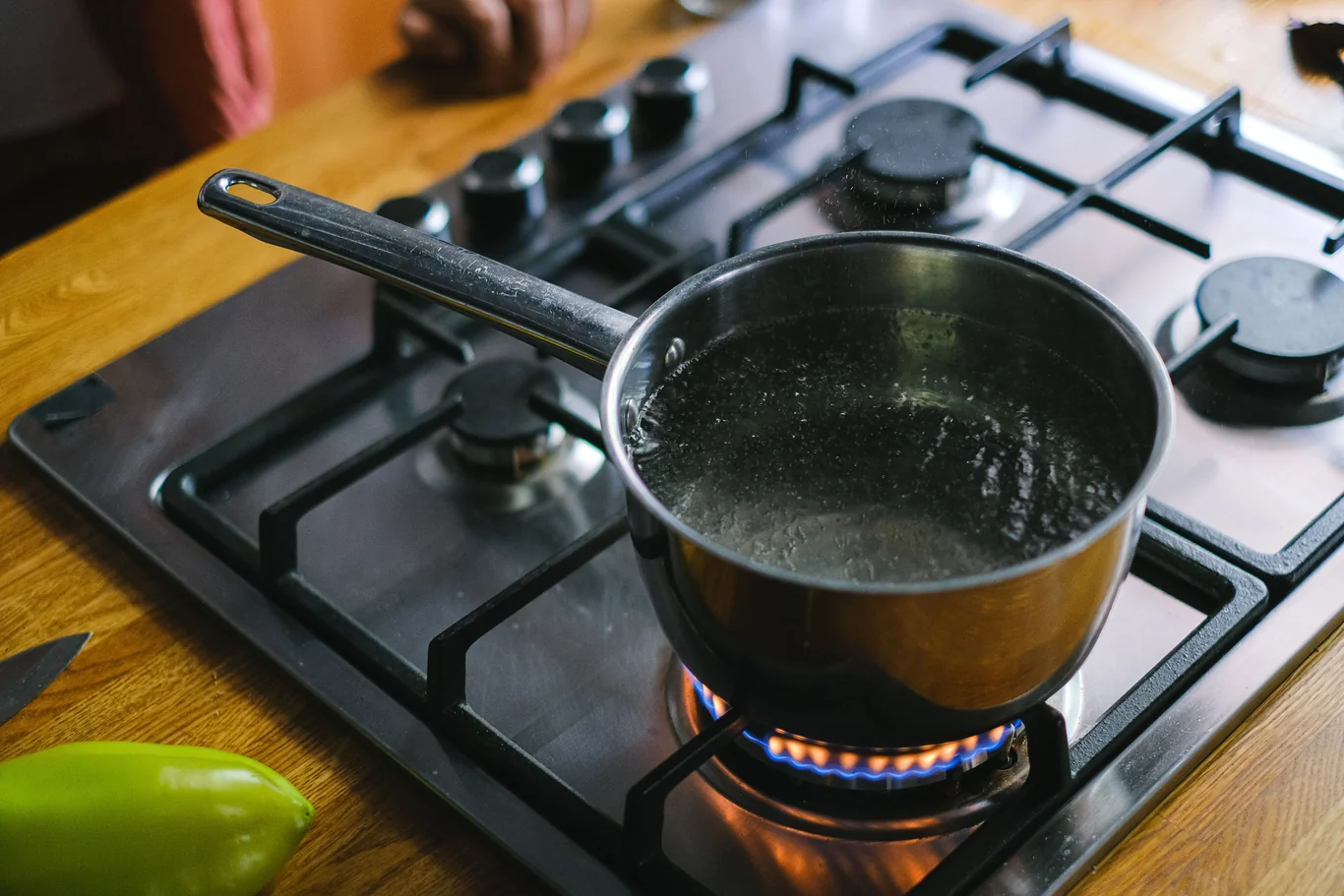
Boiling helps with germs only. The CDC says boiling water kills germs, but it will not remove chemicals. That makes boiling a stopgap for a bacteria problem. It does nothing for a nitrate, arsenic, or lead problem, so a boiled pot of water can still fail the same lab test that the raw water failed.
Treatment has to match the problem. The EPA says disinfection with chlorine, ozone, or ultraviolet (UV) light can control bacteria, while distillation (boiling water to steam and collecting it) and filtration can remove some contaminants. The CDC adds that no single treatment type protects against all problems.
This is where your lab report pays off. Treat the report as your shopping list. Pick a system that lists your exact contaminant, and look for a mark from an independent testing group such as NSF International on its data sheet. The CDC says to check first that a system removes the type of germ or chemical you have. Our guide on well water filter sizes covers cartridge ratings.
Retest after you install anything. The EPA notes that, depending on the contaminant and the well, you may need a new source of water or a new well. Until the water tests clean, use bottled water or another safe source.
How We Research
We check every claim against primary sources. Federal agencies like the EPA and CDC come first. Certification bodies like NSF and AHAM come next. We verify each standard number against the issuing body. We review this guide on a set schedule.
Why Trust This Guide
Puritisimo covers only water and air quality. Our guidance is editorial and independent. We cite every health figure so you can check it. We never present a promotional claim as fact.
Making Your Well Water Safe to Drink
Private well water can be a fine source, but no one else will vouch for it. Your lab report is the only proof you get. Test once a year for coliform bacteria, nitrates, TDS, and pH, and test again after floods, repairs, or any change in taste or smell. If a result is high, pick a treatment that targets that exact contaminant, because boiling handles germs and little else. Test first, treat what the report shows, and retest, and you will know whether well water is safe to drink at your home instead of guessing.
Frequently Asked Questions
Is well water safe to drink without a filter?
You can only tell whether well water is safe to drink without a filter by reading your lab results. If appropriate tests find no health concern, you may not need one. Ask your health department to read the results and name any missing tests. Treatment depends on the contaminant and its level, and the lead action level is not a safety threshold.
How do I know if my well water is safe to drink?
Test it. Send a sample to a certified lab at least once a year for coliform bacteria, nitrates, TDS, and pH. Test again after a flood, a well repair, or a change in taste, color, or smell. A clean report is your proof, and appearance is not.
What are the downsides of well water?
The main downside is that you carry the whole job. No one tests a private well for you, so you pay for yearly tests and any treatment. Wells can pick up bacteria from septic systems, nitrate from fertilizer, or natural arsenic. Quality can also change after floods or nearby construction, so one clean test does not last forever.
Is well water the healthiest water to drink?
Not automatically. Well water carries minerals from the ground, but minerals do not make water safe. A well with clean test results can be a fine source, while one with bacteria or high nitrate is a risk however fresh it tastes. Healthy here means tested.
How clean is water from a well?
It varies from well to well. A federal study by the U.S. Geological Survey of about 2,100 domestic wells found that about 1 in 5 had at least one contaminant above a health benchmark. The rest did not. A certified lab test is the only way to place your own well on that scale.
References
- USGS. Domestic (Private) Supply Wells. U.S. Geological Survey. 2026.
- CDC. Guidelines for Testing Well Water. Centers for Disease Control and Prevention. July 1, 2024.
- CDC. Guidelines for Treating Well Water. Centers for Disease Control and Prevention. July 2, 2024.
- EPA. Potential Well Water Contaminants and Their Impacts. U.S. Environmental Protection Agency. 2026.
- EPA. Protect Your Home’s Water. U.S. Environmental Protection Agency. 2026.
- EPA. National Primary Drinking Water Regulations. U.S. Environmental Protection Agency. 2026.
Medical Disclaimer: This content is for informational purposes only. It is not a substitute for professional medical advice, diagnosis, or treatment. If you have concerns about your water quality or air quality and their effects on your health, consult a qualified healthcare professional.

