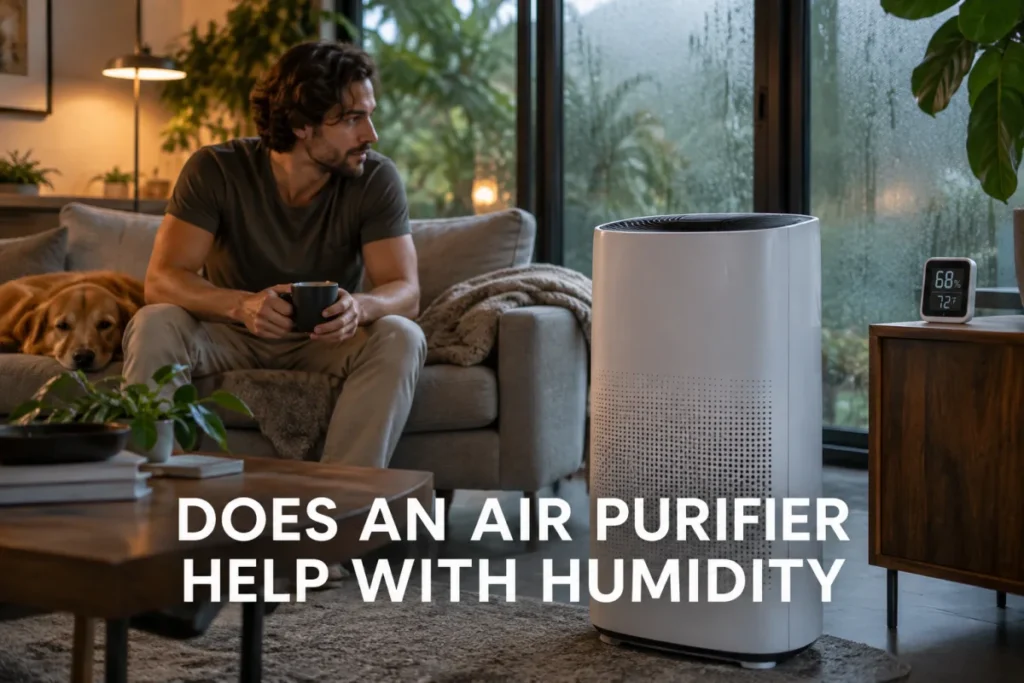
No, an air purifier does not change the humidity in a room. It pulls air through a filter to trap dust, pollen, and other particles. It has no way to add or remove water vapor. Relative humidity stays where it was before the unit turned on. That difference matters. It matters if you are asking whether an air purifier helps with humidity in a stuffy, damp, or overly dry room.

By the end of this guide, you will know what an air purifier filters. You will know how it differs from a humidifier and a dehumidifier. You will also know when your room needs one of those two instead. And you will see how filtration helps with allergies.
Key Takeaways
- Air purifiers filter particles; they do not add or remove moisture from a room.
- Only a humidifier adds moisture and only a dehumidifier removes it; air purifiers do neither.
- HEPA filters (a high-efficiency air filter) reduce airborne allergens like dust mites and mold spores by capturing particles, not moisture.
- Keep indoor humidity between 30% and 50% to limit mold and dust mites regardless of purifier use.
Does an Air Purifier Help With Humidity in a Room?

An air purifier does not change the relative humidity of a room. It draws air through a fan and one or more filters. Those filters trap solid particles like dust, pollen, and pet dander. The process removes airborne matter, not water vapor. Humidity levels stay the same whether the unit runs or not.
The mix-up happens because retailers market air purifiers, humidifiers, and dehumidifiers as one ‘air quality’ category. Each device solves a different problem. The Environmental Protection Agency (EPA) describes air cleaners as devices built to filter airborne particles from indoor air. That job has nothing to do with moisture.
A purifier and a humidity-control device solve different complaints. A room can feel stuffy, damp, or dry. Only one type of appliance corrects the moisture, so do not assume a purifier fixes all three.
According to the EPA, air cleaners are designed to filter particles from indoor air, not to condition it.
Yes, if a hygrometer reading stays above 50% relative humidity for more than a few days at a time.
How an Air Purifier Actually Works
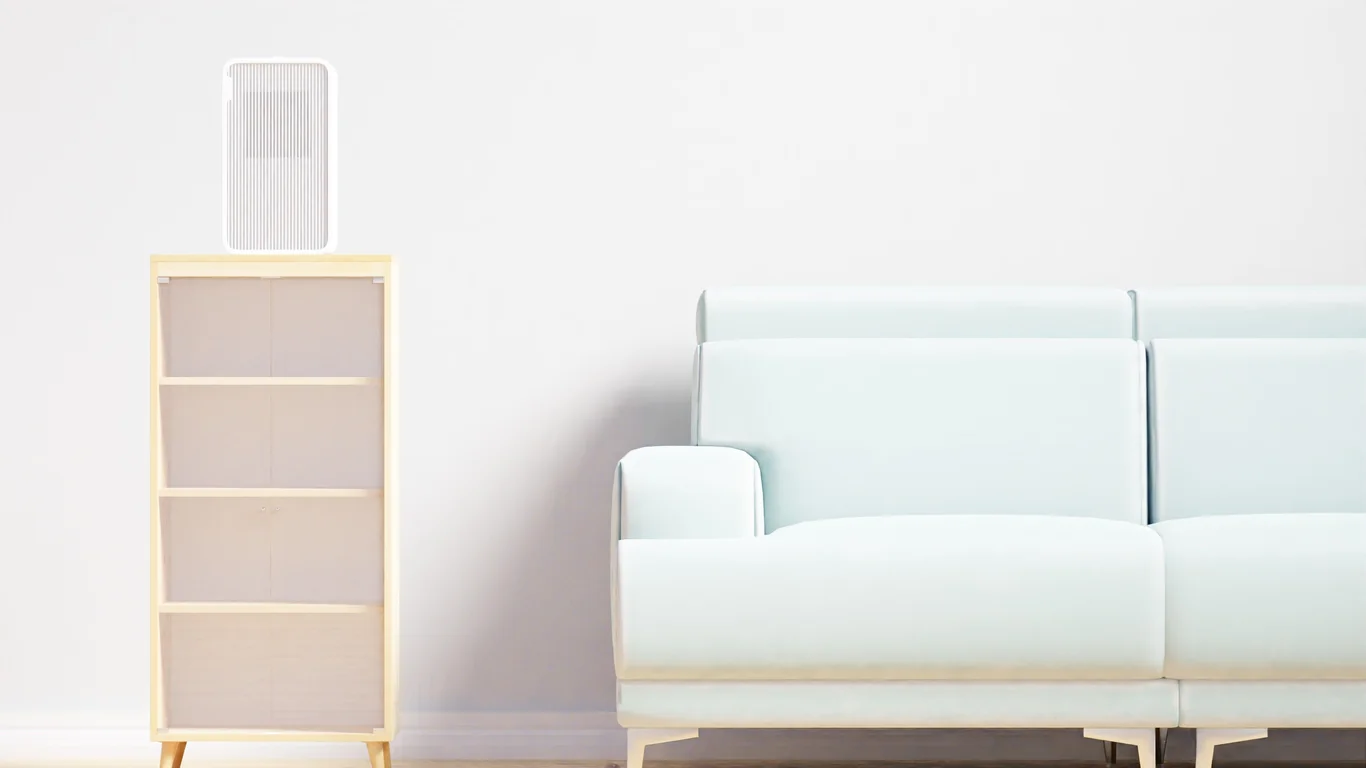
An air purifier pulls room air through a fan and pushes it back out through a stack of filters. Each stage in your unit traps solid or liquid particles floating in the air. None of those stages trap water vapor dissolved in it. The fan moves close to the same volume of air per hour. That holds whether the room is damp or dry. Airflow and humidity are separate physical properties, measured in different units.
Most purifiers push air through three filtration stages, each one aimed at a different particle size:
- Pre-filter: catches large debris such as hair, pet fur, and coarse dust before it reaches the finer stages downstream.
- Activated carbon: adsorbs gas molecules and odors through a porous carbon surface. That is a chemical process with nothing to do with particle size.
- HEPA filter (high-efficiency particulate air): traps at least 99.97% of particles as small as 0.3 microns (about 1/100th the width of a human hair). That is the size range hardest for any filter to catch.
That 0.3-micron figure (about 1/100th the width of a human hair) is not random. Engineers call it the most penetrating particle size (MPPS). At that exact size, particles are too small to be caught by impact. They are also too large to be reliably caught by diffusion, the two mechanisms HEPA filter media relies on. According to the EPA, air cleaners are built to filter airborne particles from indoor air. That job description stops at particles and never reaches moisture.
Air Purifier vs. Humidifier vs. Dehumidifier: Key Differences
Air purifiers, humidifiers, and dehumidifiers often get grouped together. All three sit in the same aisle and claim to improve indoor air. Yet they solve three different problems. A purifier’s performance is measured in CADR (Clean Air Delivery Rate). That spec is tested under ANSI/AHAM AC-1-2020 for smoke, dust, and pollen particles only. The rating has no humidity component at all. A humidifier adds water vapor to dry air. A dehumidifier pulls water vapor out of damp air. A purifier does neither.
The confusion is understandable. All three run continuously, and each needs a filter, wick, or tank replaced on a schedule. Most also list a coverage-area spec in square footage on the box. That shared spec makes the three look interchangeable at a glance. None of that changes what happens inside the machine. A purifier traps particles, while a humidifier and dehumidifier move water vapor in opposite directions.
The table below lines up all three device types side by side for a quick decision reference:
| Device | Primary Function | Effect on Humidity | Best-Use Case |
| Air Purifier | Filters particles and allergens out of the air | None, relative humidity is unaffected | Dust, pollen, pet dander, wildfire smoke |
| Humidifier | Adds water vapor to the air | Raises relative humidity | Dry winter air, static shock, dry skin or sinuses |
| Dehumidifier | Removes water vapor from the air | Lowers relative humidity | Damp basements, humid climates, mold-prone rooms |
Does an Air Purifier Help With Allergies?
A HEPA air purifier does help with allergies, just through a different mechanism than humidity control. Dust mite droppings, pet dander, mold spores, and pollen are all solid particles small enough to stay airborne. A true HEPA filter captures at least 99.97% of particles at 0.3 microns and larger, the same rating covered above. An air purifier for allergies works by physically pulling those triggers out of the air you breathe. It does not change how wet or dry your room feels.
There is a real link between the two topics, even though the purifier itself never touches moisture. Two of the biggest indoor allergens, dust mites and mold, both reproduce fastest above roughly 50% relative humidity. That figure comes from EPA guidance on mold and moisture control. Keeping humidity in a healthy range and running a HEPA filter are two separate habits. Together they work toward the same goal: fewer allergy triggers in the air you breathe.
Anyone weighing an air purifier’s allergy benefit against a humidifier’s benefit is comparing two different problems: particles versus moisture. A HEPA air purifier only helps with allergies if it uses a genuine HEPA filter. A filter simply labeled HEPA-type is not the same thing, because that label skips the 99.97% particle-capture standard altogether. It offers no guaranteed capture rate at all.
When You Actually Need a Humidifier or Dehumidifier Instead
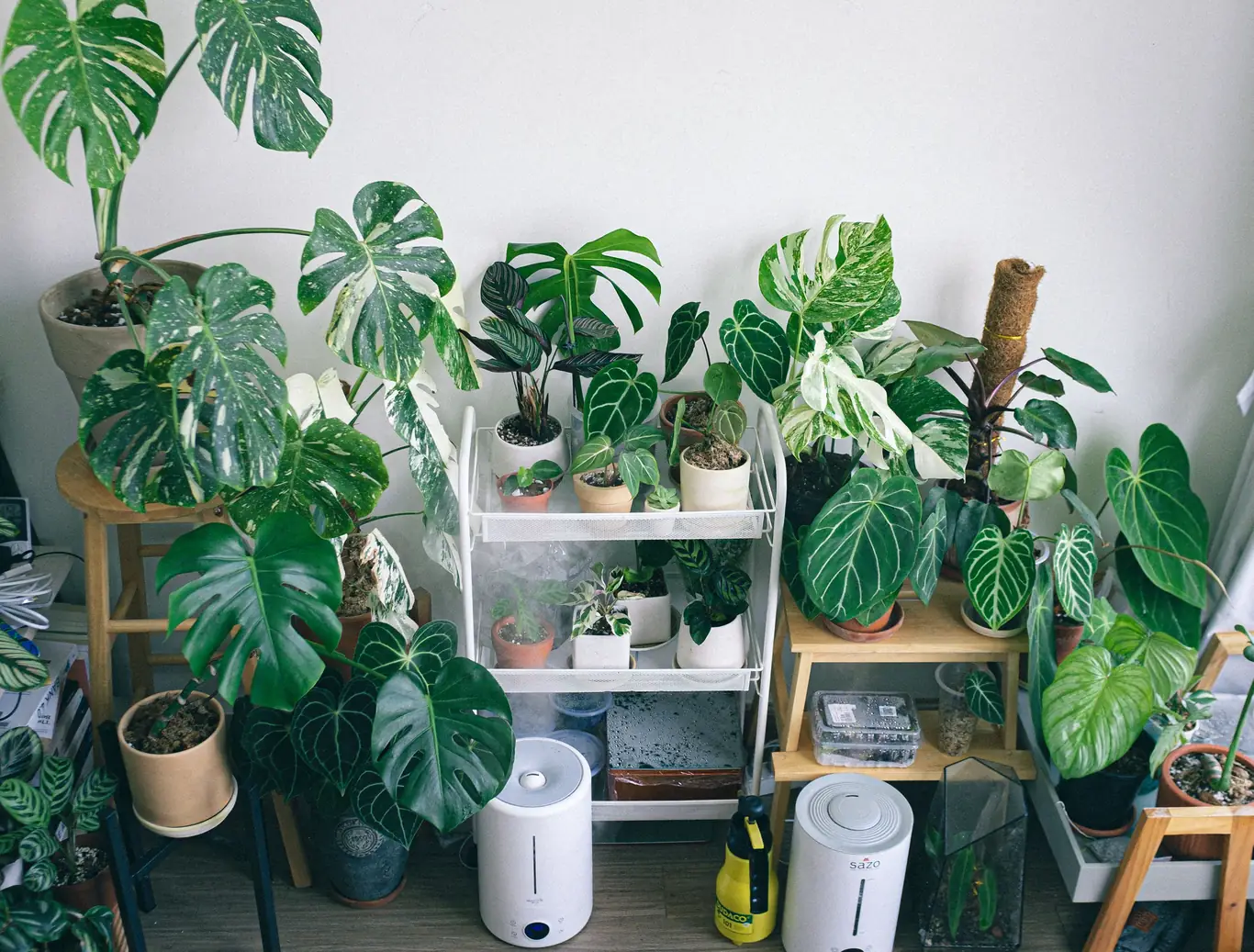
The answer does not change by season. An air purifier helps with humidity the same way in winter as in July. It filters particles, not moisture, every time.
Figuring out what your room needs takes three simple steps, and none of them involve guessing:
- Measure your room’s relative humidity with an inexpensive hygrometer instead of guessing from how the air feels.
- Compare the reading against the healthy 30% to 50% range recommended for most homes.
- Add a humidifier if the reading runs low, the most common case once winter heating dries out already-dry outdoor air.
- Add a dehumidifier if the reading runs high, more common in humid climates, bathrooms, and basements.
- Keep the air purifier running either way, since it handles the separate, ongoing problem of airborne particles.
The 30% to 50% range is not random. It comes from EPA guidance on mold and moisture control. That guidance recommends staying inside that band to limit the conditions mold and dust mites need to multiply. A hygrometer costs less than a dinner out and removes the guesswork entirely. Running the air purifier throughout does not change this calculation in either direction.
How We Research
We check every claim against primary sources. Federal agencies like the EPA and CDC come first. Certification bodies like NSF and AHAM come next. We verify each standard number against the issuing body. We review this guide on a set schedule.
Why Trust This Guide
Puritisimo covers only water and air quality. Our guidance is editorial and independent. We cite every health figure so you can check it. We never present a promotional claim as fact.
The Bottom Line on Air Purifiers and Humidity
An air purifier and a hygrometer solve two different problems. Confusing them can waste your money on the wrong fix. A purifier’s fan, pre-filter, activated carbon stage, and HEPA filter all work on airborne particles. That list includes dust, pollen, pet dander, mold spores, and smoke. None of that machinery touches water vapor. A room’s relative humidity stays where it started, whether the reading is 25% in January or 65% in July.
A humidifier and a dehumidifier are the tools built for that separate job. Running one of them alongside a purifier, rather than instead of it, clears both problems out of a room. Understanding what an air purifier does for humidity comes down to one fact. It filters what is floating in the air, not what is dissolved in it.
Frequently Asked Questions
Does an air purifier help with humidity in winter?
An air purifier does not help with humidity, in winter or any other season. Its fan and filters move air without adding or removing water vapor. According to the EPA, air cleaners are designed to filter particles from indoor air, not to condition it. Fixing dry winter air calls for a humidifier, not a purifier.
Is it better to have a humidifier or air purifier?
Neither is better, because they are not competing for the same job. A humidifier adds moisture to dry air. An air purifier removes particles such as dust and pollen no matter what the humidity reading is. Most bedrooms and living rooms do best with both machines running at once. One is for air quality, one is for moisture, rather than picking a single winner.
Do I need a dehumidifier if I have an air purifier?
Yes, if a hygrometer reading stays above 50% relative humidity for more than a few days at a time. An air purifier will not bring that number down, no matter how often the filters are changed. It has no mechanism for removing water vapor. A dehumidifier is the only appliance built to pull excess moisture out of a room.
Is 70% humidity too high for a room?
Yes, 70% relative humidity sits well above the 30% to 50% range most health guidance recommends for indoor spaces. At that level, mold and dust mites have exactly the damp conditions they need to multiply. Books, wood furniture, and drywall also face a higher risk of moisture damage. A dehumidifier, not an air purifier, brings that number down.
What are the disadvantages of an air purifier?
An air purifier has real limits. It does nothing for temperature or humidity, since its job is limited to airborne particles. Without an activated carbon stage, it will not remove gases, volatile organic compounds (VOCs), or cooking and pet odors either. Filters also need regular, recurring replacement, which adds an ongoing cost, and most units get noticeably louder on their highest fan speeds.
References
- EPA. Guide to Air Cleaners in the Home. U.S. Environmental Protection Agency.
- AHAM Verifide. AHAM’s Air Filtration Standards. Association of Home Appliance Manufacturers.
- EPA. A Brief Guide to Mold, Moisture, and Your Home. U.S. Environmental Protection Agency.
Medical Disclaimer: This content is for informational purposes only. It is not a substitute for professional medical advice, diagnosis, or treatment. If you have concerns about your water quality or air quality and their effects on your health, consult a qualified healthcare professional.