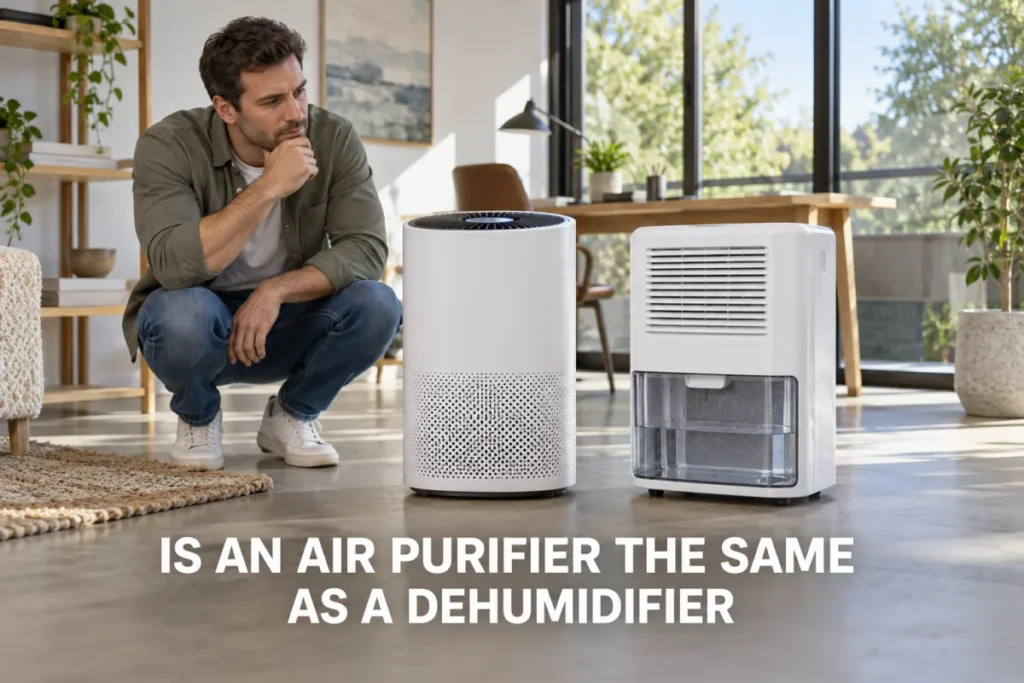
An air purifier is not the same as a dehumidifier. An air purifier is a device that filters particles out of the air. A dehumidifier is a separate machine that pulls extra water vapor out of a room. Both machines often sit on the same store shelf and get sold as air quality tools. But they solve two different problems. One clears out dust, smoke, and allergens. The other lowers moisture that leads to musty smells and mold.

That gap matters more than the aisle display suggests. By the end, you’ll know exactly when each device earns its keep. You’ll also know the one case, a damp or musty basement, where running both together pays off. Then you won’t have to guess which one to buy first.
Key Takeaways
- Air purifiers filter particles with a fan and HEPA filter (a screen that traps tiny particles), while dehumidifiers pull water vapor out of the air.
- Keeping indoor humidity between 30% and 50% is the main defense against mold growth, per the EPA.
- Basements and mold-prone rooms usually need both a dehumidifier and an air purifier running together.
- Combo units exist, but they typically trade CADR (Clean Air Delivery Rate) and tank capacity for a smaller footprint.
Is an Air Purifier the Same as a Dehumidifier?
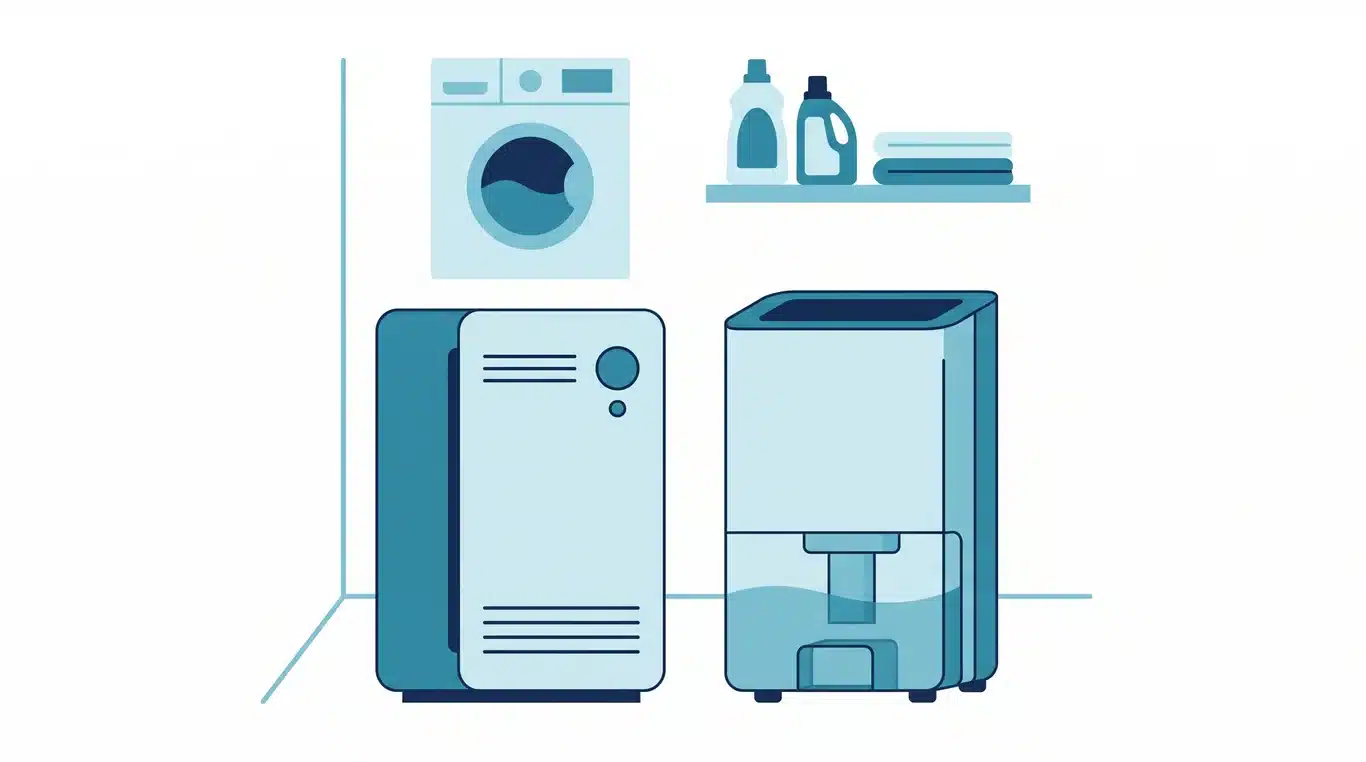
An air purifier and a dehumidifier are two different machines built for two different jobs. An air purifier pulls air through a filter to trap dust, pollen, smoke, and other particles. A dehumidifier pulls moisture out of the air and collects it as water.
Air purifiers sold in the United States are commonly rated for CADR (Clean Air Delivery Rate). This number shows how fast a unit clears smoke, dust, or pollen from a room. Testing follows AHAM Verifide standards. A dehumidifier has no matching particle rating, since its output is measured in pints of water pulled from the air per day, not air cleaned.
The mix-up usually comes from where the two machines get sold, not from what they do. Retailers often shelve both under a general “air quality” label. Humidifiers show up on the same shelf too, which is why shoppers just as often wonder whether an air purifier is the same as a humidifier. Some models even share a similar tower shape. But the parts inside do not overlap at all. A HEPA filter has no way to condense water vapor. A chilled coil has no way to trap a dust particle.
A purifier uses a fan and a HEPA filter to pull airborne particles like dust and pollen out of the air, tested under AHAM Verifide’s Clean Air Delivery Rate standard.
How an Air Purifier Actually Differs From a Dehumidifier
An air purifier and a dehumidifier solve two different problems, and the machinery inside each one proves it. A purifier’s fan pushes air through a HEPA filter (high-efficiency particulate air, a mesh screen fine enough to trap at least 99.97% of particles at its hardest-to-catch size). This filter traps dust, pollen, and smoke as they pass through. A dehumidifier’s fan works another way. It pulls air across a chilled coil. This turns the water vapor in that air into liquid, then drains it into a tank or a hose.
The hardest particle for a HEPA filter to catch is not the smallest one. It measures about 0.3 microns, the size researchers call the Most Penetrating Particle Size (MPPS). This size is too small for the filter to trap by direct hits. It is too large to be caught by chance collisions. Air purifiers are tested under AHAM Verifide’s Clean Air Delivery Rate (CADR, the cubic feet of filtered air a purifier delivers each minute). This rating is measured on its own for tobacco smoke, dust, and pollen.
Air Purifier vs Dehumidifier at a Glance
Both machines plug into a standard outlet and run all the time, but they are sized differently. A bigger room needs a purifier with a higher CADR, or a dehumidifier rated to remove more pints per day. In a large room, that sizing gap widens fast. A too-small purifier barely lowers particle counts. A too-small dehumidifier never reaches its target range. For moisture, the EPA says to keep indoor relative humidity (RH, the amount of moisture air holds compared to its maximum at that temperature) between 30% and 50%. That is the main lever a dehumidifier controls.
Leaving the purifier on at night is fine and works better. Cycling the unit off and on lets particle counts climb back up. Most purifiers draw under 100 watts on a normal setting. Pick a model with a sleep mode if fan noise disrupts sleep.
Compare the two side by side:
| Device | What It Removes | Target Metric | Ideal Range or Standard | Best For |
| Air Purifier | Airborne particles: dust, pollen, smoke, pet dander | CADR (cubic feet per minute) | Smoke CADR at least two thirds of room square footage | Allergies, smoke, pet dander |
| Dehumidifier | Water vapor in the air | Pints removed per day | 30% to 50% relative humidity | Musty odors, condensation, mold-prone rooms |
| Combo Unit | Both, at reduced capacity | Smaller CADR and pint rating than standalone units | Same targets, scaled down | Small apartments, limited floor space |
Using an Air Purifier and Dehumidifier Together for Mold and Basements
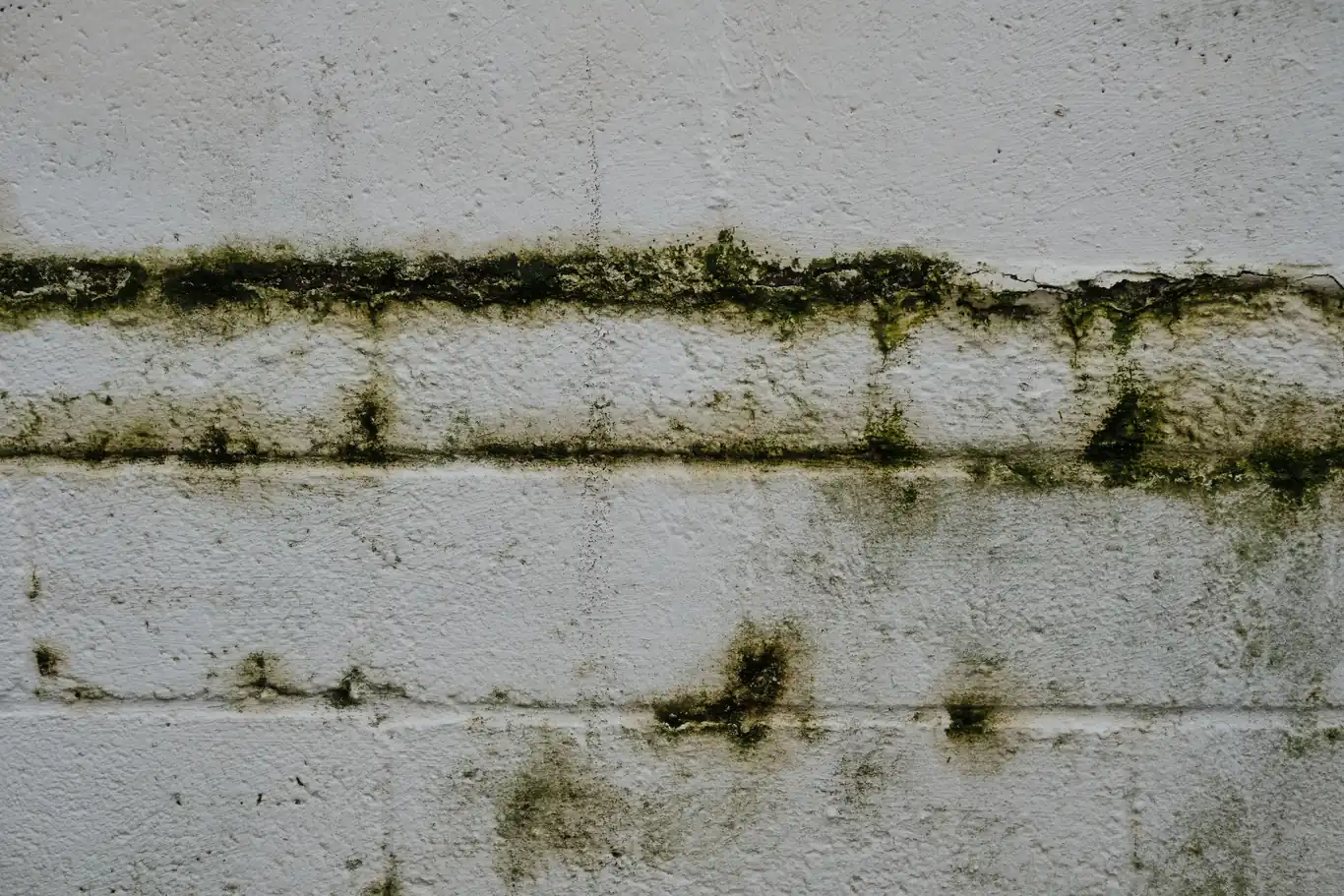
Basements and other mold-prone rooms are the one case where both machines earn their keep. A dehumidifier controls the moisture mold needs to grow. An air purifier captures the spores already released into the air. The EPA’s 30% to 50% humidity target from the section above is the main defense against new mold growth. Humidity control is generally the more effective lever on its own than filters alone.
Consider running both machines together if you notice:
- A musty smell that lingers after airing the room out
- Visible condensation on windows, pipes, or walls
- A room with no HVAC return, like many basements
- Allergy or asthma symptoms that flare in one specific room
- Mold spots that reappear soon after cleaning, since an air purifier only clears the spores already airborne, not the moisture feeding new growth
Choosing the Right Setup for Pet Owners and Smokers
Pet dander and tobacco smoke are particle problems, not moisture problems. A dehumidifier will not help with either one. According to the CDC, more than 27 million Americans live with asthma. That includes 8.6% of adults and 6.5% of children. Airborne triggers like pet dander and smoke are common flare points for both groups. Knowing what an air purifier does before you shop matters more than comparing wattage numbers.
What matters for these homes is the purifier itself, not a moisture add-on. Look for a true HEPA filter rather than a HEPA-type filter. HEPA-type is not an official standard, and it often catches far fewer particles. Homes with a smoker should check the tobacco-smoke CADR number, one of three AHAM-rated particle types, rather than the general dust or pollen figures. An activated carbon layer also matters here. It is what actually pulls smoke odor out of the air, not the HEPA filter.
Buying an All-in-One Air Purifier and Dehumidifier Combo
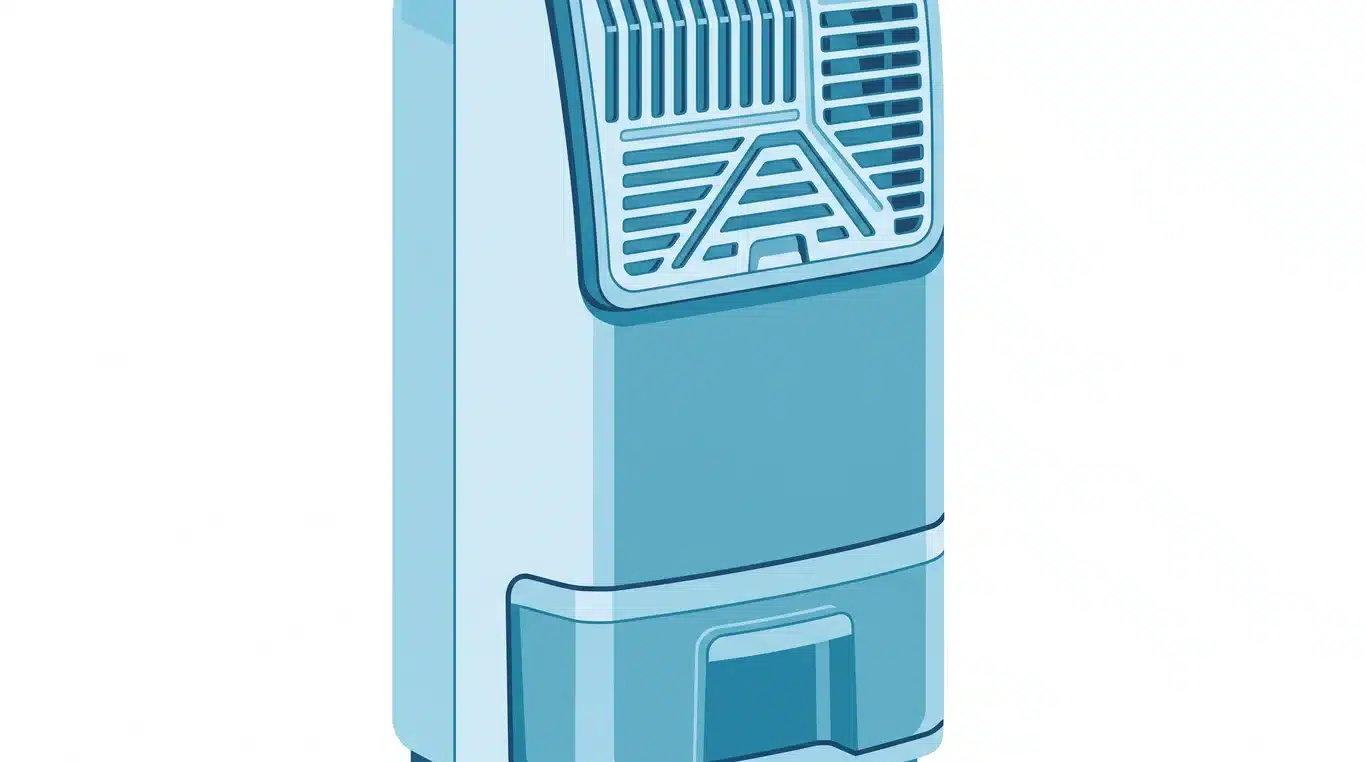
Combo units that filter air and pull moisture in one machine are common at hardware stores and department stores. They trade some power for a smaller footprint. A combo typically runs a smaller CADR and a smaller tank than two separate machines would. Check the specs before deciding if the combo is worth it. If a combo does not fit your room, our guide to the best air purifier for your space compares standalone models by CADR.
Work through these four checks before buying one:
- Check the CADR rating against the room’s square footage
- Check the pints-per-day rating against the room’s typical humidity level
- Check whether the tank empties manually or drains continuously through a hose
- Check the cost to replace filters, since combo units often need brand-specific filters that cost more than filters for separate machines
How We Research
We check every claim against primary sources. Federal agencies like the EPA and CDC come first. Certification bodies like NSF and AHAM come next. We verify each standard number against the issuing body. We review this guide on a set schedule.
Why Trust This Guide
Puritisimo covers only water and air quality. Our guidance is editorial and independent. We cite every health figure so you can check it. We never present a promotional claim as fact.
Which Machine Actually Solves Your Problem
Choosing between these two machines comes down to what is actually wrong with your air. Pick an air purifier for dust, pollen, pet dander, or smoke. Pick a dehumidifier for a musty smell, condensation, or a mold-prone basement. Some rooms genuinely need both running at once, and that overlap is the exception, not the rule.
Neither device is a universal fix. Buying the wrong one for the problem wastes money without solving it. Look at what you are smelling or seeing in the room first. That is the clearest way to see that an air purifier is not the same as a dehumidifier.
Frequently Asked Questions
Is an air purifier the same as a dehumidifier?
An air purifier is not the same as a dehumidifier, even though both machines treat indoor air. A purifier uses a fan and a HEPA filter to pull airborne particles like dust and pollen out of the air, tested under AHAM Verifide’s Clean Air Delivery Rate standard. A dehumidifier pulls water vapor out of the air with no particle filter at all.
What is better, an air purifier or dehumidifier?
Neither device is always better since they solve different problems. Choose a purifier if you are dealing with dust, allergens, or smoke. Choose a dehumidifier if the issue is a musty smell, condensation, or visible mold. Many mold-prone rooms genuinely benefit from running both at once.
Can a dehumidifier be used as an air purifier?
A dehumidifier cannot work as an air purifier because it has no filter and captures no airborne particles. There is one indirect benefit: lowering indoor humidity below 50% relative humidity, the EPA’s target for stopping mold, slows mold and dust mite growth. That is still not the same as removing dust, pollen, or smoke from the air.
Is there a downside to air purifiers?
Yes, air purifiers have three real downsides. Some older or ionizing models generate ozone as a byproduct, and ozone itself irritates the lungs. Filters need regular replacement, which adds to the running cost. An air purifier also does nothing for humidity or moisture problems, which is the gap a dehumidifier fills.
Is there an air purifier and dehumidifier in one?
Yes, combo units that filter air and remove moisture in a single machine do exist. The standard tradeoff is a smaller footprint against a lower CADR and a smaller water tank than two separate machines would offer. They work best in small apartments where floor space matters more than top performance.
References
- EPA. A Brief Guide to Mold, Moisture, and Your Home. 2024.
- CDC. Asthma. FastStats, National Health Interview Survey. 2024.
- AHAM Verifide. AHAM’s Air Filtration Standards. Association of Home Appliance Manufacturers. 2024.
Medical Disclaimer: This content is for informational purposes only. It is not a substitute for professional medical advice, diagnosis, or treatment. If you have concerns about your water quality or air quality and their effects on your health, consult a qualified healthcare professional.