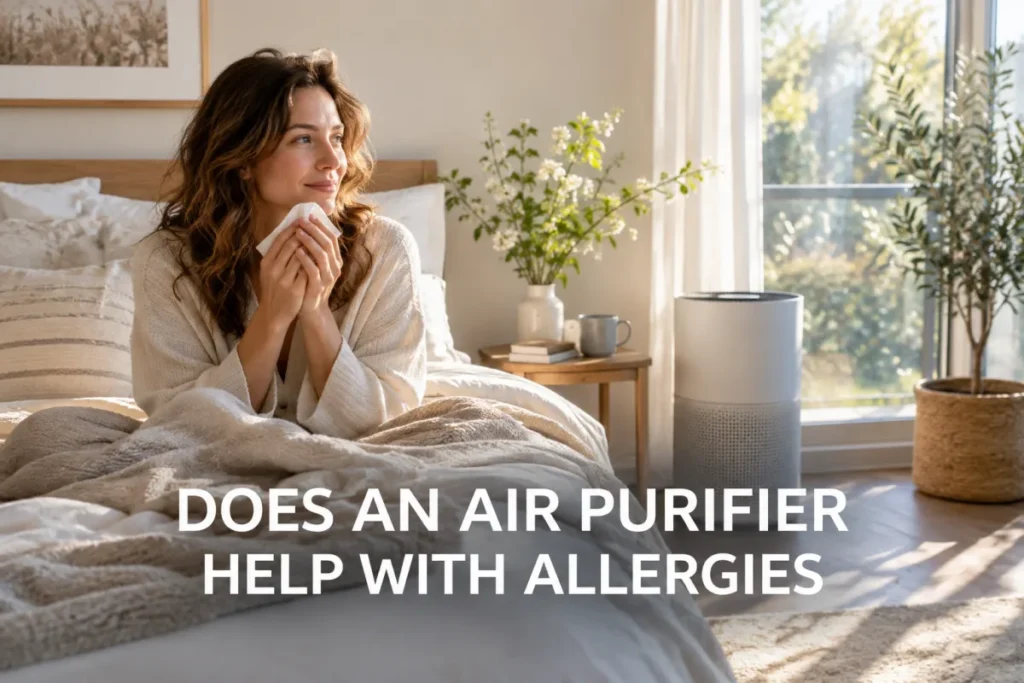
An air purifier helps with allergies by trapping airborne pollen, dust, and pet dander from indoor air. Most models rely on HEPA filtration (a filter that traps nearly all airborne particles, including common allergens) to do this work. Relief is not often instant, though. It tends to build over several weeks, and works best when the unit runs in the room where you spend the most time.

By the end of this guide, you will know how HEPA filtration captures allergens. You will also see what the research does and does not support. And you will know how to check that a unit is genuinely certified for allergy relief, not just labeled that way on the shelf.
Key Takeaways
- Air purifiers clearly reduce airborne allergens like pollen, dust, and pet dander, but relief often takes weeks.
- A 2020 meta-analysis of 10 randomized trials found a real asthma quality-of-life gain with air purifier use.
- Cat allergen Fel d 1 lingers in almost every U.S. home and needs weeks of steady HEPA use to reduce.
- Check for AHAM Verifide and asthma and allergy friendly certification instead of trusting a maker’s room-size claims alone.
Does an Air Purifier Help With Allergies?
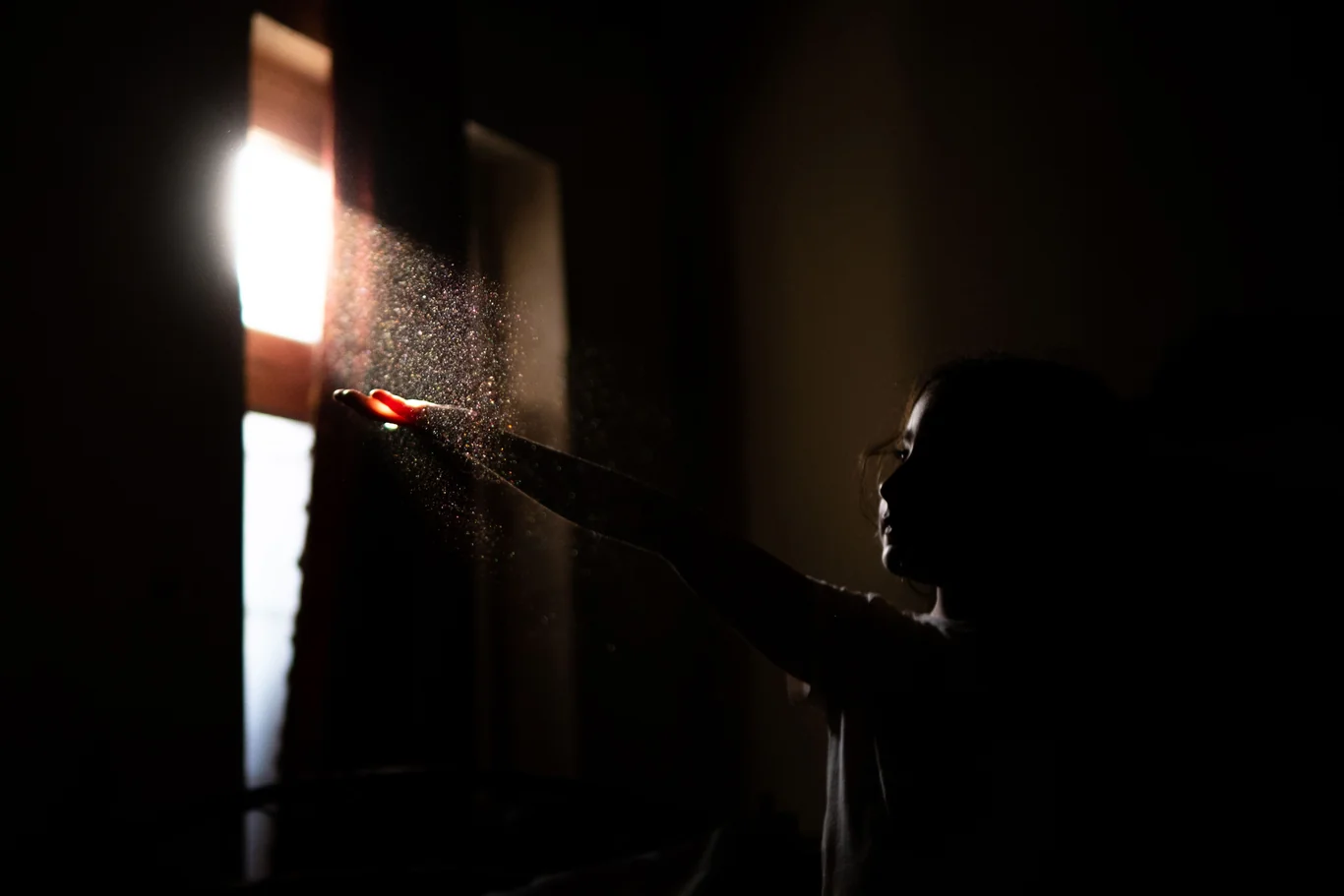
An air purifier helps with allergies by nonstop pulling airborne pollen, dust, and pet dander out of the room. This lowers the amount of allergen your body reacts to. The effect is real but partial: it cuts contact, it does not remove every trigger, and results build over weeks rather than overnight.
About 31.7% of U.S. adults had a diagnosed seasonal allergy, eczema, or food allergy in 2024, which is part of why indoor air quality gets so much attention. A 2020 clinical study on patients with allergic rhinitis (chronic nasal allergy symptoms). It found that running an air purifier clearly reduced the airborne particulate matter linked to their symptoms.
The scale of the effect depends on the allergen. Fine particles like pollen fragments and pet dander clear from the air fastest, while heavier dust settles onto surfaces before a purifier can capture it. That is one reason results vary between households, and why placement and filter type matter as much as owning a unit at all.
A randomized trial found that people with allergic rhinitis who ran a HEPA purifier needed much less allergy medicine than those who did not.
How HEPA Filtration Removes Airborne Allergens

A true HEPA filter (high efficiency particulate air) must remove at least 99.97% of particles down to 0.3 microns (about 25,000 to an inch). That is about one hundredth the width of a human hair. It is also the benchmark the EPA uses to define the standard. This single number is why a HEPA air purifier sits at the center of most allergy relief advice.
The hardest particle for a HEPA filter to catch is not the smallest one. It is 0.3 microns, called the most penetrating particle size (MPPS). At that size, particles are too small for the filter’s fibers to intercept easily. They are also too large for random motion to catch them reliably. Particles both larger and smaller than 0.3 microns get captured with even higher efficiency. So the 99.97 percent figure is really HEPA’s worst-case performance, not its average.
Allergens vary widely in size, and that range decides how quickly a HEPA filter clears them from the air:
- Dust mite debris: 0.5 to 50 microns, mostly fecal pellets and body fragments. HEPA captures it, but the heaviest particles often settle onto carpet and furniture before the purifier can pull them back into the air.
- Pet dander: typically 5 to 10 microns, though a meaningful share is smaller and stays airborne much longer than heavier dust.
- Pollen: 10 to 100 or more microns, among the easiest particles for a HEPA filter to remove.
- Mold spores: 2 to 20 microns, effectively captured, though controlling indoor humidity still matters more for stopping new mold growth than filtration does.
What the Research Says About Allergy and Asthma Relief
Evidence for air purifiers is not uniform. Knowing which claims rest on solid research matters more than any single statistic. A 2020 meta-analysis pooled 10 randomized controlled trials covering 482 asthma patients. It found a real gain in quality of life scores, measured on the AQLQ (Asthma Quality of Life Questionnaire). Airway inflammation also dropped on the FeNO test (fractional exhaled nitric oxide, a breath test for lung swelling). The gain showed up mainly in people with mild to moderate asthma.
A second randomized trial looked at people with allergic rhinitis, a chronic nasal allergy. Those who ran a HEPA purifier needed much less allergy medicine than those who did not. Researchers also measured a drop in the airborne particles linked to allergic airway irritation.
None of this happens overnight. The American Academy of Allergy, Asthma, and Immunology notes it can take one to two years of consistent use before an air purifier clearly helps. Short, single-session trials often show no effect at all.
For a compact bedroom option with an AHAM-certified CADR suited to that steady, room-focused use, my Core 300-P HEPA purifier review covers the filter performance and replacement schedule.
Lined up by evidence strength, the research looks like this:
| Claim | Evidence Strength | Key Finding |
| Indoor PM2.5 reduction | Strong | A 148-study review found HEPA purifiers cut indoor PM2.5 by a mean of 49 percent. |
| Asthma quality of life | Fair | A 10-RCT meta-analysis found a real AQLQ gain of 0.36 points with air purifier use. |
| Allergic rhinitis symptoms | Fair | A randomized trial found reduced allergy medicine need with steady HEPA use. |
| Respiratory infection prevention | Weak or unsupported | Current systematic reviews have not confirmed fewer colds or respiratory infections from air purifier use. |
Do Air Purifiers Help With Pet and Cat Allergies?
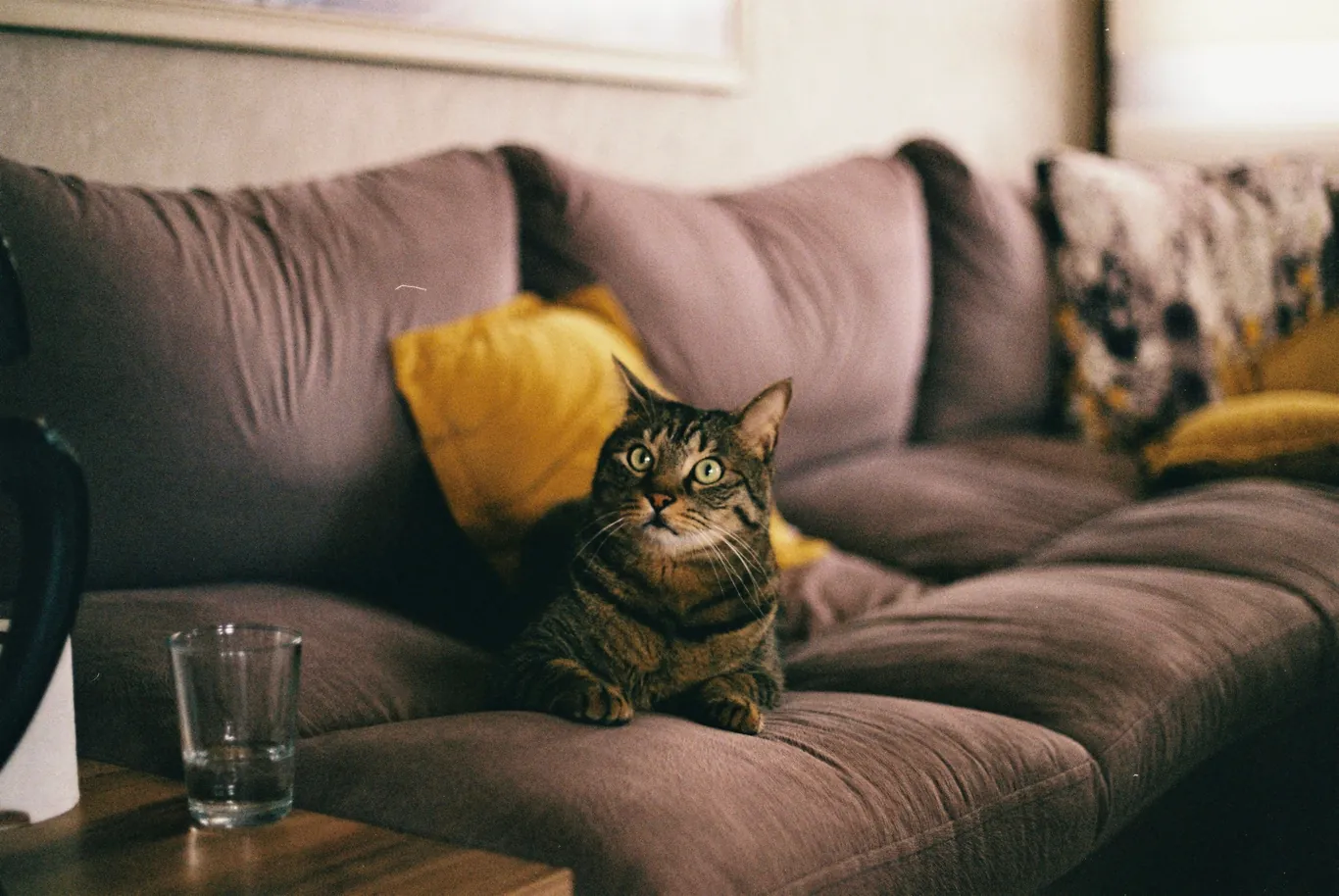
Cat and dog allergens behave differently from pollen or dust. That is why pet owners often need a different approach. Fel d 1 (the main cat allergen protein) turns up in 99.9 percent of U.S. homes regardless of whether a cat lives there. It travels on clothing and settles into fabric and carpet, so contact does not require ever owning a cat. Dog allergen Can f 1 (the main dog allergen protein) is even more widespread, found in essentially every home tested.
The persistence is the real problem for allergy sufferers. After a cat leaves a home, Fel d 1 levels can stay clearly elevated for 20 weeks or longer. Roughly a quarter of pet dander particles measure under 2.5 microns. That is small enough to stay suspended in the air for hours instead of settling like heavier dust.
That persistence is why steady filtration matters more for pet allergies than for seasonal pollen. A purifier that only runs when symptoms flare misses the steady, low-level dander pets shed each day. The smallest particles rarely settle on their own. Running nonstop, not just when symptoms flare, is the detail that actually reduces ongoing cat and dog allergen exposure.
Does an Air Purifier Help With Allergies Completely, or Only Partly?
An air purifier does not clear a home of allergens on its own. Heavy particles like dust mite debris settle onto carpet and furniture within minutes. That is often faster than a purifier’s Clean Air Delivery Rate (CADR) can pull them back into the air. CADR measures how much filtered air a unit produces per minute. Source control, like vacuuming, mattress encasements, and keeping humidity below 50 percent, still does work a purifier cannot, since a purifier does not actually control indoor humidity levels.
Some air cleaners can also work against allergy relief instead of helping it. The EPA warns that ion generators and other ozone-producing air cleaners can raise indoor ozone to levels above what is considered safe under certain conditions. Ozone is a lung irritant. Ionic and electrostatic models are the main culprits, since they charge particles instead of trapping them in a HEPA filter.
None of this means an air purifier is not worth running. The pattern worth remembering is that filtration works best as one supplement to source control. It does not replace cleaning, humidity control, and medicine when symptoms call for it.
For a mid-size allergy-focused option with AHAM-verified particle removal, my Vital 200S-P air purifier review covers the certified figures and noise level at different fan speeds.
What to Look for in an Allergy-Focused Air Purifier
Two purifiers with identical claims on the box can perform completely differently in the same room. The gap almost always comes down to size and certification, not brand name.
A few checks separate a purifier that will really help from one that just moves air around:
- Measure square footage first: each coverage claim on the box is meaningless without this number as a baseline.
- Apply the CADR two-thirds rule: smoke CADR should equal at least two thirds of the room’s square footage, per AHAM’s own testing guidance.
- Aim for a higher ACH if allergies are the concern: target 5 to 6 air changes per hour. ACH counts how many times the unit filters the room’s full air volume each hour. General residential use needs less.
- Confirm third-party certification, not brand claims: look for AHAM Verifide (independent lab verification of a maker’s CADR numbers). Also confirm asthma and allergy friendly certification. It requires removing at least 90 percent of allergens, with at least half captured in the filter rather than pushed back onto surfaces.
- Skip ionizers and ozone-generating models: they add an unnecessary, and potentially irritating, exposure on top of the allergens you are already trying to reduce.
How We Research
We check every claim against primary sources. Federal agencies like the EPA and CDC come first. Certification bodies like NSF and AHAM come next. We verify each standard number against the issuing body. We review this guide on a set schedule.
Why Trust This Guide
Puritisimo covers only water and air quality. Our guidance is editorial and independent. We cite every health figure so you can check it. We never present a promotional claim as fact.
The Honest Answer on Air Purifiers and Allergies
None of this points to a clear yes-or-no answer. The realistic picture sits in between. A HEPA purifier run nonstop in the room where you spend the most time can clearly reduce airborne pollen, dust, and pet dander. The research backs modest but real gain in allergy and asthma symptoms after months of steady use.
It will not fix a home with damp crawl spaces, a cat asleep on the couch, or a filter nobody changes. It will not work within days, either. Buy for the room’s square footage. Verify AHAM Verifide or asthma and allergy friendly certification instead of trusting the box. Then pair the purifier with basic source control. That combination, not the purifier alone, is the honest answer to whether an air purifier helps with allergies in a typical home.
For a larger open-plan room where allergen loads are highest, my Levoit Core 400S review covers the AHAM-certified CADR for a unit built around whole-living-room coverage.
Ionizer and electrostatic models can raise indoor ozone, a lung irritant, to unsafe levels under certain conditions.
Relief also takes time: it can take one to two years of steady use before symptoms noticeably improve.
Frequently Asked Questions
Does an air purifier help with allergies?
An air purifier can help with allergies by trapping airborne pollen, dust, and pet dander before you breathe them in. A randomized trial found that people with allergic rhinitis who ran a HEPA purifier needed much less allergy medicine than those who did not. The effect builds over weeks rather than overnight.
Is there a downside to air purifiers?
Yes, a few. Ionizer and electrostatic models can raise indoor ozone, a lung irritant, to unsafe levels under certain conditions. Filters need regular changing, which adds a real yearly cost, and units run loud on high fan speed. Relief also takes time: it can take one to two years of steady use before symptoms noticeably improve.
Is it okay to sleep with an air purifier on all night?
Yes, running a HEPA purifier all night is safe, and it is often when it does the most good. Allergen levels stay lowest when it runs 24/7, especially for pet dander, which lingers in the air far longer than heavier dust. The only real considerations are noise, so use a low or sleep fan setting, and a small increase in your energy bill.
What’s better for allergies, humidifier or air purifier?
Neither replaces the other, since they solve different problems. An air purifier removes airborne allergen particles from a room. A humidifier adds moisture instead, and can work against allergy relief: indoor humidity above 50 percent relative humidity (RH) encourages dust mites and mold to grow faster. For allergy relief specifically, the purifier is doing the actual removal work.
Does showering at night help with allergies?
It can, as a complementary habit rather than a fix on its own. Showering before bed rinses off pollen and other outdoor allergens that collect on skin and hair during the day, so you are not bringing them onto your pillow. Pair it with a HEPA purifier running in the bedroom overnight for the best combined effect.
References
- Centers for Disease Control and Prevention, National Center for Health Statistics. Diagnosed Allergic Conditions Among Adults: United States, 2024. NCHS Data Brief No. 545. 2025.
- Park HJ, et al. Effects of Air Purifiers on Patients with Allergic Rhinitis. Yonsei Medical Journal. 2020.
- AHAM Verifide. Directory of Certified Air Cleaners and CADR Ratings. Association of Home Appliance Manufacturers. Accessed 2026.
Medical Disclaimer: This content is for informational purposes only. It is not a substitute for professional medical advice, diagnosis, or treatment. If you have concerns about your water quality or air quality and their effects on your health, consult a qualified healthcare professional.