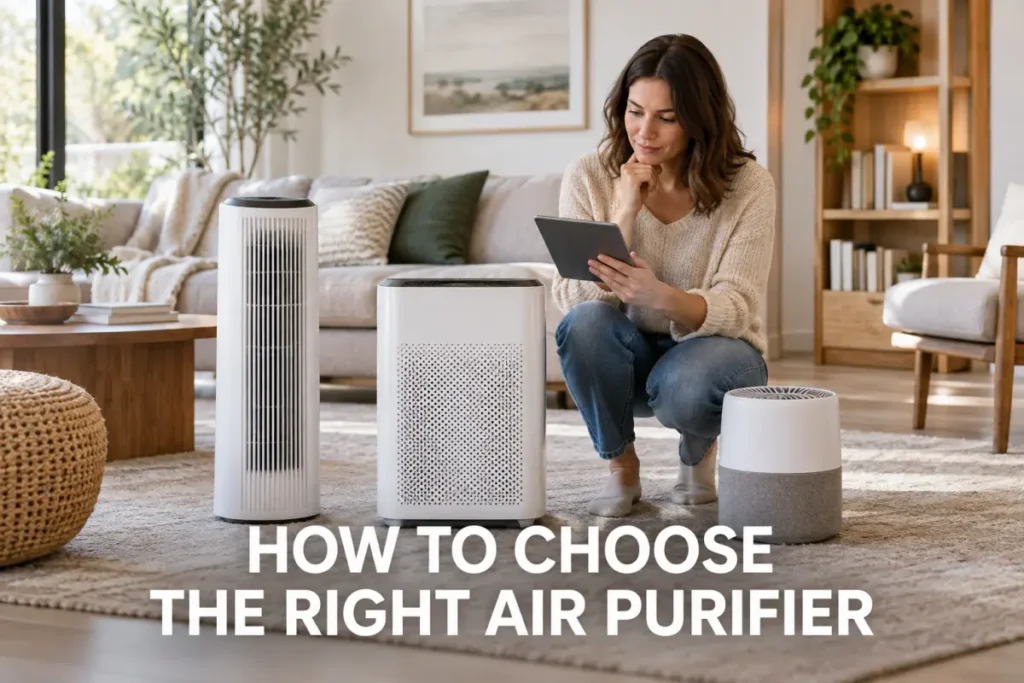
The best air purifier combines true HEPA (high-efficiency particulate air) filtration with airflow strong enough to clean your whole room, not just the air drifting past the intake vents. A label alone does not prove either one. What separates an effective purifier from a weak one is provable performance data, separately tested particle removal paired with airflow sized to your room.

By the end, you will know what to check on the label. That includes HEPA grade, CADR (clean air delivery rate) matched to room size, and certification. Together, these tell a truly effective purifier from an inflated claim. This guide does not recommend a brand or model; it explains the criteria you can verify yourself.
Key Takeaways
- True HEPA traps 99.97% of particles at 0.3 microns (far finer than a human hair), the hardest size to catch.
- HEPA captures dust, mold, and pollen, but not VOCs, gases, or odors.
- Match a unit’s smoke CADR to at least two-thirds of your room’s square footage.
- CARB certifies a cap on ozone output at 50 ppb, a baseline safety requirement.
What Is the Best Air Purifier?
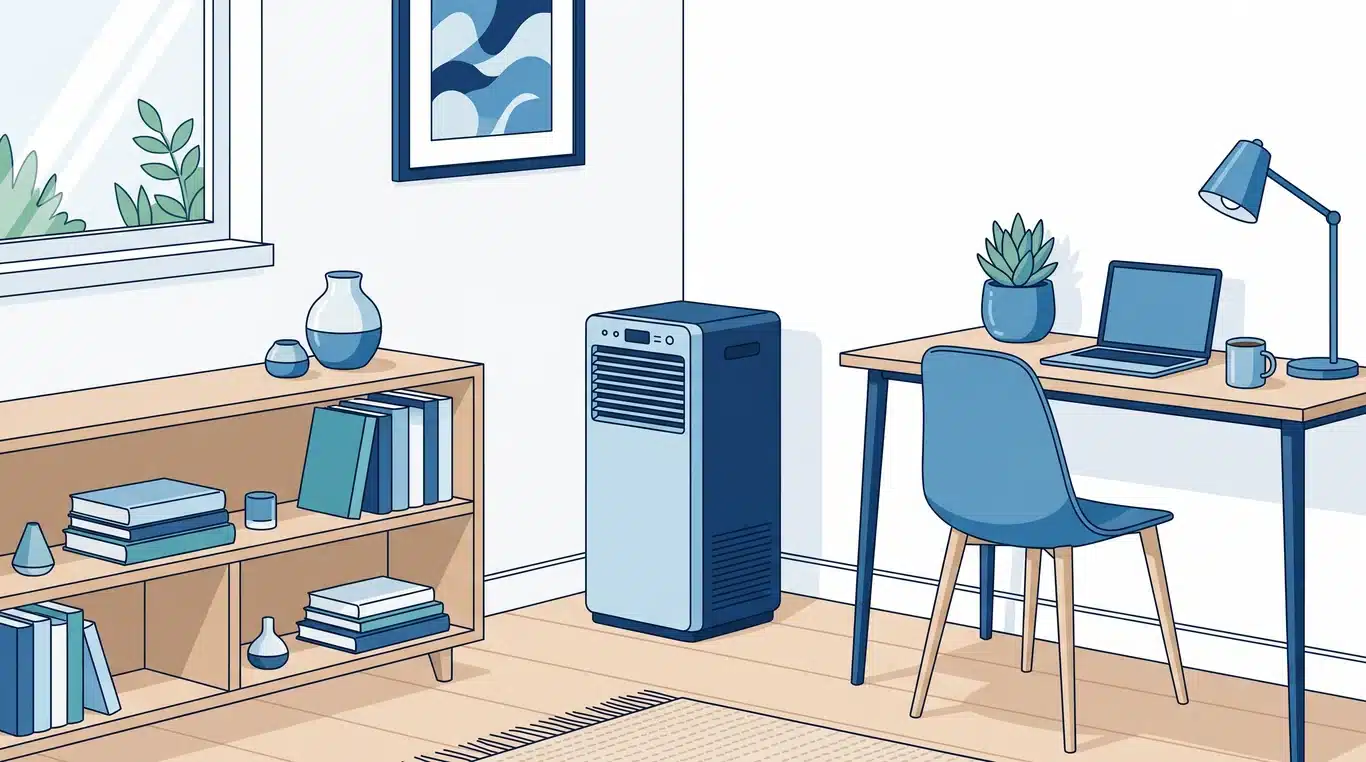
The best air purifier is one whose true HEPA filter carries a verified efficiency rating. Its clean air delivery rate (CADR) also matches the room’s square footage. That rating must come from an actual test, not just a number printed on the box.
That distinction matters because indoor air is not always cleaner than outdoor air. Americans spend about 90% of their time indoors, where common pollutant levels run two to five times higher than outside, according to the EPA. A unit that cannot prove its filtration rate or its coverage area cannot close that gap.
A filter labeled HEPA-type or HEPA-style carries no such guarantee, since neither term is regulated the way true HEPA is. The sections that follow cover how filtration works, what it removes, how to size it, and which certifications back that up.
The best air purifier for allergies pairs a True HEPA filter with a CADR rating sized to the room, using the AHAM 2/3 rule.
A True HEPA filter rated to remove 99.97% of particles at 0.3 microns is a measurable, testable standard, not a vague claim.
Uncertified or ionizing models can also produce ozone above the CARB limit.
How an Air Purifier Actually Works
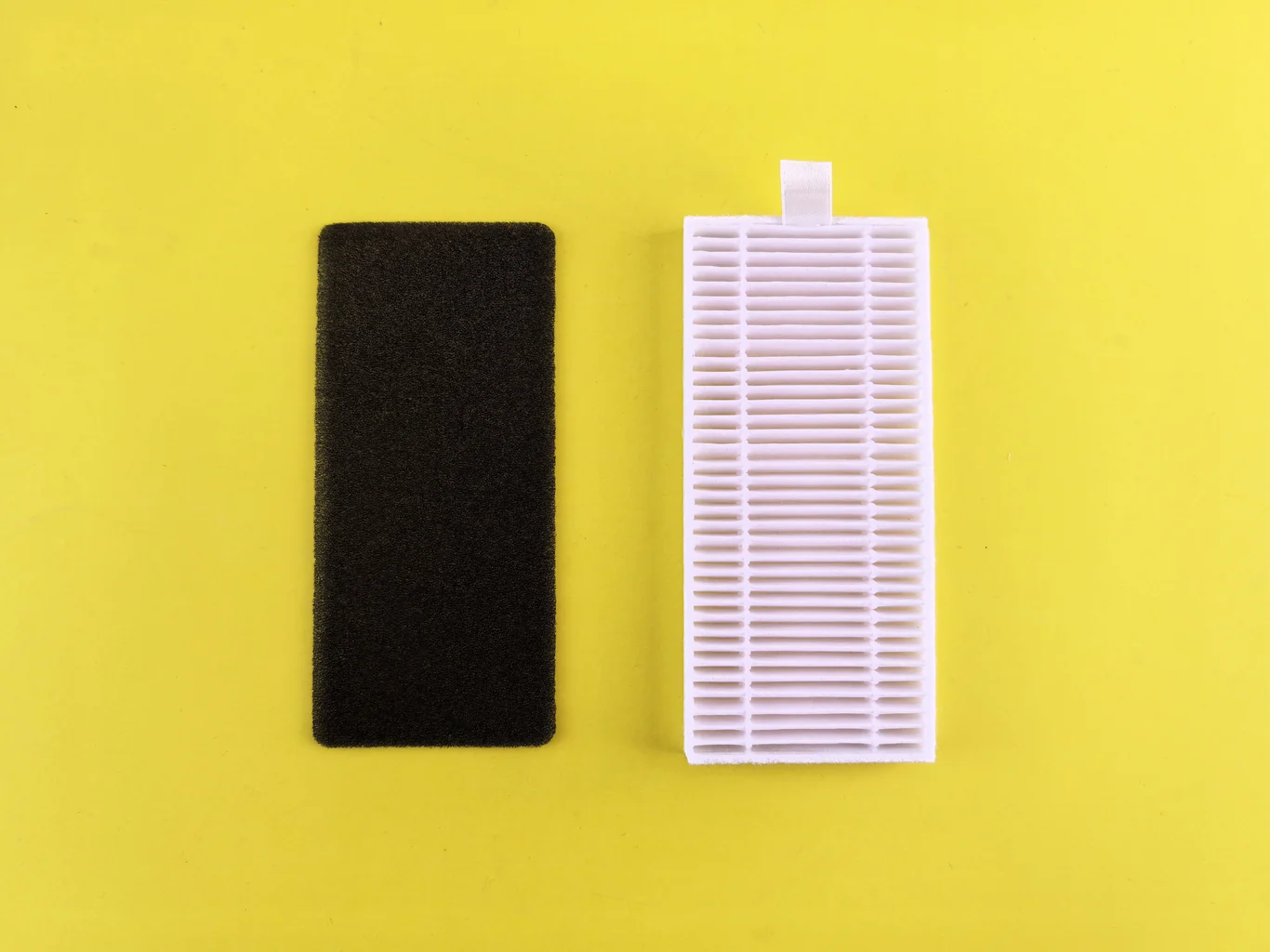
A capable HEPA (high-efficiency particulate air) unit does not clean air in a single pass. It pulls air through a stack of filtration stages. Each stage catches a different kind of particle before returning filtered air to the room. At the center of that stack sits a True HEPA filter. It is rated to capture at least 99.97% of particles at 0.3 microns, the benchmark the EPA uses to define HEPA filtration. That is what an air purifier does at its core: filter the air, not mask it.
That 0.3-micron figure (a micron is one-millionth of a meter) marks the hardest particle size to catch, not the smallest. Very small particles get trapped by diffusion. Larger ones get blocked by impaction. Mid-sized particles near 0.3 microns slip past both mechanisms most easily. Engineers call this the most penetrating particle size (MPPS), and testing a filter against it is what separates a genuine HEPA rating from a vague claim.
A typical HEPA air purifier moves air through three to four filtration stages, in order:
- Pre-filter: a washable or replaceable mesh that traps large debris, hair, and lint, which extends the life of the finer filters behind it.
- Activated carbon: a layer of carbon that adsorbs smoke, odors, and volatile organic compounds (VOCs), the gas-phase molecules a HEPA filter cannot physically trap.
- True HEPA filter: dense pleated media that captures fine particulates, dust, pollen, mold spores, and pet dander, down to 0.3 microns.
- Optional UV-C stage: some units add ultraviolet light aimed at airborne bacteria and viruses, though this stage is not standard on every model.
What Does an Air Purifier Remove From Your Air?
A HEPA-filtered air purifier is truly effective against solid, airborne particulates. The same 0.3-micron capture threshold defined by the EPA covers most of what triggers allergies and respiratory irritation indoors. That includes dust, pet dander, mold spores, pollen, and fine smoke particles.
In practice, a HEPA air purifier captures five common indoor pollutants:
- Dust and dust-mite debris: the particulate matter behind most indoor allergy symptoms.
- Mold spores: airborne fungal particles the filter traps before they resettle on surfaces.
- Pollen: seasonal allergen particles typically 10 to 100 microns, well within HEPA’s capture range.
- Pet dander: microscopic skin flakes small enough to stay airborne for hours.
- Fine smoke particles: combustion byproducts from cooking, candles, or wildfire smoke.
What a HEPA unit cannot do is remove gases. Volatile organic compounds (VOCs), cooking odors, and radon are gas-phase molecules that pass straight through HEPA media untouched, since the filter only stops physical particles. Cutting odors and chemical fumes needs a separate activated carbon stage working alongside the HEPA filter, not instead of it.
How to Size an Air Purifier to Your Room
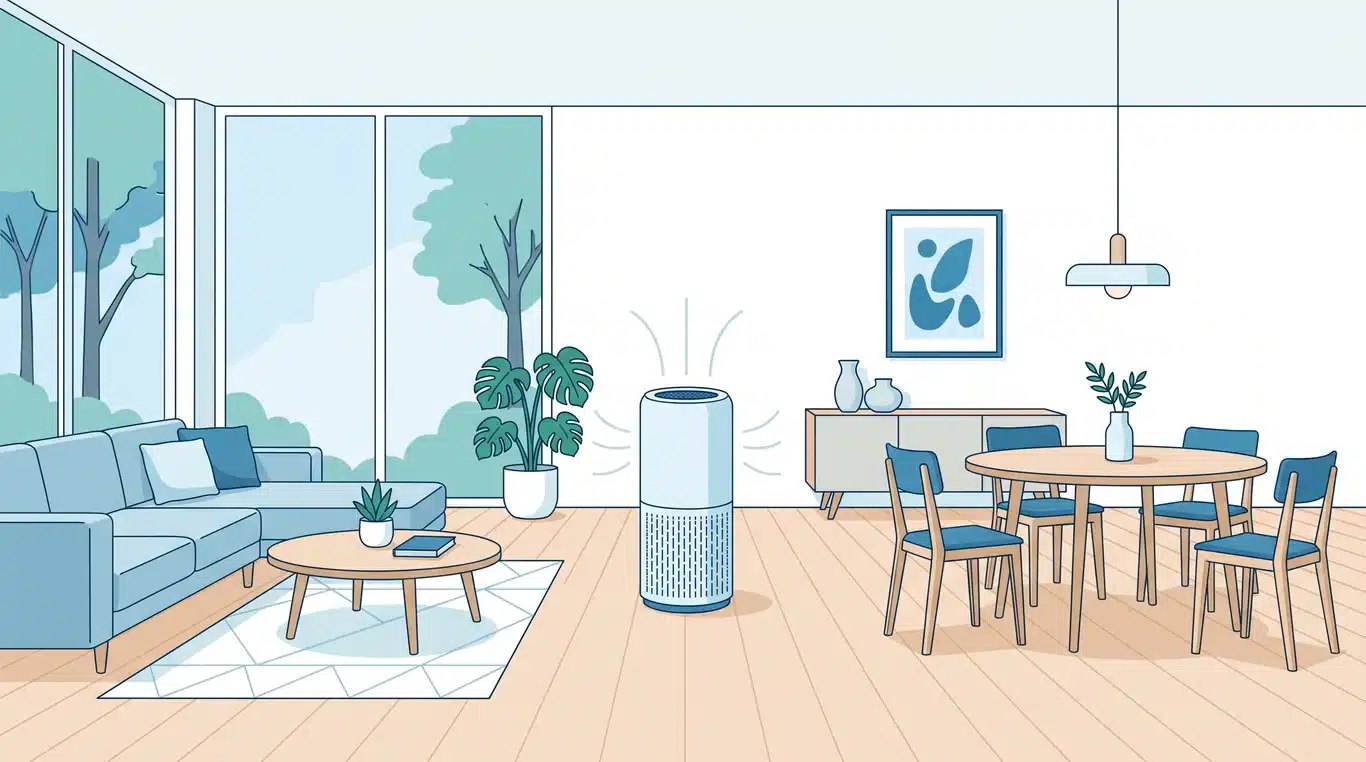
Sizing an air purifier for your home starts with CADR (clean air delivery rate, a measure of how much filtered air a unit produces per minute). The AHAM Verifide (Association of Home Appliance Manufacturers) 2/3 rule sets the baseline. A purifier’s smoke CADR should equal at least two-thirds of the room’s square footage to clear the air at a usable pace.
Coverage numbers on the box are where most buyers get misled. A unit tested at 1 air change per hour (ACH) can legally advertise coverage for a much larger room than it can keep clean. Health agencies recommend closer to 5 ACH for meaningful particle reduction. A unit rated for 1,500 square feet at 1 ACH often covers only around 300 square feet once you apply that stricter standard.
Target smoke CADR by room size, based on the AHAM 2/3 rule, looks like this:
| Room Size | Recommended Smoke CADR | Target ACH |
| Small bedroom (150 sq ft) | 100 or higher | About 5 ACH |
| Living room (300 sq ft) | 200 or higher | About 5 ACH |
| Open-concept space (500 sq ft) | 350 or higher | About 5 ACH |
| Large room (700 sq ft) | 500 or higher | About 5 ACH |
What Is the Best Air Purifier Certification to Look For?
The certifications on the box matter more than the claims printed around them. CARB (California Air Resources Board) certification caps ozone output at 0.050 ppm (50 ppb). That limit is now required for any unit sold in the United States, regardless of where the buyer lives. Ionizing and uncertified electronic units are the ones most likely to exceed it.
Beyond ozone, look for UL or ETL listing. That confirms the unit passed independent electrical safety testing. An ENERGY STAR rating adds a minimum efficiency floor for how much clean air the unit produces per watt of power used. Neither certification says anything about particle-filtering performance, but both rule out a poorly built or wasteful unit.
One label to watch for is “HEPA-type” or “HEPA-like” filtration. Neither term is regulated, and neither guarantees the 99.97%-at-0.3-micron standard that true HEPA media has to meet. A unit that only says True HEPA on the specification sheet, not “HEPA-type”, is the one held to that standard.
How We Research
We check every claim against primary sources. Federal agencies like the EPA and CDC come first. Certification bodies like NSF and AHAM come next. We verify each standard number against the issuing body. We review this guide on a set schedule.
Why Trust This Guide
Puritisimo covers only water and air quality. Our guidance is editorial and independent. We cite every health figure so you can check it. We never present a promotional claim as fact.
Making the Right Call for Your Space
None of this requires guesswork once you know what to check. Start with the filter: confirm the unit uses True HEPA media rated to the 99.97%-at-0.3-micron standard, not a vaguer “HEPA-type” label. Match its smoke CADR to at least two-thirds of your room’s square footage using the AHAM 2/3 rule.
Add an activated carbon stage too if odors or VOCs are a concern, since HEPA media alone will not touch them. Then confirm the certifications, CARB for ozone, AHAM Verifide for CADR accuracy, ENERGY STAR for efficiency, before price becomes the deciding factor. Taken together, that is what makes an air purifier the best fit for a given room, not the brand printed on the front panel.
For rooms connected to HVAC ductwork, my Filtrete 20x25x1 MERV 11 furnace filter review covers how a flat-panel filter upgrade compares for whole-room dust reduction.
Frequently Asked Questions
What is the best air purifier for allergies?
The best air purifier for allergies pairs a True HEPA filter with a CADR rating sized to the room, using the AHAM 2/3 rule. An undersized unit cannot cycle enough air to keep pollen and dander down. Running it on a lower, quieter fan speed continuously beats short bursts on high.
What is the most highly recommended air purifier?
No single model deserves that title without context. A truly well-recommended air purifier verifies True HEPA efficiency of 99.97% at 0.3 microns and matches its CADR to the room. It also carries independent certification rather than relying on the manufacturer’s own claims.
Is there an air purifier that actually works?
Yes, when it is matched correctly to the room. A True HEPA filter rated to remove 99.97% of particles at 0.3 microns is a measurable, testable standard, not a vague claim. Even so, the EPA is clear that no air cleaner eliminates every indoor pollutant, so ventilation and source control still matter.
Which brand is best for air purifiers?
No brand name is a reliable shortcut. AHAM Verifide participation means a unit’s CADR numbers were separately verified rather than self-reported. Named certifications like CARB and UL/ETL are a far more reliable signal of real performance than reputation alone.
Is there a downside to air purifiers?
Yes, a few. Filters need regular, recurring replacement to keep performing, and units run noticeably louder on high fan speeds. Uncertified or ionizing models can also produce ozone above the CARB limit. None of that changes the EPA’s core position: purifiers supplement source control and ventilation. They do not replace it.
References
- EPA. What Is a HEPA Filter? U.S. Environmental Protection Agency. 2024.
- AHAM Verifide. AHAM’s Air Filtration Standards. Association of Home Appliance Manufacturers. 2023.
- California Air Resources Board. About the Indoor Air Cleaning Devices Regulation. 2023.
Medical Disclaimer: This content is for informational purposes only. It is not a substitute for professional medical advice, diagnosis, or treatment. If you have concerns about your water quality or air quality and their effects on your health, consult a qualified healthcare professional.