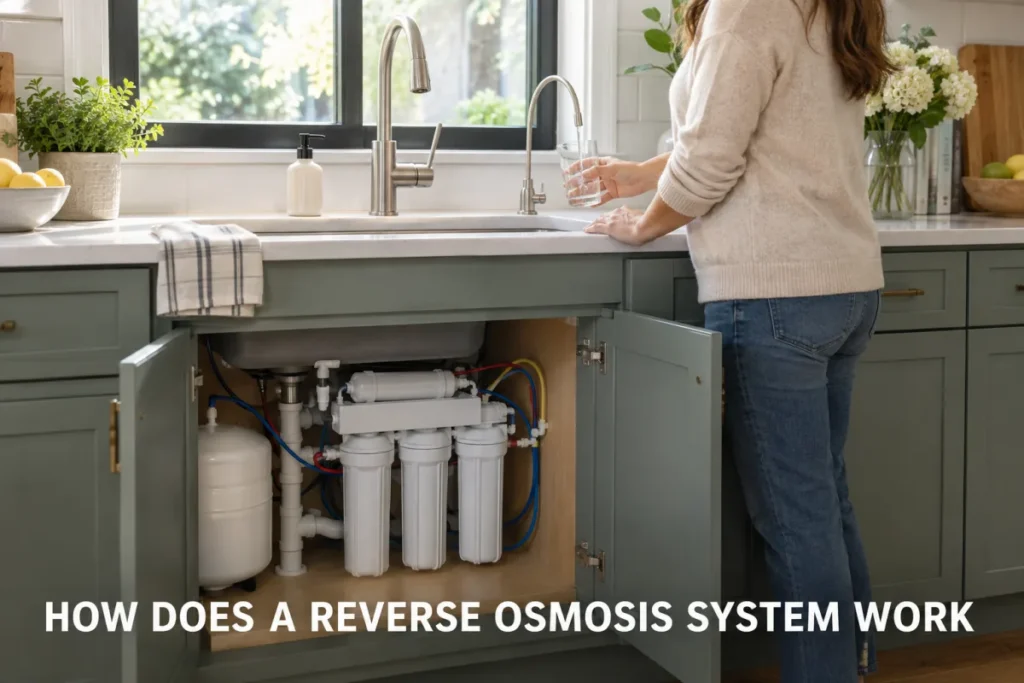

Changing a fridge’s water filter is a five-minute, tool-free swap on most models. The cartridge twists out or releases with a push of a button. Release the old cartridge, then seat the new one in its place. Run water through the dispenser for about a minute after that. This clears air and loose carbon dust before you drink it.

By the end of this guide, you’ll know the universal steps and what’s different on a GE fridge with a push-button filter. You’ll also know why a cartridge sometimes won’t budge and how often to replace it so your water keeps tasting clean.
Key Takeaways
- Most fridge filters release with a quarter twist counterclockwise, then pull straight out.
- GE French door models with an XWFE cartridge use a push-button release, not a twist cap.
- You do not need to shut off the water supply to swap a fridge filter.
- Replace most fridge filters every six months or 200 to 300 gallons, whichever comes first.
How to Change Water Filter in Fridge: The Basic Steps
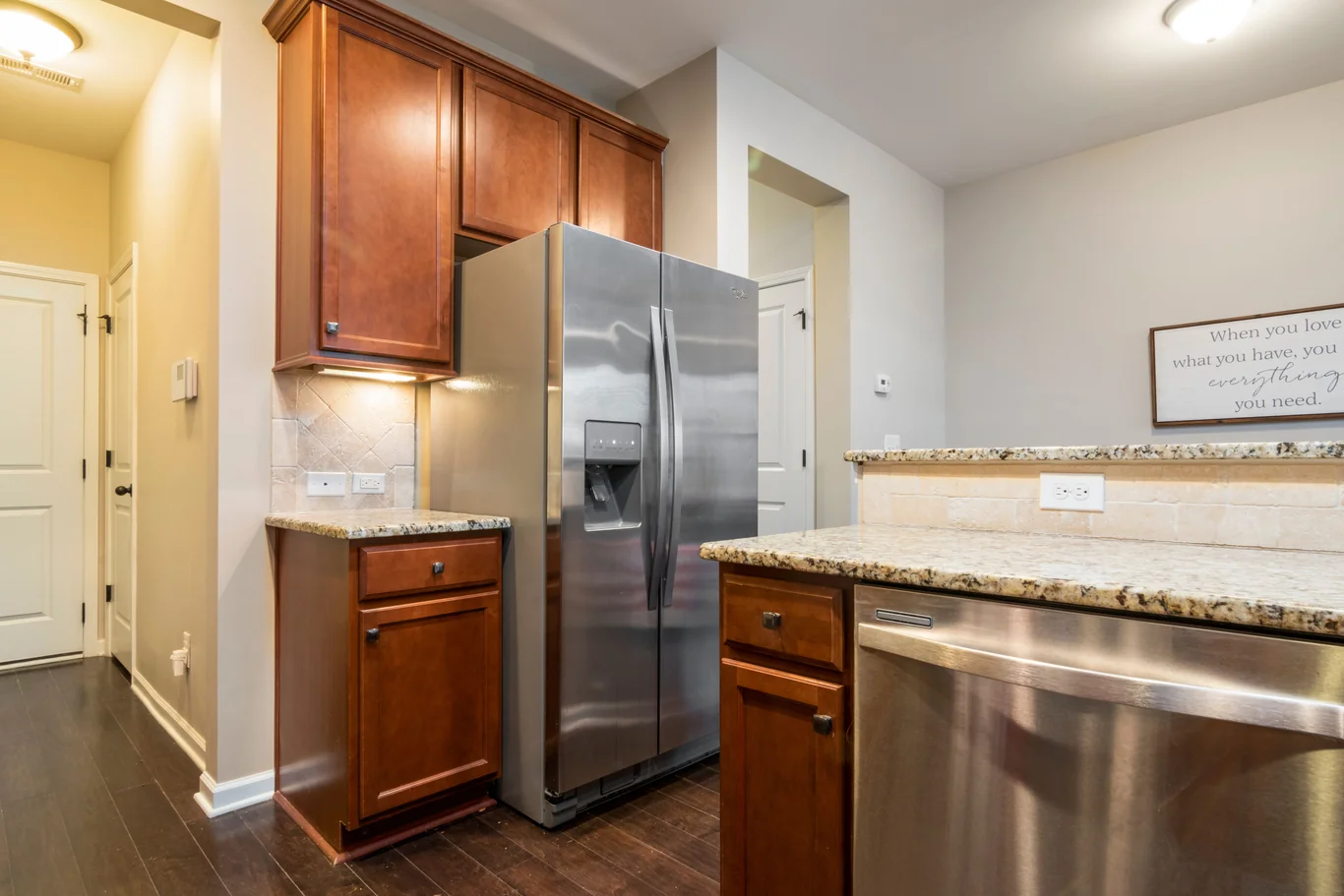
Most fridge water filters use a quarter-turn twist cap or a push-button release that lets you swap the cartridge without a single tool. Municipal tap water is already regulated for more than 90 contaminants under the Safe Drinking Water Act. A fridge filter’s real job is holding its certified reduction rate, not adding filtration from scratch.
A WQA Gold Seal-certified replacement cartridge, generic or brand-name, is tested to the same NSF/ANSI standards as the filter that came with your fridge. You do not need the original brand to keep that certified performance. This same twist-cap process, covered step by step below, applies to Whirlpool refrigerators as well.
- Find the filter housing, often in the upper-right corner, the base grille, or a crisper compartment, based on your model.
- Grab a towel and unwrap the new filter so it is ready before you start.
- Release the old cartridge with a quarter turn counterclockwise or a push-button eject, depending on your fridge.
- Pull the old filter straight out and let any leftover water drain into the towel.
- Insert the new filter and turn or press it until it locks into place.
- Run several gallons of water through the dispenser to clear trapped air and loose carbon dust before you drink it.
How to Change Water Filter in Fridge Models Made by GE
GE fridges split into two release mechanisms, and the model number on the cartridge tells you which one you have before you touch anything. Older and side-by-side models use a twist-cap cartridge in the upper-right corner or the base grille, the same quarter-turn release covered above. French door models built around the XWFE or XWF cartridge use a push-button release instead, with no twisting involved.
The clearest way to tell them apart:
- Model number starting with XWFE or XWF: push-button release. No twisting required, just press and pull.
- Model number starting with MWF or GWF: twist-cap release. Turn a quarter turn counterclockwise, then pull straight out.
- Filter housing behind a flip-down panel at the base grille: almost always a twist-cap design.
- Filter housing in the upper-right corner with a colored release button: almost always the push-button XWFE style.
To swap a push-button cartridge, press the release button until the old filter ejects partway, then pull it straight out and catch any drips with a towel. Push the new cartridge in until it clicks into place, with no alignment marks or twisting involved.
Many GE filters, including the MWF, XWF, and XWFE, carry NSF (National Sanitation Foundation, the nonprofit that tests and certifies water treatment products) certification. This falls under NSF/ANSI 42, the standard for chlorine taste and odor reduction. Select models add NSF/ANSI 53, the separate standard for health-related contaminants like lead. The two are not interchangeable: a filter certified only for taste and odor does not automatically remove lead.
After installing a new XWFE cartridge, run the ice maker through two or three cycles and discard that ice. It was made with water that passed through the old filter, and clearing it keeps the taste the same as the fresh cartridge.
What to Do If the Filter Won’t Come Out
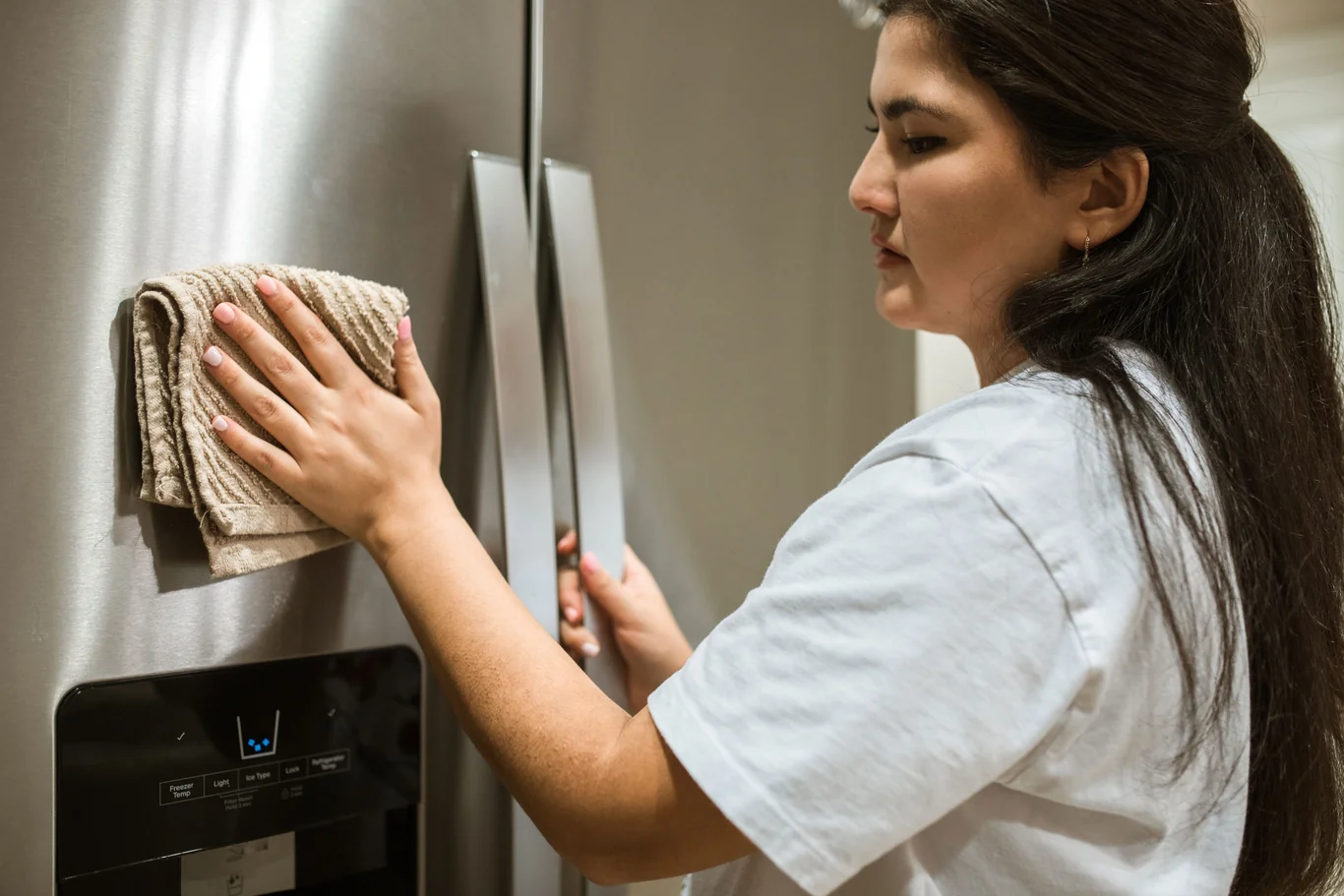
A stuck cartridge almost always comes down to one of three things, and the most common by far is turning it the wrong way. Not every brand releases the same way, so forcing it before checking the small arrow or text stamped on the cap risks cracking the housing. Turn that direction instead, and it releases with light pressure.
The second most common cause is mineral buildup on the cap threads, especially on a filter that has sat well past its rated life. Hard water leaves scale that acts almost like glue. A firm, steady twist the right way breaks it free. If it does not, a few drops of white vinegar on the threads for several minutes softens the deposit enough to turn.
The third cause mostly affects newer GE, Samsung, and LG models: mistaking a push-button release for a twist cap and trying to rotate it. Forcing a rotation on a push-button housing can crack the retaining clips. Check the housing for a colored button or lever before twisting anything, and press it instead.
Do You Need to Turn Off the Water Before Changing the Filter?
No, you do not need to shut off the water supply before changing a fridge filter. A whole-house or under-sink filter sits inline on a pressurized supply line. It needs the water shut off before you break the seal. A fridge filter is different: it is a self-contained, tool-free cartridge that seals and unseals inside its own housing. Our guide to what a water filter is covers filter types more broadly.
The one exception is a small amount of leftover water trapped in the housing itself. Expect a few drops, sometimes closer to a tablespoon, to drip out the moment the old cartridge clears the seal. Keep a towel folded under the housing before you start.
Some fridges do have a small inline shutoff valve behind the unit, but that valve exists for connecting or servicing the water line itself, not for routine filter changes. Leave it open and change the cartridge the way the manual describes.
What to Do After You Install the New Filter
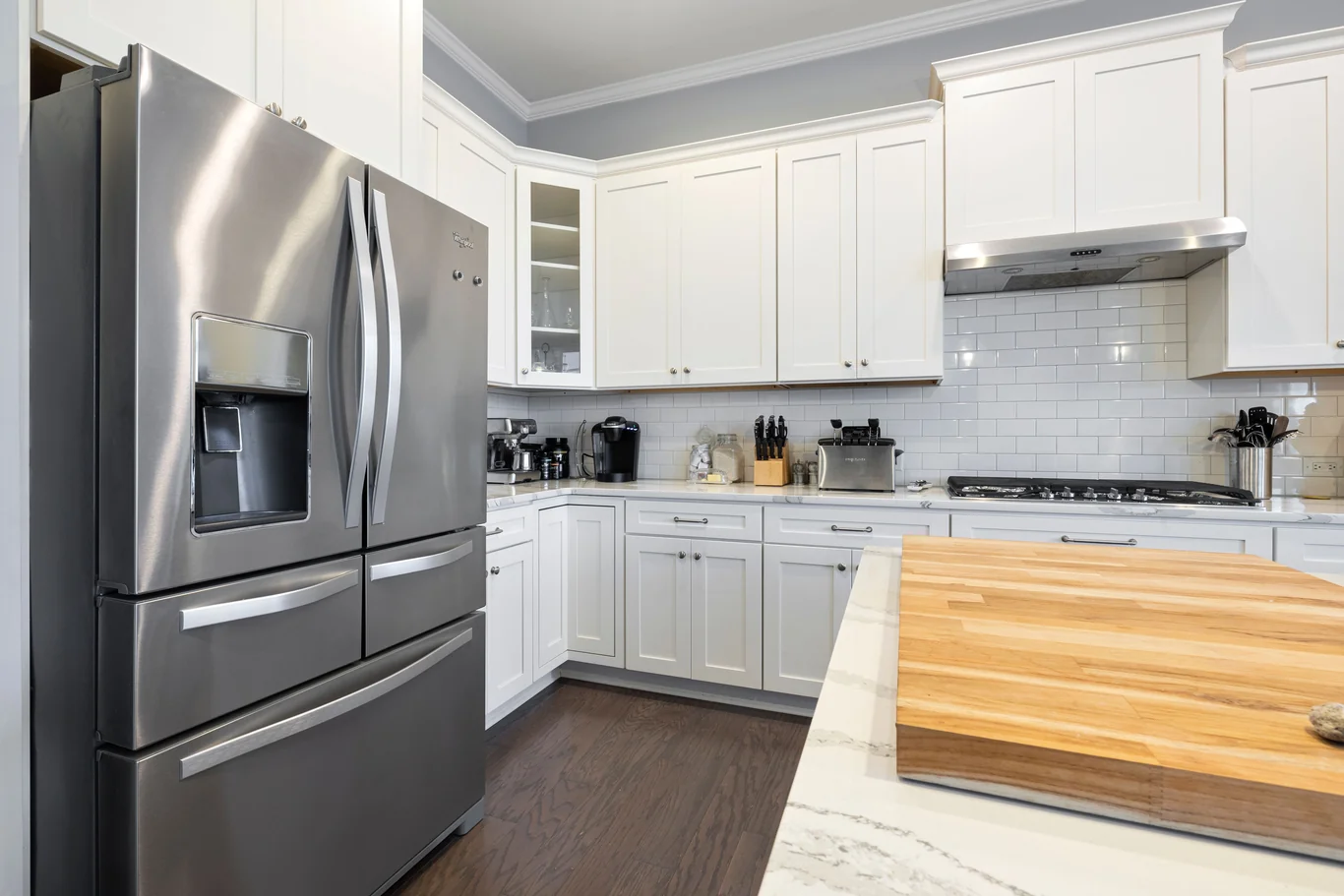
Once the new cartridge is seated, flush the line before you drink from it. Run water through the dispenser for the amount of time the manual specifies, often a few minutes or several gallons. New carbon filters shed fine black flecks and trapped air on first use.
Most models with a digital display also track filter life and expect a reset after a swap. Look for a button or menu labeled filter reset and hold it until the indicator light changes color or clears. Otherwise, the display keeps counting from the old filter’s install date.
This same ice-maker flush applies beyond the XWFE cartridge covered earlier. Run it through two or three cycles and toss that batch, since it passed through the old filter.
Finish with a quick leak check. Run the dispenser once more and look at the housing and the connection behind it for drips. A cartridge that is not fully seated can leak slowly for the first hour before the seal fully compresses.
How Often to Replace Your Fridge Water Filter
Yes, a fridge filter needs replacing on a fixed schedule. Waiting for the water to taste different is not a reliable signal, since most filters weaken before the taste changes. The CDC recommends filters certified to NSF/ANSI Standard 53 for lead removal. That certified reduction rate only holds within the cartridge’s rated capacity, a fixed number of gallons or months before performance drops. Our guide to how a water filter works covers that reduction process in more detail.
Most manufacturers rate a standard cartridge for about six months or 200 to 300 gallons, whichever comes first. Households that use the dispenser heavily, run an ice maker constantly, or draw from a well with higher mineral content should lean toward the shorter end of that range.
The right interval depends more on how the household uses the fridge than on the calendar alone:
| Filter Type or Household | Typical Replacement Interval | Sign It Is Overdue |
| Standard twist-cap carbon filter | About 6 months or 200 to 300 gallons | Reduced flow from the dispenser or a return of chlorine taste |
| Push-button XWFE-style cartridge | About 6 months or per the indicator light | Indicator light stays red or amber after a reset |
| Heavy-use or well-water household | Closer to 3 to 4 months | Faster flow drop, odor returning sooner than expected |
How We Research
We check every claim against primary sources. Federal agencies like the EPA and CDC come first. Certification bodies like NSF and AHAM come next. We verify each standard number against the issuing body. We review this guide on a set schedule.
Why Trust This Guide
Puritisimo covers only water and air quality. Our guidance is editorial and independent. We cite every health figure so you can check it. We never present a promotional claim as fact.
Keeping Your Fridge’s Water Filter on Schedule
Each method above comes down to the same idea. Find your filter’s release mechanism, then work with it instead of forcing it. Flush the line afterward so the new cartridge performs the way it is rated to. GE’s push-button XWFE cartridge and the more common twist-cap design cover most fridges on the market, and the fixes for a stuck filter apply across brands.
The part homeowners skip most often is the schedule itself, treating a filter like it lasts forever instead of checking how often it actually needs changing. Once you know how to change a water filter in a fridge, the whole job takes a few minutes, twice a year for most households.
For a breakdown of the top certified replacement cartridges compatible with common fridge filter housings, my fridge water filter cartridge guide covers the verified options by filter type and contaminant removal.
Frequently Asked Questions
How to change water filter in fridge
Changing the water filter in a fridge involves locating the cartridge, either behind the base grille or in the upper-right corner. Release it with a quarter-turn twist or a push-button release depending on the model. Pull the old filter out, seat the new one until it locks in place, and run the dispenser briefly to clear trapped air and carbon dust before drinking.
Do I have to turn the water off to change my fridge filter?
No, you do not need to shut off the water supply. Unlike a whole-house or under-sink filter installed inline on a pressurized line, a fridge filter is a self-contained, tool-free cartridge that seals inside its own housing. The only thing to expect is a few drops of leftover water when the old cartridge clears the seal, so keep a towel handy.
Why can’t I get the filter out of my refrigerator?
The most common cause is turning the cartridge the wrong way. Not every brand twists the same way, so check the small arrow molded into the cap before forcing it. Mineral buildup on old cap threads is the second most likely culprit, and a firm twist the right way breaks it free.
Do refrigerator water filters really need to be replaced?
Yes. Each cartridge is rated for a fixed capacity, about six months or 200 to 300 gallons, and its certified reduction rate for contaminants only holds within that window. The CDC recommends filters certified to NSF/ANSI Standard 53 for lead removal because performance drops once a cartridge is pushed past its rated life.
How do I change the water filter in my Whirlpool refrigerator?
Whirlpool, Maytag, and KitchenAid models use the same twist-cap mechanism covered above, often located in the upper-right corner or behind the base grille. Turn the cartridge a quarter turn counterclockwise, pull it straight out, and press the new one in until it locks. The steps mirror a standard GE twist-cap swap almost exactly.
References
- EPA. Safe Drinking Water Act Overview. U.S. Environmental Protection Agency. 2024.
- Water Quality Association. Product Certification. WQA. 2024.
- NSF International. Standards for Water Treatment Systems. NSF Consumer Resources. 2024.
- CDC. Lead in Drinking Water Prevention. Centers for Disease Control and Prevention. 2024.
Medical Disclaimer: This content is for informational purposes only. It is not a substitute for professional medical advice, diagnosis, or treatment. If you have concerns about your water quality or air quality and their effects on your health, consult a qualified healthcare professional.