
Replacing a Samsung water filter is a twist-out, twist-in job you can finish in about five minutes with no tools. You locate the filter housing and turn the old cartridge counterclockwise to release it. Then you turn the new one clockwise until it locks. Two things trip most people up afterward. One is a cartridge that will not seat correctly. The other is a filter light that will not clear even after a clean swap.

By the end, you will know the full steps and how to fix a stuck filter. You will also know how to clear the reset light and how to confirm your exact part number.
Key Takeaways
- Most Samsung filters twist out counterclockwise and lock in with a quarter turn clockwise, no tools needed.
- A stuck filter is almost always a leftover shipping cap or a misaligned turn, not a broken housing.
- Family Hub models reset the filter light in the Fridge Manager app; other models use a button or dispenser combo.
- Confirm the exact model number before buying: Samsung fridges use many incompatible filter part numbers.
How to Replace Samsung Water Filter
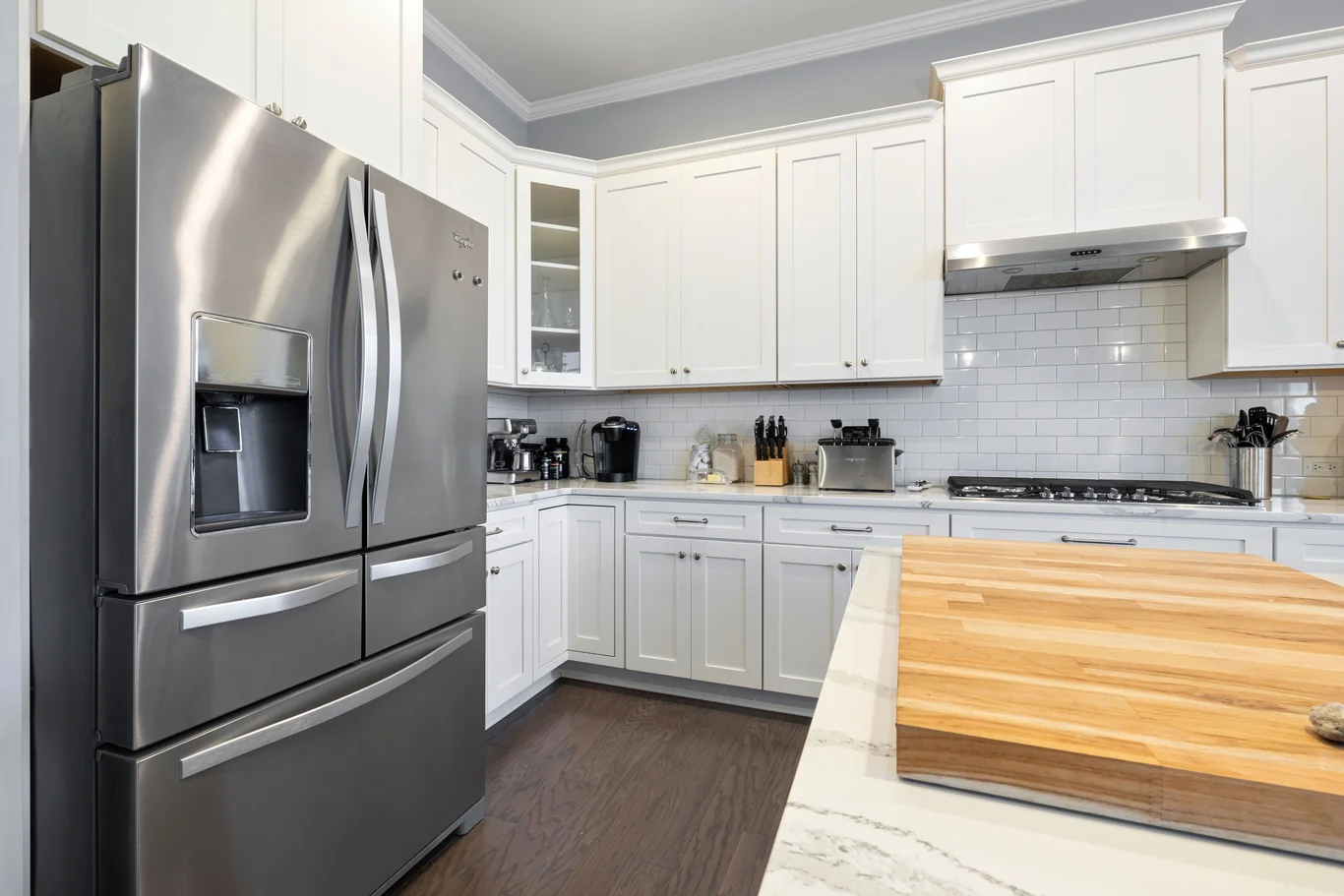
A Samsung fridge water filter replacement is a twist-lock cartridge swap. You turn the old filter counterclockwise to release it. Then you turn the new one clockwise until it locks, with no tools required.
- Turn off the water supply valve behind the fridge for a cleaner swap. Most models do not require this step.
- Open the filter section. It is usually in the upper right corner of the fresh food section or the base grille on some models.
- Turn the old filter counterclockwise about a quarter turn and pull it straight out.
- Remove the protective cap and wrapper from the new filter cartridge.
- Line up the arrows on the new cartridge with the housing and turn it clockwise until it clicks into place.
- Run the dispenser for two to three minutes, or until the water runs clear, to flush carbon fines and air from the new cartridge.
Genuine Samsung replacement cartridges such as the HAF-QIN and HAF-CIN carry NSF/ANSI 42 certification for taste and odor. It also carries NSF/ANSI 53 certification for health-effect contaminant reduction. That standard-and-scope pairing is worth checking on the box before you buy.
That certification matters. Chlorine-resistant pathogens like Cryptosporidium and Giardia are not neutralized by ordinary tap water treatment. The CDC estimates they cause roughly 322,000 and 415,000 illnesses a year in the United States, which is the practical reason a certified filter earns its keep.
Leaving an old cartridge in past its rated life works against you. Consumer Reports notes a spent carbon filter can start fostering bacterial growth in the stagnant cartridge instead of filtering water clean. That is why replacing on schedule matters more than waiting for the indicator light to trip.
How to Replace Samsung Water Filter When It Won’t Go In
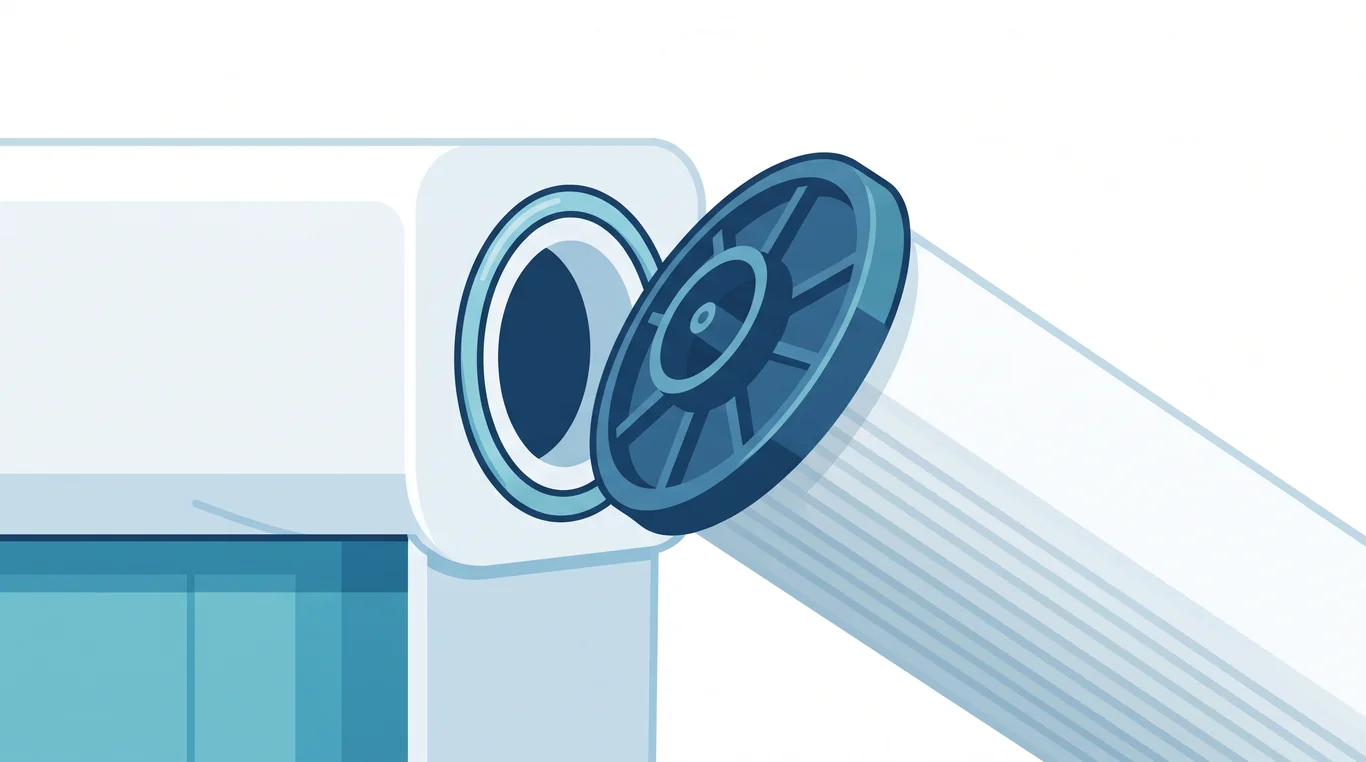
A Samsung water filter that will not seat is almost never a sign of a broken housing. In nearly every case, one of three small snags blocks the twist-lock collar from closing. The culprit is leftover shipping plastic or the wrong turn direction. It could also be a cartridge built for a different model.
The shipping cap is the most common culprit. Every new Samsung cartridge ships with a thin plastic cap or a shrink-wrapped sleeve over the connector end. It has to come off before the filter can dock. Pull it straight off by hand. A cap left on by mistake will jam the connector every time.
The second snag is angle, not force. The old cartridge backs out counterclockwise. The new one only locks with a quarter turn clockwise once it is fully seated in the housing. Pushing straight in without that final turn, or turning it before it sits flush, makes a filter feel stuck. Nothing is actually broken.
If the filter will not turn past a certain point, stop pushing. Forcing it can cross-thread the plastic tabs inside the housing, which cracks the collar and causes leaks later. Back the cartridge out, line it up with the guide notch, and try again slowly.
A filter that seats partway but never locks is often the wrong part number for that fridge. Samsung uses several incompatible cartridge shapes across its lineup. A filter that fits a neighbor’s model will not necessarily fit yours. A later section covers how to match the exact part number to your fridge.
Resetting the Water Filter Light After a Replacement
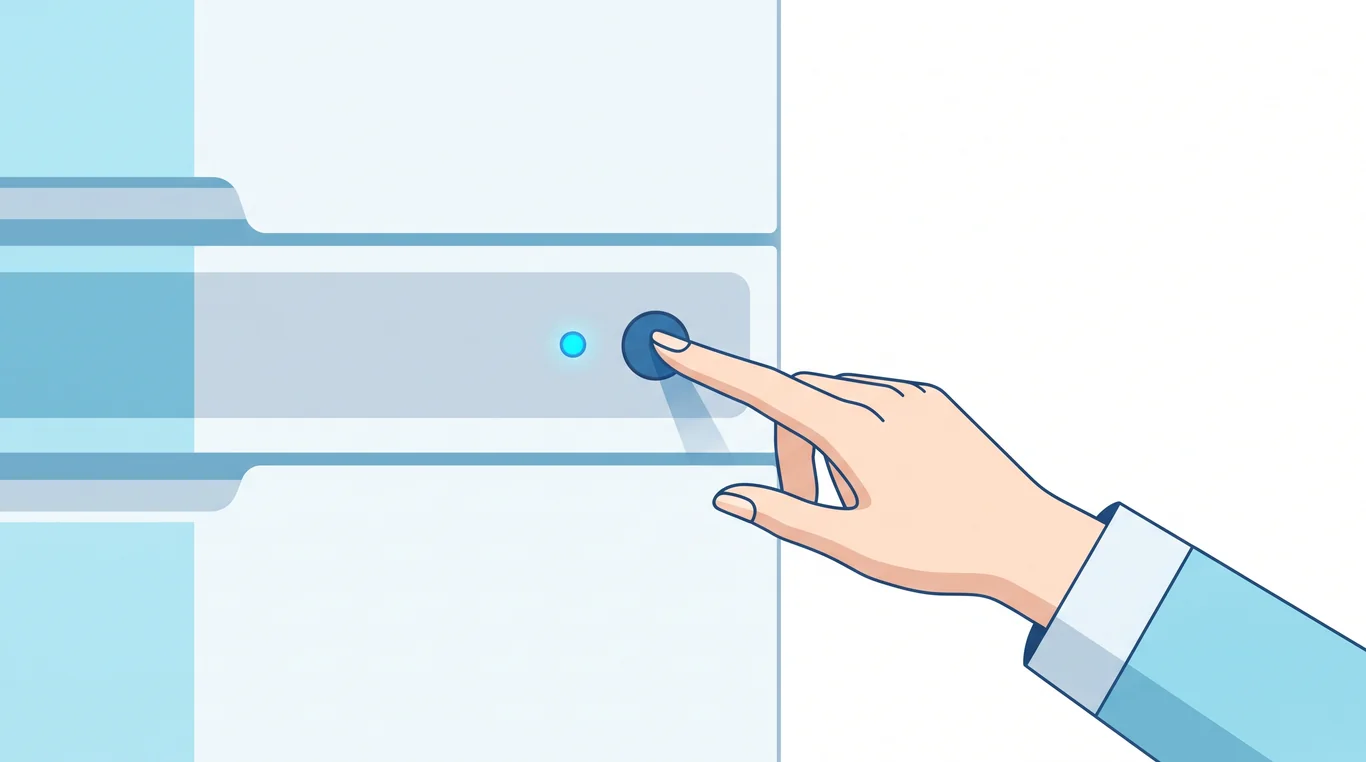
Replacing the cartridge does not clear the filter light on its own. Family Hub refrigerators reset the filter status through the touchscreen. Older or non-Family Hub models use a physical button or a dispenser button combo instead.
On a Family Hub touchscreen, open the Fridge Manager app, tap Filters, then Water Filter, then confirm Reset. The light clears within a few seconds. The countdown restarts at the fridge’s rated cycle, often six months.
Non-Family Hub models clear the same light with a physical reset instead. Hold the dedicated filter button behind the dispenser panel for about three seconds. On models without a labeled button, hold the water and cubed-ice dispenser buttons together until the indicator light blinks.
Carbon cartridges are rated by gallons and months, whichever comes first, not by the calendar alone. A typical fridge filter is good for roughly 500 to 2,500 gallons or six to twelve months. A household that runs the dispenser constantly can trip the light well before six months pass. A low-use kitchen may hit the gallon limit first instead. Resetting the light restarts the counter; it does not extend the filter’s actual capacity.
Which Samsung Water Filter Part Fits Your Fridge
Samsung fridges use many incompatible filter part numbers. The fastest way to buy the right one is to match the number. That number is stamped on the old cartridge or printed inside the fridge’s fresh-food section. Do not rely on just the fridge’s general model name.
The distinction that matters most for water quality is certification scope, not the part number alone. A 2022 update to NSF/ANSI 53 added a new reduction certification. Some current HAF-QIN and HAF-CIN cartridges now carry the added PFAS (per- and polyfluoroalkyl substances, a group of manmade chemicals linked to health risks at very low concentrations) certification. Older DA29-series filters do not share this certification on their own, according to the EPA. For a broader look at what these certification numbers promise on any brand, see our guide to how to filter water.
The cartridge families below cover most current and recent Samsung fridges:
- DA29-00020B: older French door and side-by-side models sold before about 2016.
- HAF-CIN/EXP: mid-2010s to early-2020s French door models, including the RF27T5201SG family.
- HAF-QIN/EXP: current-generation French door and 4-door flex models, including the RS27T5200SR and RF28R7201SR families.
- HAF-QINS: select Bespoke and Family Hub models with a vertical, internal water dispenser.
If the model plate does not list a filter part number directly, check the sticker inside the fresh-food door. It may also be listed in the upper right corner of the fridge interior. Samsung prints the full model number there, and the part is keyed to it. A fridge like the RS22T5201SR, for instance, takes a HAF-CIN/EXP cartridge. While the correct part ships, a countertop pitcher can bridge the gap for a day or two, or a countertop water filter mounted to the kitchen tap serves the same purpose if pitchers are not available.
Where to Buy a Replacement Samsung Water Filter
Genuine Samsung filters are sold through several channels. The trade-off is almost always speed versus certainty. Samsung Parts and Home Depot both stock verified genuine cartridges. Amazon and third-party sellers are often faster or cheaper, but they carry a real risk of a counterfeit or refilled cartridge.
Samsung Parts and Home Depot both carry the manufacturer’s own HAF-QIN and HAF-CIN lines, so authenticity is not a concern. The trade-off is that stock varies by location. A direct online order often ships in two to five business days.
Amazon usually delivers fastest, often next-day on Prime listings. But counterfeit cartridges are a documented problem across marketplace listings. A genuine Samsung filter always ships in Samsung’s own retail box with a matching part number printed on the cartridge itself, not just the outer packaging. Third-party or aftermarket brands cost less upfront. They are not certified to the same NSF/ANSI standards as the Samsung original. A lower price can mean a real drop in filtration performance.
The table below lines up the four main sources by price tier, authenticity risk, and typical wait:
| Source | Relative Price | Authenticity Risk | Typical Wait Time |
| Samsung Parts (direct) | Standard retail | None, manufacturer direct | 2-5 business days |
| Home Depot | Standard retail | Low, in-store stock verified | Same day, in-store pickup |
| Amazon | Often discounted | Moderate, counterfeit listings reported | 1-2 days with Prime |
| Third-Party/Aftermarket | Lowest of the four | Not certified to the same standard | 2-7 days, varies by seller |
How We Research
We check every claim against primary sources. Federal agencies like the EPA and CDC come first. Certification bodies like NSF and AHAM come next. We verify each standard number against the issuing body. We review this guide on a set schedule.
Why Trust This Guide
Puritisimo covers only water and air quality. Our guidance is editorial and independent. We cite every health figure so you can check it. We never present a promotional claim as fact.
Getting Your Samsung Fridge Back to Full Flow
A stuck cartridge, a light that will not clear, or the wrong part number turns a five-minute swap into a frustrating one. All three come down to small details. They are pulling the shipping cap, giving the collar its final quarter turn, and confirming the exact part number before buying. Once the new filter locks in, reset the indicator through the Fridge Manager app or the physical button. That way the countdown tracks the new cartridge instead of the old one.
Households that lean on the dispenser heavily should expect to replace on the gallon count rather than the calendar. Heavy use exhausts a cartridge long before six months pass. The same twist-and-lock logic carries over to most other fridge brands, and to installing a water filter in a new setup for the first time. Once you understand how to replace a Samsung water filter, the whole job goes fast. It takes less time than it took to read this guide.
Frequently Asked Questions
How to Replace Samsung Water Filter?
Replacing a Samsung water filter takes about five minutes and needs no tools. Open the filter cover in the fridge’s upper right corner or base grille. Twist the old cartridge counterclockwise to remove it. Then twist the new one in clockwise until it clicks into place. Flush a few cups of water through the dispenser afterward to clear air and carbon fines from the new filter.
Can you replace a Samsung water filter without turning off the water?
Yes, on most models you can swap the cartridge without shutting off the water supply, though a brief spurt or drip when the old filter releases is normal. Samsung’s own instructions still recommend turning off the water first for a cleaner, mess-free swap, so treat that step as best practice rather than a strict requirement.
Why won’t my Samsung water filter go in?
The two most common causes are a leftover plastic shipping cap still covering the connector end and the cartridge being turned at the wrong angle before its final locking twist. Removing the cap and realigning the filter with the housing’s guide notch clears both issues in most cases.
How much water do you need to drain after changing a Samsung water filter?
Samsung recommends running roughly the first two to three quarts, or about that many dispensed cups, through the water and ice maker after installing a new cartridge. That initial flush clears trapped air and loose carbon fines so the water runs clear and tastes normal.
How do I reset the water filter indicator light on a Samsung refrigerator?
On Family Hub refrigerators, the reset lives in the Fridge Manager app, under Filters, then Water Filter, then Reset. Non-Family Hub models clear the same light with a physical filter button behind the dispenser panel, or by holding two dispenser buttons together for a few seconds.
References
- NSF International. Standards for Water Treatment Systems. 2024.
- CDC. Waterborne Disease in the US. 2024.
- Consumer Reports. Best Countertop Water Filters of the Year. 2025.
- EPA. Identifying Drinking Water Filters Certified to Reduce PFAS. 2024.
Medical Disclaimer: This content is for informational purposes only. It is not a substitute for professional medical advice, diagnosis, or treatment. If you have concerns about your water quality or air quality and their effects on your health, consult a qualified healthcare professional.