
Cleaner Air and Water Start With Understanding What We Are Exposed To
Founded by a researcher who spent a decade tracing environmental health claims back to primary sources. Built on evidence. Free of exaggeration.
Puritisimo was created around a simple principle: people cannot control every environmental hazard around them, but they can make informed decisions about the air they breathe and the water they drink inside their homes.
That principle comes from the work of Dusan Stanar, founder of Puritisimo. Dusan trained as an assistant researcher in chemistry before building a decade-long career in SEO and data research. The transition kept one discipline intact: every conclusion has to trace back to a primary source. Government standards, laboratory certifications, peer-reviewed studies, independent monitoring data. Not a second-hand summary on another website, and not a marketing claim with no verifiable basis.
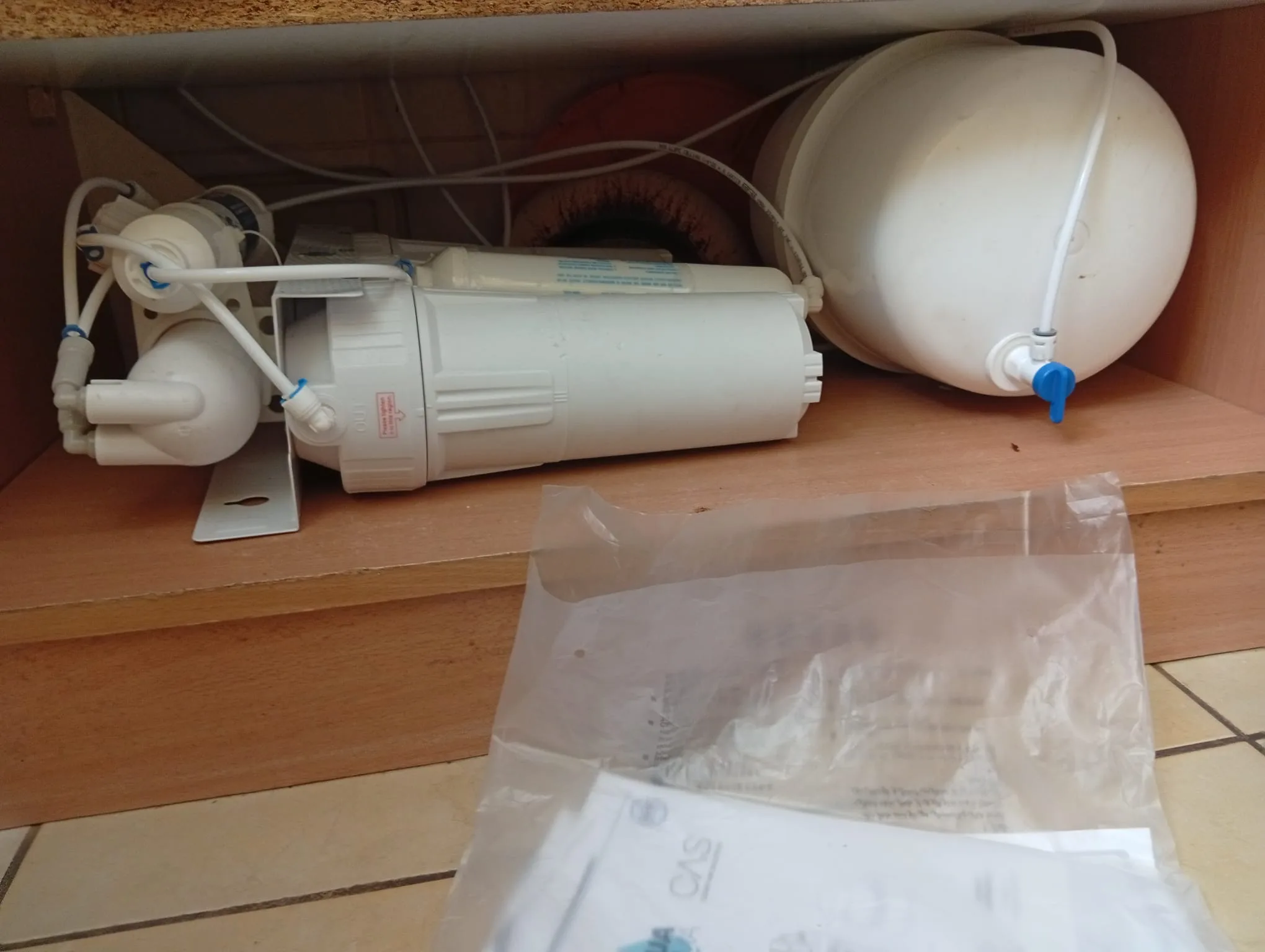
As a homeowner raising three children, Dusan had good reasons to take water and air quality seriously before Puritisimo existed. He runs an under-sink reverse osmosis system in his own kitchen. The filter replacements happen on schedule, the TDS levels get measured, and every recommendation on this site reflects a decision he has already made for his own family.
Puritisimo approaches home air and water quality from that perspective. We do not believe that an air purifier can compensate for an unhealthy environment, that a water filter can solve every problem in a municipal water system, or that either technology should be marketed as a treatment for disease. We do believe that reducing avoidable exposure inside the home is worthwhile when there is solid evidence showing what the pollutant is, where it comes from and which technology can actually reduce it.
That is the purpose of Puritisimo.

Dusan Stanar trained as an assistant researcher in chemistry, where source verification and data analysis are the foundation of the work, not optional steps. He has spent the past decade applying those same skills in SEO: researching product claims, tracing them to their original source, and separating what the evidence actually shows from what the marketing states.
That approach shapes everything on this site. NSF certification databases, EPA drinking water standards, independent laboratory results and peer-reviewed studies are the starting point for every claim. If a filter is certified to reduce lead, Puritisimo links to the certification record. If a claim cannot be verified against a primary source, it does not appear here.
As a homeowner raising three children, Dusan had good reasons to take water and air quality seriously before Puritisimo existed. His kitchen runs on an under-sink reverse osmosis system. The filter replacements happen on schedule, the TDS levels get measured, and every recommendation on this site reflects a decision he has already worked through for his own household. That is what keeps the standard 100% honest.
Why Zrenjanin Matters to the Puritisimo Story
Puritisimo’s origins make more sense when you understand Zrenjanin. Located in northern Serbia in the province of Vojvodina, Zrenjanin has faced one of the country’s most persistent drinking-water problems. Its groundwater has an unusually complex chemical composition, and excessive arsenic became the most prominent public-health concern.
The problem did not emerge from a single industrial accident. Much of the arsenic is associated with the natural geology and groundwater chemistry of the Pannonian Basin, which makes Zrenjanin an important example of something people often misunderstand about drinking-water contamination:
Water can contain medically important contaminants even when there is no obvious pollution source nearby.
For decades, arsenic, natural organic matter, ammonia, sodium, color and other parameters made Zrenjanin’s groundwater exceptionally difficult to treat. For more than two decades, residents lived with an official prohibition on using municipal water for drinking and food preparation, and scientific work has repeatedly described the unusually difficult composition of the raw groundwater supplying the city.
When that happens for years rather than days, water quality stops being an abstract environmental topic. Families change how they cook, transport water, buy bottled water and consider filtration. Parents think about what their children drink, while physicians understand that environmental exposure is no longer something occurring somewhere else. It is happening in their own community.
What Is Actually in Zrenjanin’s Groundwater?
A peer-reviewed 2025 study examined the raw groundwater supplying Zrenjanin and demonstrated just how chemically demanding this source water is. The groundwater comes from a system of deep wells supplying the city, and the study characterized untreated water before the full treatment process. These figures should therefore not be interpreted as the composition of every glass of finished tap water. They describe the water that must be treated before it can meet drinking-water requirements.
That distinction is important, but so are the numbers.
Raw Zrenjanin Groundwater: Actual Laboratory Data
| Parameter | Measured Raw Water | Observed Range | Drinking-Water Maximum | Assessment |
|---|---|---|---|---|
| Arsenic | 83 µg/L | 50-130 µg/L | 10 µg/L | Substantially elevated |
| Ammonia | 1.5 mg/L | 0.7-1.9 mg/L | 0.5 mg/L | Elevated |
| Sodium | 291 mg/L | 190-300 mg/L | 200 mg/L | Elevated |
| Color | 60 Pt-Co | 40-70 Pt-Co | 5 Pt-Co | Substantially elevated |
| KMnO₄ consumption | 40 mg/L | Not specified | 12 mg/L | Elevated |
| Total organic carbon | 11 mg/L | 9-12 mg/L | Not specified | Significant organic load |
| Iron | 0.29 mg/L | 0.2-0.8 mg/L | 0.3 mg/L | Variable, higher values recorded |
| Manganese | 0.032 mg/L | 0.005-0.7 mg/L | 0.05 mg/L | Variable |
| Boron | 1.1 mg/L | 1.0-1.2 mg/L | 1.0 mg/L | Slightly elevated |
| Total dissolved solids | 625 mg/L | 600-700 mg/L | Not specified | High mineral load |
| Methane | 12-21 mg/L | 12-21 mg/L | Not specified | Treatment consideration |
| Hydrogen sulfide | 0.015 mg/L | Not specified | Not specified | Detected |
Raw source water before full treatment. Not a measure of finished tap-water quality.
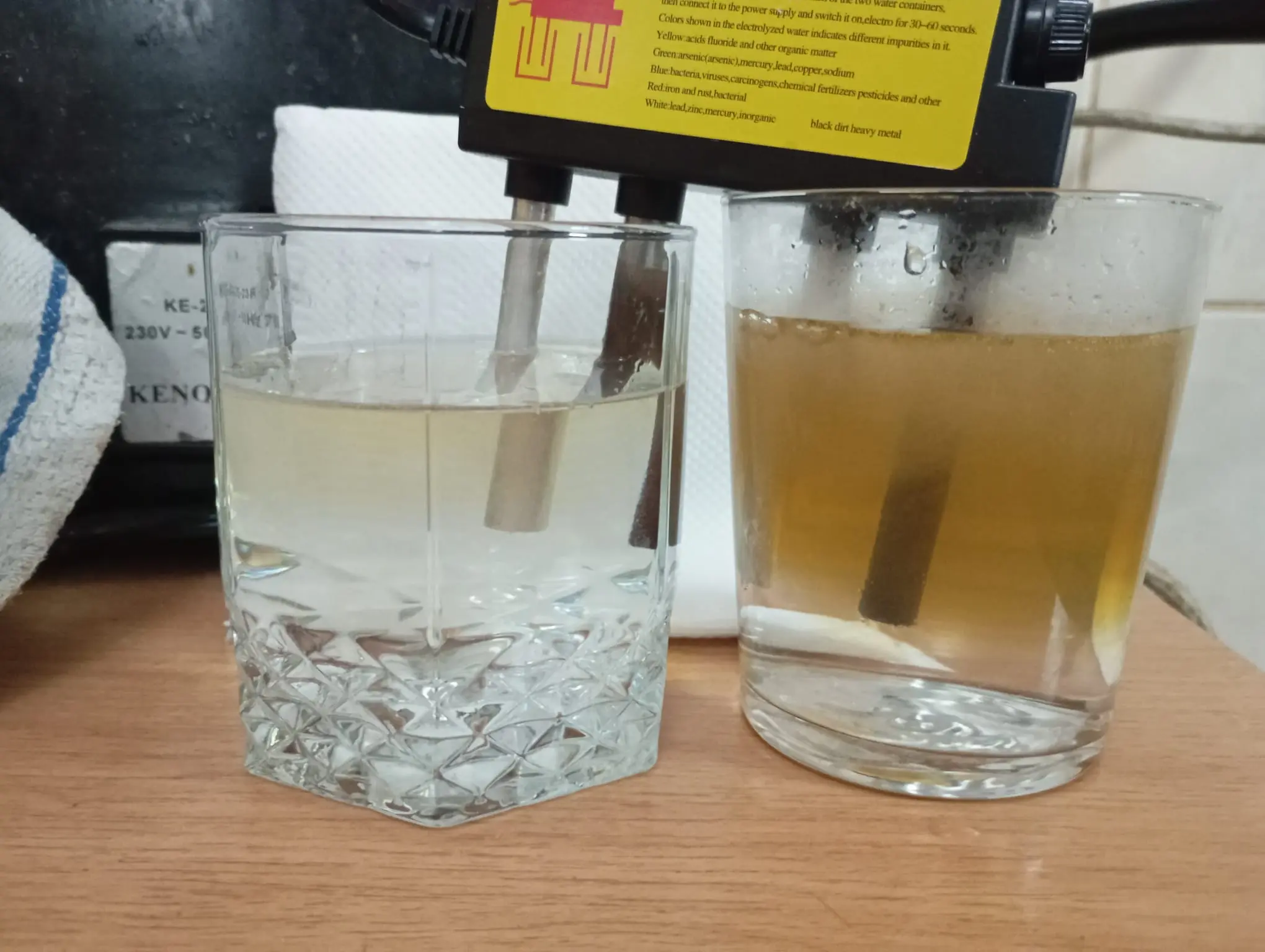
The arsenic value deserves particular attention. The typical raw-water concentration in this analysis was 83 micrograms per liter, while the World Health Organization’s provisional guideline for arsenic in drinking water is 10 micrograms per liter. That means the typical untreated Zrenjanin groundwater concentration measured in the study was approximately 8.3 times the WHO drinking-water guideline, while the upper end of the observed range, 130 µg/L, was approximately 13 times that guideline.
The difficulty is not limited to arsenic. The groundwater also contains excessive ammonia, sodium, organic matter and color, while methane and other constituents add further treatment complexity. This is not water that becomes suitable for drinking through a simple sediment cartridge or basic carbon filter. Producing high-quality drinking water from a source like this requires carefully designed, multi-stage treatment.
That distinction is one of the reasons Puritisimo emphasizes treatment technology rather than marketing language.
Arsenic Is Different From Water That Simply Looks or Tastes Bad
Some water-quality problems announce themselves. Iron can discolor fixtures, hard water creates scale, hydrogen sulfide can produce a recognizable odor and sediment may be visible. Arsenic can be different because you cannot reliably determine whether water contains an unsafe concentration of arsenic by looking at it, smelling it or tasting it.
A perfectly clear glass of water can still contain dissolved arsenic. Appearance is not a laboratory analysis.
The same principle applies in the United States. Water that tastes unpleasant is not automatically unsafe, and water that tastes excellent is not automatically free of contaminants. CDC specifically cautions that taste, smell and appearance are not reliable indicators of water safety and recommends testing when there is concern about harmful chemicals or microorganisms.
Why Long-Term Arsenic Exposure Matters
Inorganic arsenic is a well-established toxicological concern. The World Health Organization recommends a provisional drinking-water guideline of 10 µg/L and states that long-term exposure to inorganic arsenic through drinking water and food can cause serious health effects.
Chronic exposure has been associated with skin changes and lesions, cardiovascular disease, diabetes and developmental effects. Inorganic arsenic is carcinogenic to humans, with long-term exposure associated particularly with cancers of the skin, bladder and lungs.
This does not mean that a person becomes ill after drinking one glass of water containing arsenic above 10 µg/L. That is not how chronic environmental exposure should be understood. The concern is repeated intake over extended periods, with concentration, duration, total exposure and individual susceptibility all influencing risk.
Because arsenic may provide no obvious sensory warning, people can consume contaminated groundwater for years without realizing what is present.
Zrenjanin Has Even Been Studied for Arsenic-Related Health Outcomes
The health implications of arsenic in Zrenjanin have not only been discussed theoretically. A peer-reviewed study published in Environmental Research examined the relationship between arsenic exposure in drinking water and acute coronary syndrome in Zrenjanin Municipality. Researchers compared populations consuming water with markedly different arsenic concentrations.
Arsenic Exposure and Acute Coronary Syndrome in Zrenjanin Municipality
| Measure | Higher-Arsenic Population | Lower-Arsenic Population |
|---|---|---|
| Median drinking-water arsenic | 80 µg/L | 1 µg/L |
| Five-year standardized incidence of acute coronary syndrome | 237.0 per 100,000 | 124.4 per 100,000 |
The population consuming water above the arsenic standard had a substantially higher standardized incidence of acute coronary syndrome during the study period. This was an ecological epidemiological study, so the result must be interpreted correctly: it demonstrates an association, not proof that arsenic caused every cardiovascular event recorded in the exposed population.
Cardiovascular disease has many determinants, including smoking, blood pressure, metabolism, diet, age, genetics and other environmental exposures. The study remains important, however, because it examined an actual population in Zrenjanin rather than simply extrapolating findings from another part of the world.
For Puritisimo, environmental health exists at the intersection of research, evidence and the lived experience of people navigating real exposure risks inside their homes.
What Zrenjanin Taught Us About Home Water Filtration
Puritisimo does not approach water filtration with the assumption that everyone needs the most expensive filter available. We start with another question: What are you trying to remove?
A filter can only be judged against the contaminant it is intended to reduce. A sediment filter and a reverse-osmosis membrane perform very different jobs, activated carbon has different strengths from ultraviolet disinfection, and a water softener addresses a different problem from an arsenic-removal system. Understanding those distinctions is fundamental.
Different Water Problems Require Different Technologies
| Technology | Where It Can Be Useful | Important Limitation |
|---|---|---|
| Activated carbon | Chlorine, taste, odor and certain organic contaminants; specifically certified products may reduce lead, PFAS or other contaminants | Not a universal solution for dissolved minerals, arsenic, nitrate or microorganisms |
| Reverse osmosis | Can reduce many dissolved contaminants, including certain systems certified for arsenic, lead, nitrate, PFAS and other substances | Performance varies by system and contaminant; wastewater and maintenance must be considered |
| Ion exchange | Hardness and selected dissolved contaminants depending on resin | Different resins solve different problems |
| Ultraviolet treatment | Microbiological disinfection when properly designed | Does not remove dissolved arsenic, lead, PFAS or salts |
| Sediment filtration | Rust, sand and suspended particles | Does not remove most dissolved chemicals |
| Water softener | Calcium and magnesium responsible for hardness | Should not be confused with broad drinking-water purification |
| Distillation | Many dissolved contaminants | Energy use, production speed and volatile compounds require consideration |
CDC makes the same basic point: different filters remove different substances, and consumers should identify the substances they are concerned about before choosing a system. Reverse osmosis can reduce some dissolved chemicals, while common pitcher and refrigerator filters often rely on activated carbon primarily for taste and odor improvement.
That sounds obvious, but much of the water-filter market operates as though every filter were interchangeable. They are not.
Why Puritisimo Pays Attention to Certification
Words such as premium, advanced, medical grade, multi-stage and pure can sound impressive without telling you whether a system actually reduces the contaminant you care about. Certification is more useful because standards can be tied to particular performance claims.
NSF/ANSI 42 generally covers aesthetic effects such as chlorine taste and odor, while NSF/ANSI 53 covers specific contaminant-reduction claims associated with health effects. NSF/ANSI 58 applies to reverse-osmosis systems and can include specific contaminant-reduction claims.
The critical word is specific. A filter certified under NSF/ANSI 53 is not automatically certified for every contaminant addressed by the standard, and a reverse-osmosis system certified under NSF/ANSI 58 does not automatically have every possible contaminant claim. Puritisimo therefore looks for the certification and the contaminant claim attached to the individual model.
If lead is the concern, we want evidence for lead reduction. If PFAS is the concern, we want evidence for PFAS reduction, and if arsenic is the concern, we want evidence relevant to arsenic. A logo alone is not enough.
The United States Has Its Own Arsenic Problem
Zrenjanin is part of Puritisimo’s origin story, but arsenic-contaminated groundwater is not uniquely Serbian. The United States Geological Survey and the Centers for Disease Control and Prevention estimated that approximately 2.1 million people in the contiguous United States may rely on private domestic wells with arsenic concentrations above 10 µg/L, while approximately 44 million Americans were estimated to use private domestic wells in the underlying study.
The arsenic is often naturally occurring, which creates an important parallel with Zrenjanin. Environmental contamination is sometimes portrayed exclusively as something produced by smokestacks, chemical spills or industrial waste, but those are only some possible sources. Geology can create serious drinking-water problems too.
For private-well users, the practical lesson is straightforward: test the water. Private well owners cannot assume that clear, pleasant-tasting groundwater is free from arsenic.
Lead Shows Why the Last Mile of Water Delivery Matters
Arsenic often begins with the source water, while lead illustrates a different type of problem. Water may leave a treatment facility without significant lead contamination and acquire lead later through the infrastructure carrying it to the home.
The U.S. Environmental Protection Agency currently estimates that approximately 4 million lead service lines remain in American communities. Lead can also come from plumbing components and fixtures within buildings, which creates an important distinction between municipal treatment and point-of-use exposure.
What matters to the person drinking the water is ultimately what arrives at the faucet. When lead is a concern, a properly certified point-of-use filter can be a useful exposure-reduction measure while the underlying plumbing or service-line problem is addressed. The filter does not repair the pipe; it reduces what reaches the glass.
That distinction captures much of the Puritisimo philosophy.
PFAS Adds Another Modern Water Challenge
PFAS, or per- and polyfluoroalkyl substances, have created another major drinking-water concern in the United States. These chemicals have been used across industrial processes and consumer products, and their environmental persistence has earned them the informal description “forever chemicals.”
EPA’s completed UCMR 5 monitoring program tested public water systems for 29 PFAS between 2023 and 2025. Using the maximum contaminant levels established in the 2024 PFAS drinking-water rule framework, EPA’s July 2026 analysis produced a weighted estimate that approximately 7.8% of U.S. public water systems had at least one sampling-location average above one or more applicable PFAS maximum contaminant levels.
PFAS regulation continues to evolve, so Puritisimo does not believe that a long-term About page should depend on a static list of every current federal threshold. The larger point is more durable: PFAS contamination is sufficiently widespread to have required nationwide monitoring and federal regulation, and home treatment can reduce exposure.
EPA identifies filtration technologies that can be used for PFAS reduction and advises consumers to look for contaminant-specific certification rather than assuming any filter will work. Puritisimo therefore prefers the phrase PFAS reduction over promises of “PFAS-free water,” because certification does not mean that every PFAS compound is completely eliminated under every real-world condition.
Point-of-Use Versus Whole-House Water Filtration
Another common mistake is assuming that a larger filtration system is automatically better. A point-of-use system treats water at one location, such as the kitchen sink, while a point-of-entry system treats water as it enters the home. Their purposes can be very different.
If arsenic, lead, nitrate or PFAS ingestion is the primary concern, high-performance treatment at the kitchen sink may be a practical way to focus treatment on water used for drinking and cooking. If the issue involves sediment throughout the plumbing, chlorine exposure throughout the home, certain volatile contaminants, hardness or other whole-house concerns, point-of-entry treatment may make more sense.
Sometimes households benefit from both approaches. A whole-house sediment or carbon system may manage one group of problems, while a reverse-osmosis drinking-water system addresses another. CDC likewise distinguishes point-of-use treatment from whole-home filtration and recommends matching the approach to the substances and exposure routes involved.
Puritisimo evaluates these systems according to what they actually do rather than how impressive the equipment looks.
A Filter Only Works When It Is Maintained
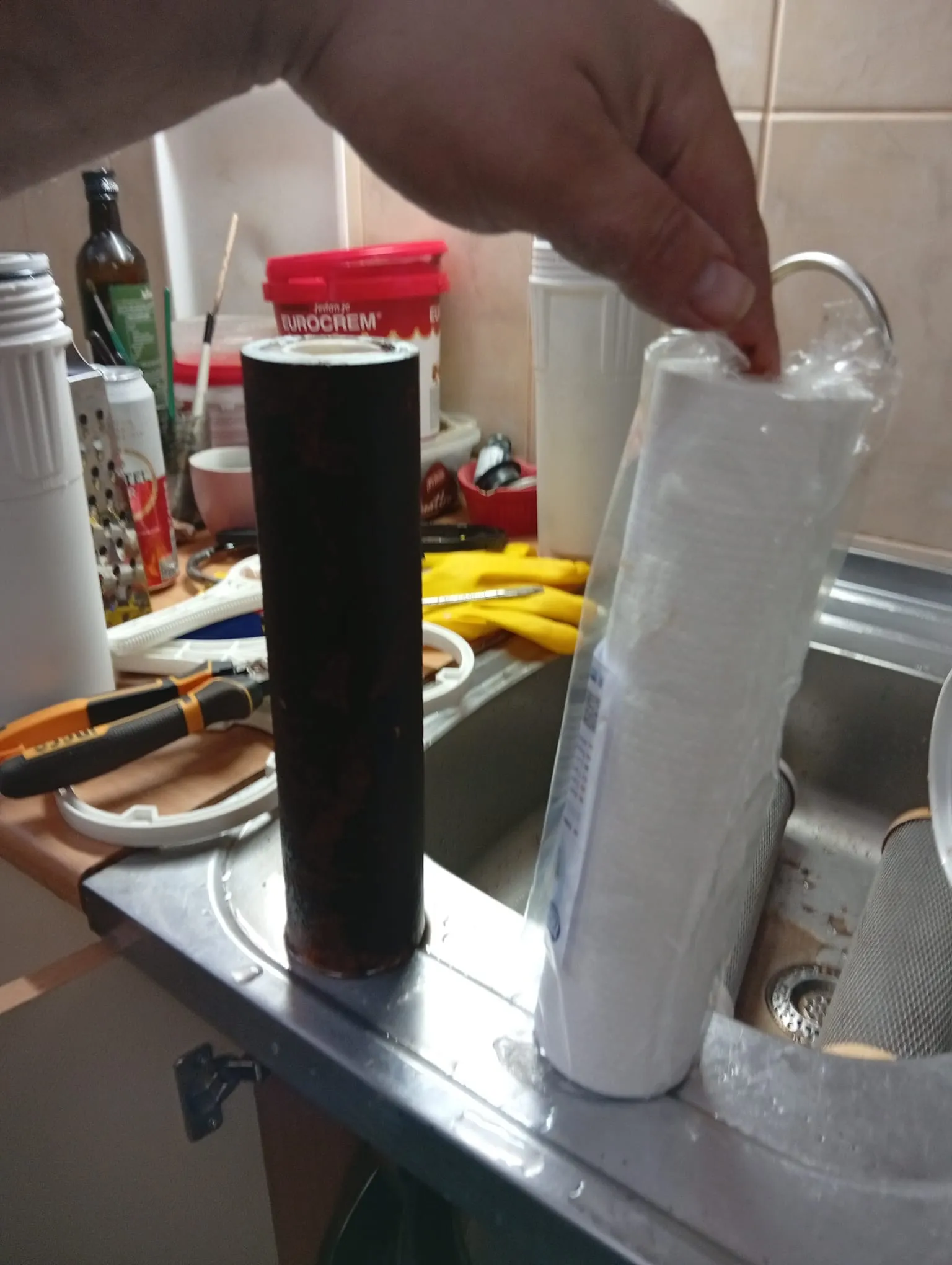
Filtration is not permanent. Carbon eventually becomes exhausted, sediment filters clog, reverse-osmosis membranes foul and age, UV lamps lose intensity, ion-exchange media require regeneration or replacement and pre-filters need changing. Maintenance is therefore part of performance.
A filter that performs extremely well when new but is ignored for two years may no longer provide anything close to its tested performance. CDC similarly emphasizes regular maintenance and filter replacement as essential to proper operation.
Puritisimo considers replacement intervals, replacement-filter cost, availability and ease of maintenance part of the buying decision. The technically strongest system is not always the best system for a particular household if maintaining it correctly is unrealistic.
Water Was Only Half of the Environmental Story
The second major influence behind Puritisimo is air. Zrenjanin combines urban traffic, individual household heating, energy production, agricultural activity and a long-established industrial sector. Around nearby Elemir, industrial activity includes synthetic rubber production and oil and gas operations, while more recently Zrenjanin also became home to the Linglong International Europe tire-manufacturing complex, significantly expanding the industrial landscape around the city.
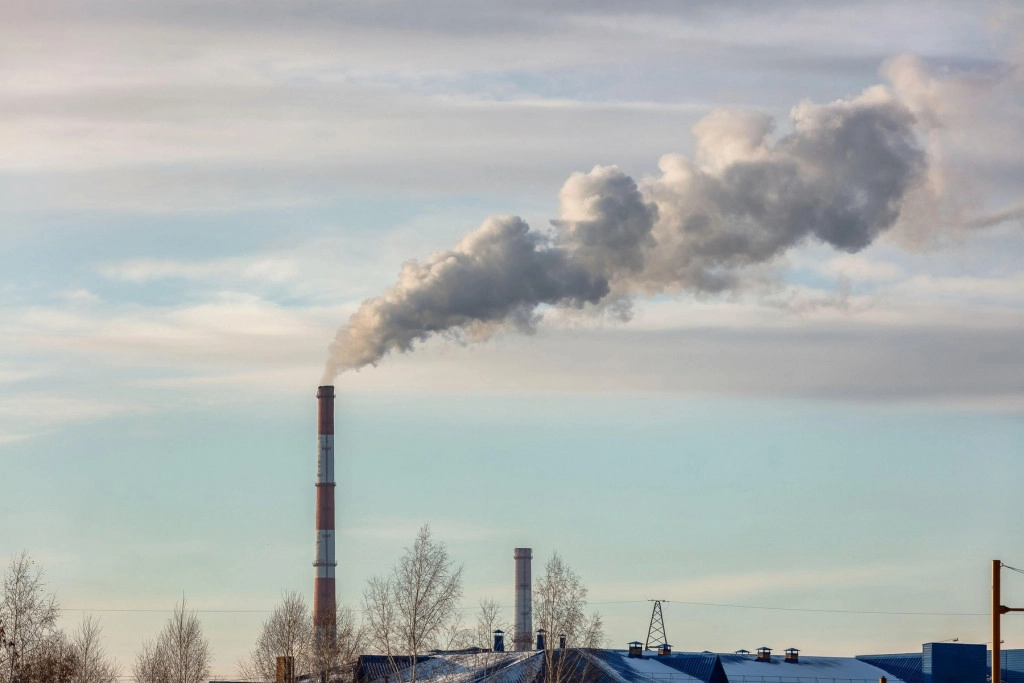
Air quality has direct relevance to the Puritisimo mission because the respiratory tract is not simply a system of tubes carrying oxygen to the lungs. It is one of the body’s most important interfaces with the outside environment and contains sophisticated mechanical and immunological defenses. Every day, those defenses interact with whatever is suspended in the air.
What Zrenjanin’s Air Measurements Show
The Institute of Public Health Zrenjanin monitors air at multiple locations across Zrenjanin and nearby Elemir. The monitoring program includes pollutants such as sulfur dioxide, nitrogen dioxide, soot, PM10, PM2.5, benzene, toluene, xylene and selected metals contained in particulate matter.
The 2025 Annual Report on Air Quality in the City of Zrenjanin and the Settlement of Elemir provides an unusually useful picture because it allows us to look at actual measurements rather than general claims that the air is either “good” or “bad.”
Selected 2025 Zrenjanin Air-Quality Measurements
| Measurement | Bulevar Veljka Vlahovića | Mužlja | WHO Annual Guideline |
|---|---|---|---|
| PM2.5 annual mean | 13.85 µg/m³ | 13.13 µg/m³ | 5 µg/m³ |
| PM10 annual mean | 28.54 µg/m³ | 29.78 µg/m³ | 15 µg/m³ |
| NO₂ annual mean | 22.32 µg/m³ | 17.16 µg/m³ | 10 µg/m³ |
| Soot annual mean | 42.37 µg/m³ | 47.61 µg/m³ | No directly equivalent WHO annual soot guideline |
| Days soot exceeded 50 µg/m³ | 31 | 73 | Not directly comparable |
Serbian annual regulatory values for PM2.5 and PM10 are less stringent than the current WHO health-based guidelines, so a concentration can remain below a national regulatory limit while still exceeding the level recommended by WHO. The 13.85 µg/m³ PM2.5 annual mean at Bulevar Veljka Vlahovića was approximately 2.8 times the WHO annual guideline of 5 µg/m³, while the 13.13 µg/m³ annual mean measured at Mužlja was approximately 2.6 times the WHO guideline.
For PM10, the measured annual concentrations at these locations were close to twice WHO’s 15 µg/m³ annual guideline, while for NO₂ both locations exceeded WHO’s 10 µg/m³ annual guideline. WHO’s current annual guideline values are 5 µg/m³ for PM2.5, 15 µg/m³ for PM10 and 10 µg/m³ for NO₂.
These comparisons do not mean that WHO guidelines represent a magical line between “safe” and “dangerous.” Air-pollution risk is not binary. WHO’s guidelines are health-based recommendations intended to reduce exposure and population risk, while national legal standards can differ because regulations also reflect policy, technology, economic feasibility and other considerations.
For Puritisimo, the relevant lesson is that the phrase “within the legal limit” does not necessarily mean “the lowest concentration associated with protecting health.”
Soot Exceedances Show Why Annual Averages Can Hide the Full Picture
Annual averages are useful, but they can also smooth out periods of substantially higher exposure. At Mužlja, soot exceeded 50 µg/m³ on 73 monitored days during 2025. At Sports Center “Partizan,” there were 50 such days, while Dositej Obradović Square recorded 41, Bulevar Veljka Vlahovića 31, Elemir 28 and the Gerontology Center 21.
This is why Puritisimo pays attention to both long-term averages and shorter pollution episodes. A household does not breathe an annual average; people breathe the air that exists at that moment.
Benzo[a]pyrene Adds Another Layer
Monitoring in Mužlja also included benzo[a]pyrene, or BaP, a polycyclic aromatic hydrocarbon associated with incomplete combustion. The 2025 annual average was 0.86 ng/m³, below the Serbian annual target of 1 ng/m³, while individual measurements ranged from 0.02 to 8.13 ng/m³.
That number needs to be interpreted correctly. The annual target was not exceeded, so Puritisimo would not describe the annual BaP concentration as a regulatory violation. BaP remains an important pollutant to monitor because it belongs to a group of combustion-related compounds with established health relevance, and the Zrenjanin public-health report specifically recommends continued monitoring.
This is another example of how Puritisimo approaches environmental data. We do not need to exaggerate a measurement to make it worth discussing.
Zrenjanin’s Pollution Does Not Come From One Source
It would be convenient to point to one factory and declare it responsible for every polluted-air day, but it would also be scientifically irresponsible. Urban air pollution is normally a mixture in which traffic contributes particles and nitrogen oxides, residential heating contributes particulate matter, soot and other combustion products, energy production contributes emissions, agricultural and waste burning can create intense local episodes, and meteorology determines whether pollutants disperse or accumulate. Industry adds another group of emission sources.
Official Zrenjanin monitoring also considers industrial and traffic influences at locations around the city and Elemir. The correct environmental picture is therefore one of multiple overlapping sources rather than one pollutant from one facility.
Linglong is an important part of this picture, but it is not the whole picture.
Linglong and Zrenjanin’s New Industrial Reality
The arrival of the Linglong International Europe tire factory changed the scale and visibility of industrial development around Zrenjanin. Tire manufacturing is a complex industrial process involving rubber compounds, fillers, sulfur and other chemicals, so a plant of this scale makes transparent environmental monitoring particularly important.
Linglong’s development has also been accompanied by significant environmental and regulatory controversy. In December 2024, Serbia’s Administrative Court annulled the City Administration of Zrenjanin’s approval of an environmental impact assessment connected with production facilities within the complex after legal challenges brought by the Renewables and Environmental Regulatory Institute, RERI, and Građanski preokret.
The court’s decision focused on deficiencies in the environmental impact-assessment procedure. RERI has also criticized the division of the wider project into separate assessment processes rather than considering the cumulative environmental impact of the entire industrial complex.
These are legitimate environmental-governance issues, but they do not prove that every elevated PM reading in Zrenjanin comes from Linglong. Puritisimo will not make that claim without source-apportionment evidence.
The defensible conclusion is that Zrenjanin already had a complicated mixture of traffic, heating, petroleum, rubber, energy and other emission sources, and the addition of a very large tire-manufacturing complex makes rigorous emissions control and independent air-quality monitoring even more important.
Why Tracing Every Claim to a Primary Source Changes the Quality of the Information
Environmental health information is easy to get wrong. Contaminant risks get exaggerated when they generate clicks, technology claims get repeated from site to site without anyone checking the original certification, and product comparisons treat marketing language as though it were laboratory data. The result is a category full of confident-sounding information that does not hold up when you trace it back to its actual source.
Puritisimo starts from the other direction. When a product claims NSF certification, the search goes to the actual NSF database. When an EPA guideline is cited, the citation points to the EPA document. When a study is referenced, the methodology and conclusions are read directly, not summarized from a summary. That is not because every other site is dishonest. It is because secondary information accumulates errors over time, and in a category where the decisions matter, those errors have consequences.
Fine particulate matter is especially important. PM2.5 refers to particles with aerodynamic diameters of 2.5 micrometers or smaller, and their small size allows them to penetrate deeply into the respiratory tract, with the smallest fractions contributing to systemic exposure beyond the lungs.
A household that buys the wrong filter because the research was done carelessly is not protected. A household that understands which contaminant is actually present and which technology is certified to reduce it can make a decision that works.
Puritisimo Does Not Claim an Air Purifier Can Fix Outdoor Pollution
No portable purifier can clean an entire city, stop emissions from a highway, change the fuel used in a neighborhood, shut down an industrial source or prevent wildfire smoke from reaching a region. The role of a home air purifier is much narrower and much more realistic: reduce the concentration of pollutants it is designed to capture inside a defined indoor space.
That may sound less dramatic than some air-purifier advertising, but it is also more useful.
The U.S. Has Its Own Air-Quality Challenges
The pollution sources differ from Zrenjanin, but the underlying issue is highly relevant in American homes. Traffic affects communities near major roads, industrial emissions affect particular regions, residential combustion and cooking generate particles indoors, and wildfire smoke can affect cities hundreds or even thousands of miles from the fire itself. Pollen, dust, pet allergens and mold spores contribute additional particle loads.
Americans also spend the overwhelming majority of their time inside buildings. EPA estimates that Americans spend approximately 90% of their time indoors, where concentrations of some pollutants are often two to five times higher than typical outdoor concentrations.
That does not mean indoor air is always more dangerous than outdoor air. It means that the indoor environment deserves serious attention because exposure is determined by both concentration and time. If you spend most of your day inside, the air inside matters.
Outdoor PM2.5 Can Become Indoor PM2.5
A closed door does not create an airtight building. Outdoor fine particles can penetrate through gaps, ventilation systems, open doors, windows and other pathways, and wildfire smoke provides one of the clearest examples.
During smoke events, staying indoors generally reduces exposure compared with remaining outside, but indoor PM2.5 can still rise substantially. The building envelope matters, ventilation matters, the HVAC system matters and filtration matters. EPA specifically recognizes outdoor air pollution, including wildfire smoke, as a contributor to indoor air exposure.
This is one of the areas where home air purification can provide measurable exposure reduction.
How HEPA Filtration Works
HEPA stands for High Efficiency Particulate Air. A true HEPA filter is a mechanical particle filter capable of theoretically capturing at least 99.97% of particles at 0.3 micrometers that pass through the filter.
The 0.3-micrometer figure is often misunderstood because it does not mean that particles smaller than 0.3 micrometers simply pass straight through. Approximately 0.3 micrometers represents a particularly penetrating particle size, while larger and smaller particles can also be captured efficiently through mechanisms including interception, impaction and diffusion.
Filter efficiency alone, however, does not tell you whether an air purifier will clean your room effectively. The air has to reach the filter, which brings us to one of the most important specifications in air-purifier selection.
CADR Can Matter as Much as the Word HEPA
Clean Air Delivery Rate, or CADR, describes the volume of filtered air delivered by an air cleaner. A tiny purifier with an excellent HEPA filter may have too little airflow to significantly reduce particle concentrations in a large living room, while a larger machine with sufficient airflow can process that room’s air much more quickly.
For wildfire smoke, EPA recommends choosing a portable cleaner with a smoke CADR of at least approximately two-thirds of the room area in square feet, assuming a conventional ceiling height. For example, a 300-square-foot room would call for roughly 200 CFM of smoke CADR or more under that guideline, while higher ceilings increase the volume of air and can require more capacity.
Puritisimo therefore considers room size and CADR fundamental specifications, not footnotes.
Air Purifiers Can Produce Meaningful PM2.5 Reductions
The effectiveness of portable air cleaning is not limited to laboratory filter specifications. A systematic review and meta-analysis of randomized sham-controlled studies examined portable air cleaners used in residential settings.
The analysis also found reductions in some inflammatory biomarkers, including IL-6, although not every biomarker changed significantly and the authors emphasized the need for additional research into clinical outcomes.
That is exactly how Puritisimo believes such evidence should be interpreted. The study does not prove that buying an air purifier prevents heart disease, but it does demonstrate that well-designed portable air cleaning can substantially reduce indoor fine-particle exposure under real-world study conditions.
That is an important outcome by itself.
HEPA Does Not Remove Every Type of Air Pollution
A HEPA filter is primarily a particle filter, which makes it useful for pollutants such as particulate smoke, PM2.5 and PM10, pollen, many mold spores, pet dander, dust and other airborne particles. Gases are different and many volatile organic compounds, odors and other gaseous pollutants require gas-phase filtration, usually based on activated carbon or another adsorbent.
Just as with water filtration, the amount of filter media matters. A thin carbon sheet designed mainly for odor control should not automatically be treated as equivalent to a purifier containing substantial quantities of appropriate adsorbent media.
Puritisimo looks at these technologies separately because particles and gases are different problems.
We Prefer Air Purifiers That Do Not Intentionally Generate Ozone
Some devices marketed as “air purifiers” intentionally generate ozone, but Puritisimo does not consider ozone generation a desirable strategy for occupied homes. Ozone is itself a respiratory irritant, and EPA warns against ozone generators sold as air cleaners, noting that concentrations that do not exceed public-health standards generally have little ability to remove many indoor pollutants effectively.
An air-cleaning device should not create another pollutant as part of its normal operation. For particle filtration, our preference is straightforward: adequate airflow through effective mechanical filtration. For gas removal, we look for meaningful quantities of appropriate adsorbent media.
Air Purification Works Best as Part of a Larger Strategy
An air purifier should not be the first response to every indoor-air problem. Source control comes first whenever possible. If someone smokes inside the home, eliminating indoor smoking is more important than buying a purifier; if a gas stove or combustion appliance is producing pollution, ventilation and proper appliance operation matter; and if there is active mold caused by moisture intrusion, the moisture source and contaminated material need to be addressed.
If outdoor air is clean, appropriate ventilation can dilute indoor pollutants. When outdoor air is heavily polluted or affected by wildfire smoke, closing the building and filtering recirculated indoor air may be more appropriate temporarily.
EPA describes air cleaning as useful when combined with source control and ventilation rather than as a substitute for either.
Air purification works best as one layer in this broader approach.
What Water Filters and Air Purifiers Have in Common
At first glance, water filters and air purifiers seem like completely different products, but the underlying logic is remarkably similar. Both begin with identifying the contaminant, both require the right treatment medium, both depend on sufficient capacity, both become less effective when poorly maintained, and both can be marketed with impressive language that means little without independent performance evidence.
Both technologies can reduce exposure without eliminating every environmental risk, and neither should be used as an excuse to ignore pollution at its source. This parallel is at the heart of Puritisimo.
From Zrenjanin to American Homes
The environmental circumstances of Zrenjanin and the United States are obviously not identical, and they do not need to be. Zrenjanin’s groundwater contains naturally occurring arsenic at concentrations that created a decades-long drinking-water crisis, while millions of Americans rely on private wells in areas where naturally occurring arsenic can also exceed 10 µg/L.
Zrenjanin has aging infrastructure and complicated water treatment, while American communities are still dealing with millions of lead service lines. Zrenjanin’s residents have long thought about what reaches their taps, while American households increasingly ask similar questions about PFAS, lead, arsenic and other contaminants.
Zrenjanin also experiences particulate pollution from traffic, heating and industry. American cities face their own traffic and industrial sources, while wildfire smoke episodes can cause severe short-term PM2.5 exposure over enormous geographic areas.
The individual pollutants may differ, but the principle remains the same: understand the exposure, identify the appropriate technology, verify its performance, use it correctly and maintain it properly.
Why Puritisimo Is Different
Puritisimo is not built around the assumption that the product with the largest number of filtration stages is automatically the best. We do not rank water filters simply by counting cartridges, rank air purifiers according to how many square feet a marketing department prints on the box, or assume that every product using the words HEPA, reverse osmosis or activated carbon performs equally.
We also do not believe health concerns should be exaggerated to sell equipment. Our approach begins with the problem.
The contaminant being targeted, filtration technology, independent certifications, performance data, flow rate, capacity, replacement requirements, operating costs and whether the system makes sense for point-of-use or whole-house treatment.
Particle filtration, CADR, actual room size, airflow, gas-phase filtration, filter construction, noise, operating cost, replacement-filter availability and whether the device intentionally produces ozone or other unwanted byproducts.
Will someone realistically use and maintain this product? Performance on the day a filter leaves the factory is only the beginning.
Evidence Before Fear
Environmental health can easily become fear-based, and invisible contaminants are particularly vulnerable to exaggerated marketing because consumers cannot see the threat and cannot independently verify most product claims. Puritisimo takes the opposite approach.
If evidence does not establish that a contaminant is present, we will not pretend that it is. If a study demonstrates association rather than causation, we will call it an association. If an air purifier reduces particles but does not address gases, we will make that distinction clear, and if a water filter improves taste but lacks certification for arsenic, lead or PFAS, we will not describe it as though it provides those protections.
Likewise, if a product reduces a contaminant, we will not automatically translate that reduction into a claim that it prevents disease. The goal is not to make pollution sound less serious; the goal is to understand it accurately.
Dusan’s Standard at Puritisimo
Dusan brings a researcher’s standard to every category this site covers. Environmental exposure questions are treated as research problems: find the primary source, check the methodology, verify the claim, and state the conclusion accurately without overstating what the evidence shows.
When we discuss PM2.5, the relevant question is not whether an air purifier “boosts immunity.” It is whether the technology can measurably reduce indoor particulate concentration and whether the scientific literature gives reason to care about that reduction at the measured levels.
When we discuss arsenic, the relevant question is not whether a water filter “detoxes” the body. It is whether arsenic is present, at what concentration, and whether the selected treatment technology is certified to reduce it. The relevant question about PFAS, lead, allergens, smoke and VOCs follows the same pattern: understand the pollutant first, then evaluate the solution against a specific performance claim. If the evidence supports a claim, Puritisimo makes it. If it does not, Puritisimo says so.
Puritisimo Is About the Part of the Environment You Can Control
No family can personally regulate an industrial plant, no homeowner can replace an entire municipal water system, no individual can prevent a wildfire, no air purifier can remove pollution from an entire neighborhood and no under-sink water filter can solve groundwater contamination for a city. Those are problems that require effective institutions, regulation, infrastructure, industry controls and public investment.
But there is another level of environmental protection: the home. Inside the home, individuals have more control over what they drink and what they breathe.
A properly selected water-treatment system can reduce specific contaminants before water reaches the glass, while a properly sized air purifier can reduce airborne particle concentrations in the room where a family sleeps, works or spends time. Better HVAC filtration can reduce particles across a home, activated carbon can address selected gaseous contaminants and odors, testing can identify a water problem that cannot be seen or tasted, and monitoring can tell you when outdoor PM2.5 makes opening the windows a poor idea.
None of these measures makes a person invulnerable to environmental pollution. They give people practical ways to reduce exposure, and that is enough reason for Puritisimo to take them seriously.
Our Standard Is Not “Perfectly Pure”
The name Puritisimo reflects an aspiration toward cleaner air and cleaner water. It does not mean that scientifically meaningful purity can be reduced to a marketing slogan because no normal household environment is completely particle-free and no drinking water contains literally nothing except H₂O.
Minerals, gases and trace substances are part of the real world. Our objective is not to convince people to fear every molecule detected by a laboratory, but to distinguish between ordinary constituents, aesthetic issues and contaminants that deserve attention.
That requires context. A concentration matters more than the mere presence of a chemical, a certified reduction claim matters more than the number of filtration stages, clean air delivery matters more than a photograph of an oversized filter, long-term maintenance matters as much as first-day performance, and transparent limitations matter just as much as strengths.
Our Approach to Water
When we evaluate water filtration, we begin by asking what problem needs to be solved. For municipal-water households, that may mean reviewing the utility’s water-quality report and considering contaminants that can enter through local distribution and household plumbing. For private wells, direct laboratory testing becomes even more important because the homeowner carries much more responsibility for monitoring.
If arsenic is present, arsenic reduction becomes the priority. If lead is present, the filter must have an appropriate lead-reduction claim; if PFAS are the concern, PFAS-specific performance matters; if the problem is hardness, a softener may be more appropriate than a drinking-water filter; and if microbiological contamination is possible, disinfection becomes part of the discussion.
There is no benefit in buying treatment technology for the wrong problem.
Our Approach to Air
The same logic applies to air purification. For wildfire smoke or fine particulate pollution, particle filtration and CADR take priority, while for pollen and other allergens, particle capture and airflow matter. For odors and gases, meaningful activated-carbon or other adsorbent media becomes important.
For whole-home filtration, HVAC compatibility and MERV rating matter. For portable purifiers, room volume, clean air delivery, noise and the ability to run the machine continuously matter.
We also look carefully at replacement costs because a purifier that uses proprietary filters that are difficult to find or prohibitively expensive may perform well in a laboratory but become an impractical long-term choice.
Why This Became Personal
There are places where discussions about environmental health can remain theoretical for years. Zrenjanin is not one of them.
When a city’s groundwater repeatedly contains arsenic many times above a drinking-water guideline, residents think about water differently. When particulate pollution and soot are repeatedly measured across a city, people think about air differently. When major new industrial developments arrive alongside older petrochemical, energy and traffic-related sources, questions about monitoring and environmental protection become part of everyday conversation.
For Dusan, as a homeowner and a father of three, the questions this site answers are not editorial decisions. They are household decisions. Dusan has kidney stones in both kidneys, measuring approximately 0.79 × 0.39 inches in one kidney and 0.47 × 0.59 inches in the other, which makes hydration quality and mineral intake concrete concerns, not abstract ones. He runs an under-sink reverse osmosis system in his own kitchen. The filter brands, certification databases and trade-offs between system cost and verified performance are decisions he has already worked through for his own household. Puritisimo was built around the part of those conditions that can be improved inside the home.
Puritisimo was built around the part of those conditions that can be improved inside the home.
Understand the Exposure. Choose the Right Technology. Maintain It Properly.
Puritisimo exists to help people make better decisions about home air and water quality. That means translating scientific and technical information into something useful without stripping away the nuance that makes the information accurate.
It means explaining what contaminants actually do rather than repeating frightening headlines, separating independently verified performance from advertising and recognizing when a $30 filter is enough and when it is not. It also means explaining why a $1,000 machine is not automatically better, looking at the long-term cost of replacement filters instead of treating purchase price as the entire cost of ownership, and understanding that an air purifier sitting switched off in the corner provides no clean-air delivery at all.
Most importantly, it means acknowledging the limits of every technology we recommend.
Puritisimo was built by a researcher who was already making these decisions for his own home, with three children, an RO system under the kitchen sink, and kidney stones that turned hydration quality from a background consideration into a daily one. The questions that became the foundation of this site were worked through against primary sources rather than marketing summaries, and the standard that resulted is the one applied to every piece on this site. The goal is not a promise of a perfectly controlled environment, but something far more realistic and useful:
to understand the exposures we can control and make evidence-based choices to reduce them.